
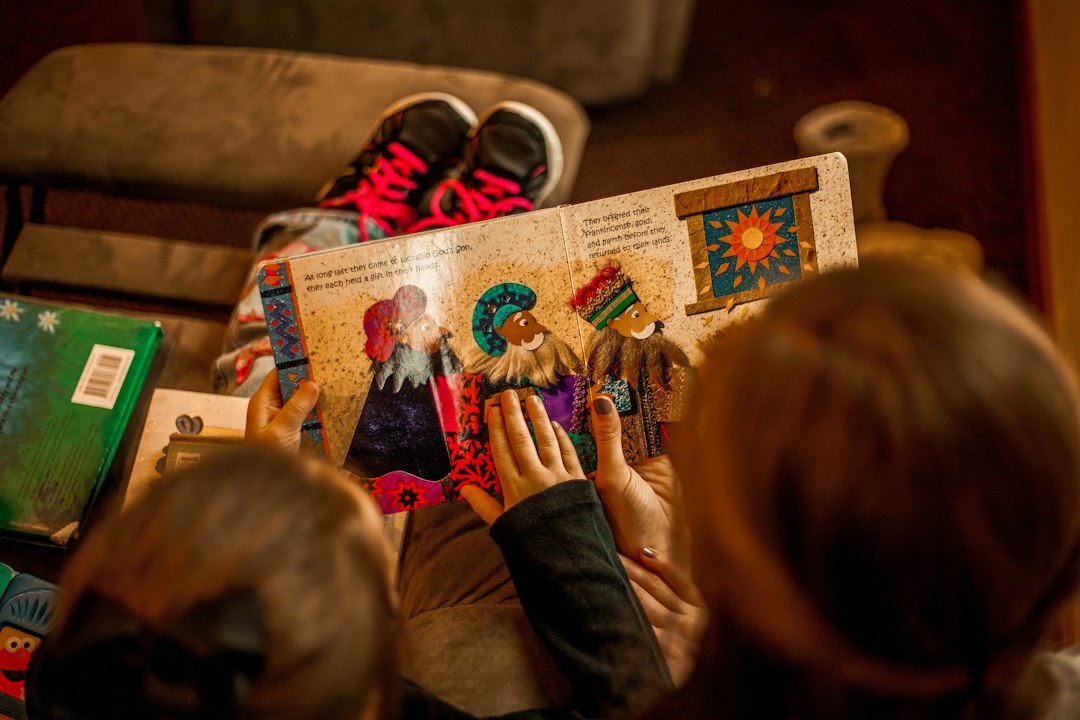
Your eight-year-old finishes a comic in ten minutes, then reaches for your phone instead of the next book. A reading habit does not form in one weekend, but it does form inside twelve organised months, with clear stages for picking books, finding a library, handling resistance and letting your child read alone. This plan breaks the year into stages drawn from how schools and libraries in India actually structure reading goals.
What a reading habit for kids actually requires
A reading habit means a child chooses to open a book without being told twice, not just owns a shelf of unread titles. It needs three things: a fixed time, books that match the child's actual interest, and an adult who reads too, at least sometimes in view of the child.
India's own policy goals show why the early years matter so much. The National Education Policy 2020 identified foundational literacy and numeracy as the highest priority in school education, as more than five crore elementary-level students lacked basic reading and numeracy skills. That gap did not open in one year, and it will not close in one either, which is why a month-by-month plan works better than a single resolution made in January.
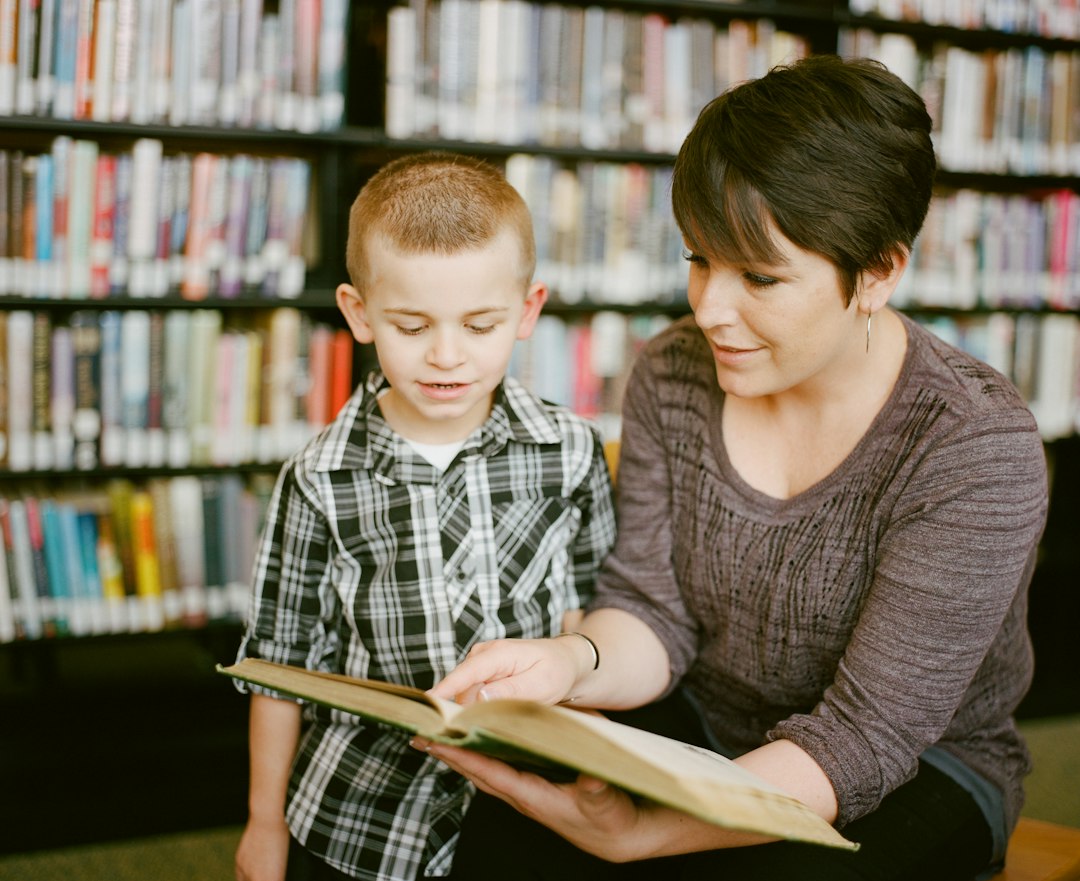
Months 1 to 2: build a 15-minute daily routine
Pick one fixed slot, ideally after dinner or right before lights out, and protect it for fifteen minutes only. Short sessions succeed more often than long ones, because a tired child finishes a short book feeling capable rather than defeated. For the first two months, let the child pick the book every time, even if the same title gets read ten times over.
If buying new books every week feels expensive, start with a free digital option. Pratham Books is a not-for-profit children's book publisher that was set up in 2004 to publish good quality, affordable books in many Indian languages. Its digital platform, StoryWeaver, hosts books in languages from India and beyond, so that every child can have an endless stream of storybooks in her mother tongue, and the books can be read, translated or downloaded for free. This removes the cost barrier completely during the trial months, before you commit to a membership or a shelf of new purchases.
Months 3 to 4: get a library card and widen the choice
By month three, free digital books alone will start to feel repetitive, so add a physical library to the routine. Delhi Public Library charges just ₹100 a year for general members and ₹25 for BPL cardholders, with monthly self-study room access available at ₹200, per DPL's own membership rules. Founded in 1951 with UNESCO's backing, the network now holds around 1.7 million items across its branches.
Children-only libraries often work better for this age group. At Dr BC Roy Children's Reading Room in Daryaganj, any child between five and eighteen can join, with ordinary membership costing INR 150 a year and a refundable deposit of INR 500. National Bal Bhavan runs a similar children's library, with annual membership fixed at Rs. 200 for children aged five to sixteen. Visit on a weekend morning, bring an address proof and let your child choose the card design and the first three books themselves.
Outside Delhi, most municipal library boards run comparable low-cost schemes, so check locally before paying for a private subscription service. You can also look for weekend storytelling circles and book clubs through family activities near you, which often cost less than a single commercial workshop.
Months 5 to 8: handle resistance and compete with screens
Somewhere around month five, most children get bored of the easy wins and either resist the routine or want only screens. Treat this as normal rather than failure, and adjust the format instead of abandoning it. Keep reading aloud to a reluctant reader even after they can decode words alone, since listening comprehension develops faster than independent reading skill at this age.
Audio can support the habit instead of competing with it. On StoryWeaver, books are organised into four reading levels, with read-along titles that include audio on each page, and the full library can be downloaded as a PDF or EPUB with a free account. Use the audio version on a long car ride or a tired evening, then switch back to print once energy returns. This flexibility matters more than any single app, because the real goal is minutes spent inside a story, not a particular format.

Months 9 to 12: join a reading community and read independently
By month nine, aim for the child to read silently for ten minutes without a parent in the room, building on the shared sessions of earlier months. This direction matches a national target. NIPUN Bharat is a national mission launched in July 2021 to ensure foundational literacy and numeracy for all children by Grade 3, after the National Education Policy 2020 found that more than five crore elementary-level students lacked these basic skills. The mission defines foundational literacy as oral language, decoding, reading fluency, comprehension and writing, which is close to what a home reading plan is also building.
Community support speeds this up. Pratham's Read India programme, running since 2007, trains school teachers, anganwadi workers and volunteers to improve reading and basic arithmetic for children aged six to fourteen, and has reached approximately 34 million children to date. Ask your child's school if it runs a similar peer reading group, or start one with two or three neighbourhood families, since children often read longer for a friend than for a parent. Track progress simply: ask your child to read one paragraph aloud each month and note how fluently they manage it, rather than testing comprehension formally.
What to start this week, and what can wait
Start this week with three things that cost nothing. Pick one fifteen-minute slot in the daily schedule and mark it on the kitchen calendar. Create a free account on StoryWeaver and download three books in your child's home language. Ask your local library, whether Delhi Public Library, National Bal Bhavan or a municipal branch nearby, what its children's membership actually costs.
Let the rest wait. A paid subscription box, a dedicated reading corner or a target number of books per month can all come later, once the fifteen-minute habit survives four straight weeks without reminders. Independent silent reading is a month nine goal, not a month one expectation, so do not rush a six-year-old into reading alone simply because an older cousin already does it. The plan works because it respects the order a habit actually forms in, not because every step happens at once.