

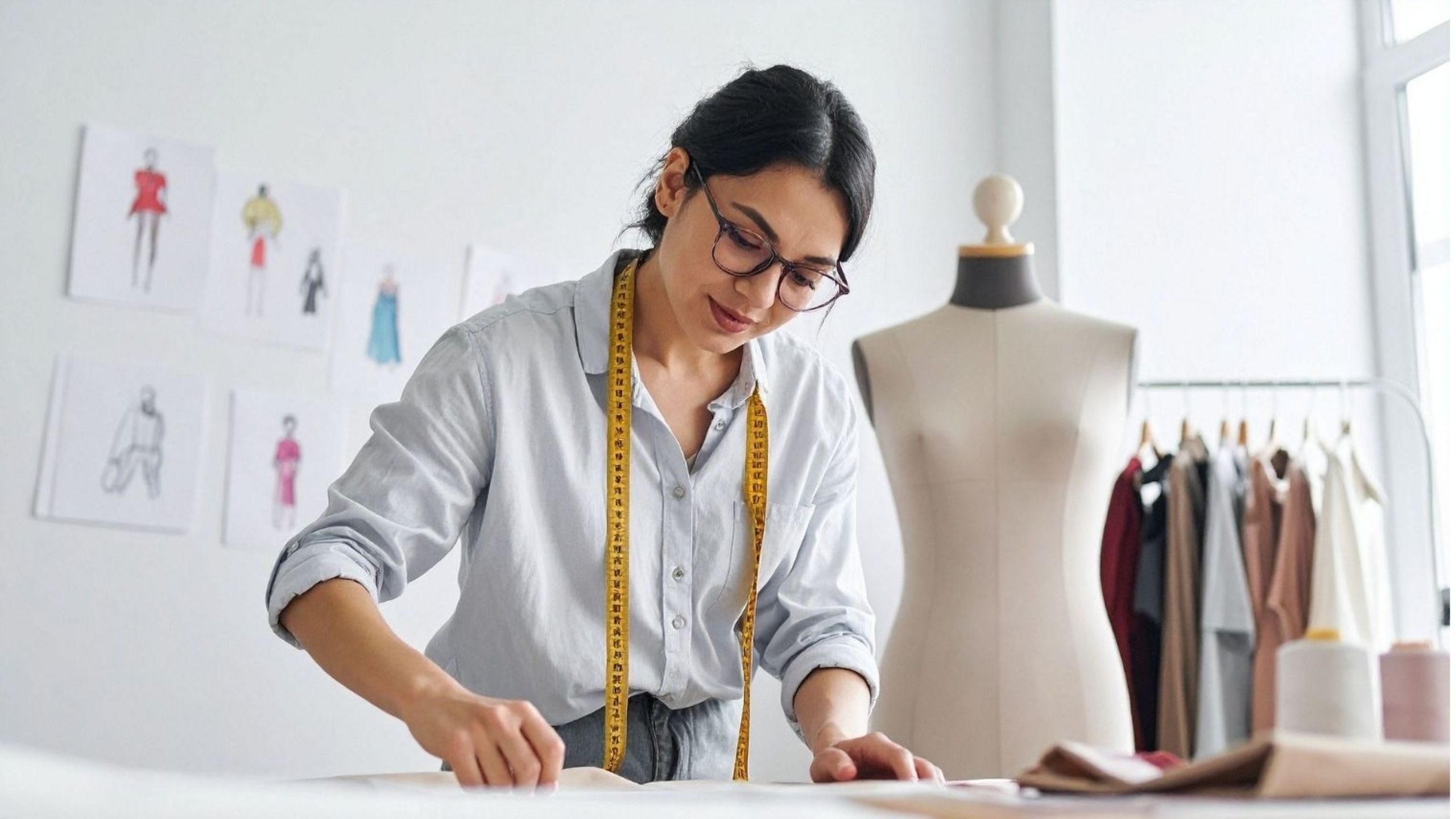
भारत में स्थायी फैशन क्यों बढ़ रहा है?
भारतीय डिजाइनर स्थायी प्रथाओं के साथ फैशन उद्योग में क्रांति ला रहे हैं। नतीजतन, स्प्रिंग फैशन अब हथकरघा वस्त्रों और प्राकृतिक रंगाई तकनीकों पर जोर देता है।
इसके अलावा, युवा उपभोक्ता उत्पादन विधियों और सोर्सिंग के बारे में पारदर्शिता की मांग करते हैं। इसलिए, डिजाइनर पारंपरिक शिल्पों में निवेश करते हैं जो ग्रामीण कारीगर समुदायों का समर्थन करते हैं।
सरकारी पहल देश भर में खादी और हाथ से बुने हुए कपड़ों को बढ़ावा देती हैं। वास्तव में, भारत की वस्त्र विरासत स्थायी फैशन के लिए सही नींव प्रदान करती है।
कौन से पारंपरिक शिल्प स्प्रिंग फैशन को परिभाषित करते हैं?
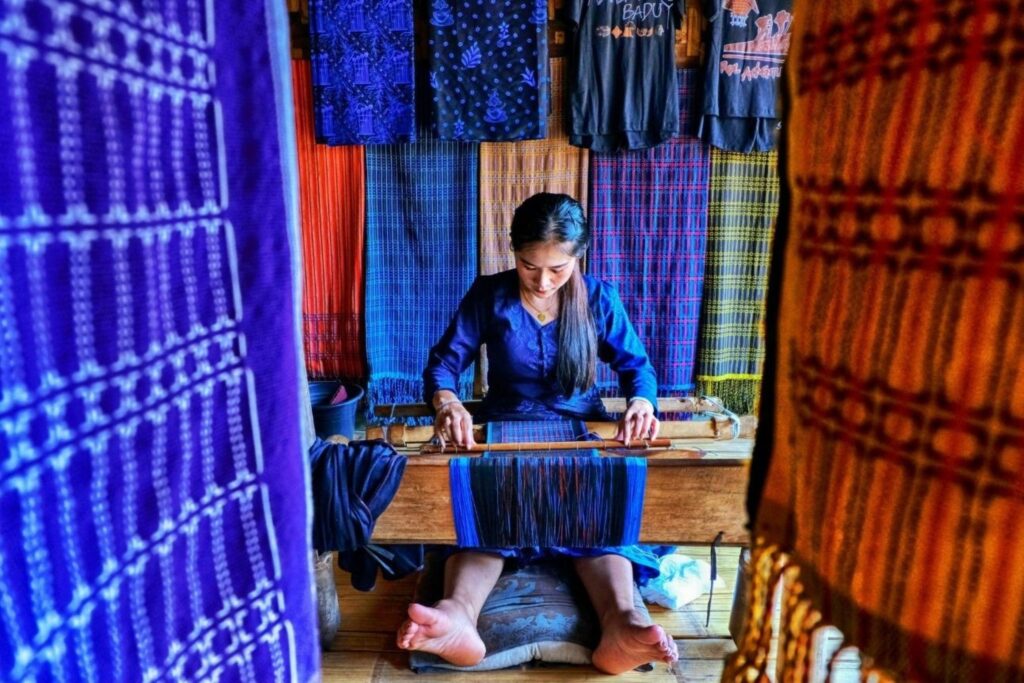
स्थायी डिजाइनर सदियों पुरानी भारतीय वस्त्र तकनीकों को आधुनिक संग्रह में शामिल करते हैं। इसके अतिरिक्त, हथकरघा बुनाई और ब्लॉक प्रिंटिंग इस मौसम में उल्लेखनीय पुनरुत्थान का अनुभव कर रहे हैं।
उदाहरण के लिए, चंदेरी और महेश्वरी बुनकर समकालीन डिजाइनरों के साथ सहयोग करते हैं। इसके अलावा, प्राकृतिक इंडिगो रंगाई स्प्रिंग वार्डरोब के लिए शानदार रंग पैलेट बनाती है।
महाराष्ट्र और गुजरात से जैविक कपास स्थायी कपड़े विकल्पों पर हावी है। इस प्रकार, फैशन प्रेमी आरामदायक वस्त्रों का आनंद लेते हुए स्थानीय किसानों का समर्थन करते हैं।

कौन से भारतीय शहर स्थायी फैशन का नेतृत्व करते हैं?
मुंबई, दिल्ली और बैंगलोर सबसे नवीन स्प्रिंग फैशन डिजाइनरों की मेजबानी करते हैं। जयपुर और कोलकाता पारंपरिक शिल्प कौशल से मजबूत संबंधों के साथ अनुसरण करते हैं।
विशेष रूप से, मुंबई का फैशन वीक सालाना स्थायी संग्रहों की बढ़ती संख्या को प्रदर्शित करता है। इसके अलावा, यह शहर नैतिक भारतीय फैशन की तलाश में अंतरराष्ट्रीय खरीदारों को आकर्षित करता है।






दिल्ली के डिजाइनर विरासत तकनीकों को आधुनिक सौंदर्यशास्त्र के साथ मिलाने में उत्कृष्ट हैं। फिर भी, भारत भर के टियर-2 शहरों में उभरती प्रतिभा दिखाई देती है।
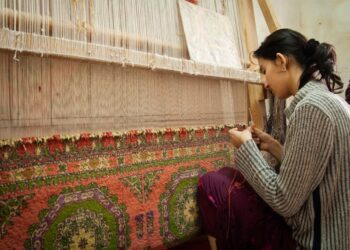
शिल्प निर्यात: हस्तनिर्मित आत्मा को खोए बिना पैमाना
India's craft export sector is worth nearly USD 5 billion and growing fast. Founders across the country are now building...
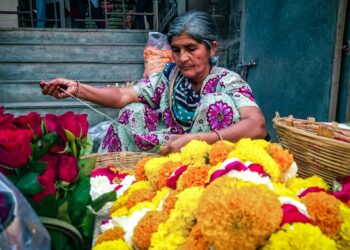
ओणम उत्सव: केरल की फसल कटाई अब वैश्विक हो गई है
Onam festival is no longer just Kerala's harvest celebration. It is a 10-day global ritual of homecoming, plant-based eating, mindful...

केरल रिट्रीट: आयुर्वेदिक कायाकल्प के लिए
Kerala retreats during Onam season offer something rare: the chance to celebrate one of India's most beloved festivals while undergoing...

भारतीय घरों के लिए ज़ीरो-केमिकल क्लीनिंग किट
A zero-chemical cleaning kit does not require a specialty store or a large budget. India's own kitchen shelves hold 5...
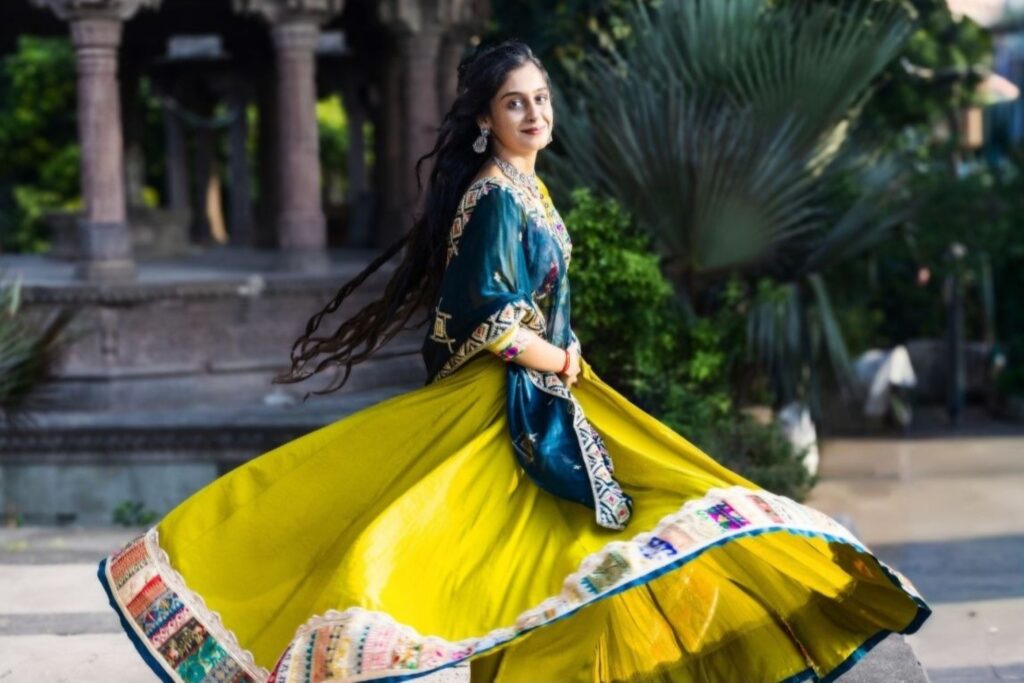
डिज़ाइनर पारंपरिक तकनीकों को कैसे संरक्षित कर रहे हैं?
वसंत फैशन डिज़ाइनर सक्रिय रूप से लुप्तप्राय भारतीय शिल्पों का दस्तावेजीकरण और पुनरुद्धार करते हैं। इसके अलावा, वे आर्थिक चुनौतियों का सामना कर रहे गाँवों में रोजगार के अवसर पैदा करते हैं।
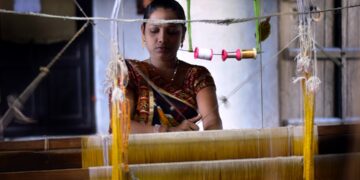
मास्टर बुनकर युवा पीढ़ियों को पारंपरिक हथकरघा तकनीकों में प्रशिक्षित करते हैं। इसके अतिरिक्त, डिज़ाइनर वस्त्र विरासत क्षेत्रों में उत्पादन सुविधाएँ स्थापित करते हैं।
डिजिटल प्लेटफ़ॉर्म ग्रामीण कारीगरों को शहरी और अंतर्राष्ट्रीय बाजारों से जोड़ते हैं। इस प्रकार, पारंपरिक शिल्प टिकाऊ भविष्य के लिए व्यावसायिक व्यवहार्यता प्राप्त करते हैं।
फैशन संस्थानों के साथ सहयोग छात्रों को शिल्प ज्ञान हस्तांतरण सुनिश्चित करता है। इस बीच, डिज़ाइनर विरासत तकनीकों के लिए समकालीन अनुप्रयोगों के साथ प्रयोग करते हैं।










A truly refreshing and insightful exploration of India’s sustainable fashion landscape as we step into Spring 2026. This article brilliantly highlights the paradigm shift where ‘Conscious Luxury’ has moved from the periphery to the very heart of mainstream design. It is inspiring to see Indian designers not only preserving ancestral craft but reinventing it through a modern, eco-centric lens that resonates with a global audience.
Your focus on the ‘Material Revolution’—specifically the integration of hemp, bamboo, and recycled textiles—demonstrates the technical maturity of the industry. In 2026, the Indian designer’s greatest strength lies in their ability to balance high-fashion aesthetics with a ‘Slow Fashion’ philosophy that prioritizes fair wages and a reduced carbon footprint. Furthermore, the rise of ‘Decentralized Craft Networks’ mentioned in the piece is a vital economic move, ensuring that the wealth generated by this $60 billion industry reaches the grassroots artisans who are the true custodians of our textile heritage.
This is a definitive guide for anyone looking to understand how India is setting global benchmarks for ethical production and sustainable innovation. Thank you for showcasing the visionaries who are proving that the future of fashion is not just about what we wear, but the legacy we leave behind. A must-read for fashion strategists and conscious consumers alike!
A highly sophisticated and timely exploration of India’s sustainable fashion trajectory as we move through Spring 2026. This article perfectly captures the paradigm shift from ‘fast-fashion consumption’ to ‘Conscious Luxury,’ where the value of a garment is now measured by its ethical footprint and the preservation of artisanal heritage.
What is particularly impressive in your analysis is the focus on the ‘Material Revolution.’ The way Indian designers are integrating indigenous fibers like hemp, organic cotton, and bamboo into high-end collections demonstrates a level of innovative maturity that is setting new global benchmarks. Furthermore, the emphasis on a ‘Decentralized Craft Economy’—ensuring that the economic benefits reach the grassroots artisans—is a vital move for long-term industry resilience.
In 2026, the success of Indian fashion lies in this unique synergy between ancestral wisdom and futuristic sustainable technologies. Thank you for showcasing these visionaries who are proving that transparency and circularity are the ultimate trends for a modern, globalized market. This is an essential read for anyone looking to understand the intersection of aesthetics, ethics, and economic growth in the new era of fashion.
A highly sophisticated and timely exploration of India’s sustainable fashion trajectory as we move through Spring 2026. This article perfectly captures the paradigm shift from ‘fast-fashion consumption’ to ‘Conscious Luxury,’ where the value of a garment is now measured by its ethical footprint and the preservation of artisanal heritage.
What is particularly impressive in your analysis is the focus on the ‘Material Revolution.’ The way Indian designers are integrating indigenous fibers like hemp, organic cotton, and bamboo into high-end collections demonstrates a level of innovative maturity that is setting new global benchmarks. Furthermore, the emphasis on a ‘Decentralized Craft Economy’—ensuring that the economic benefits reach the grassroots artisans—is a vital move for long-term industry resilience.
In 2026, the success of Indian fashion lies in this unique synergy between ancestral wisdom and futuristic sustainable technologies. Thank you for showcasing these visionaries who are proving that transparency and circularity are the ultimate trends for a modern, globalized market. This is an essential read for anyone looking to understand the intersection of aesthetics, ethics, and economic growth.
Anita Dongre’s Grassroot has always struck me as one of the few labels actually walking the talk rather than just slapping sustainable on the price tag. Working with artisan communities in Gujarat and Rajasthan for years before it was trendy. The 64 percent willing to pay premium for sustainable fashion stat from your piece is encouraging but I’d want to see how that plays out outside the metros.