
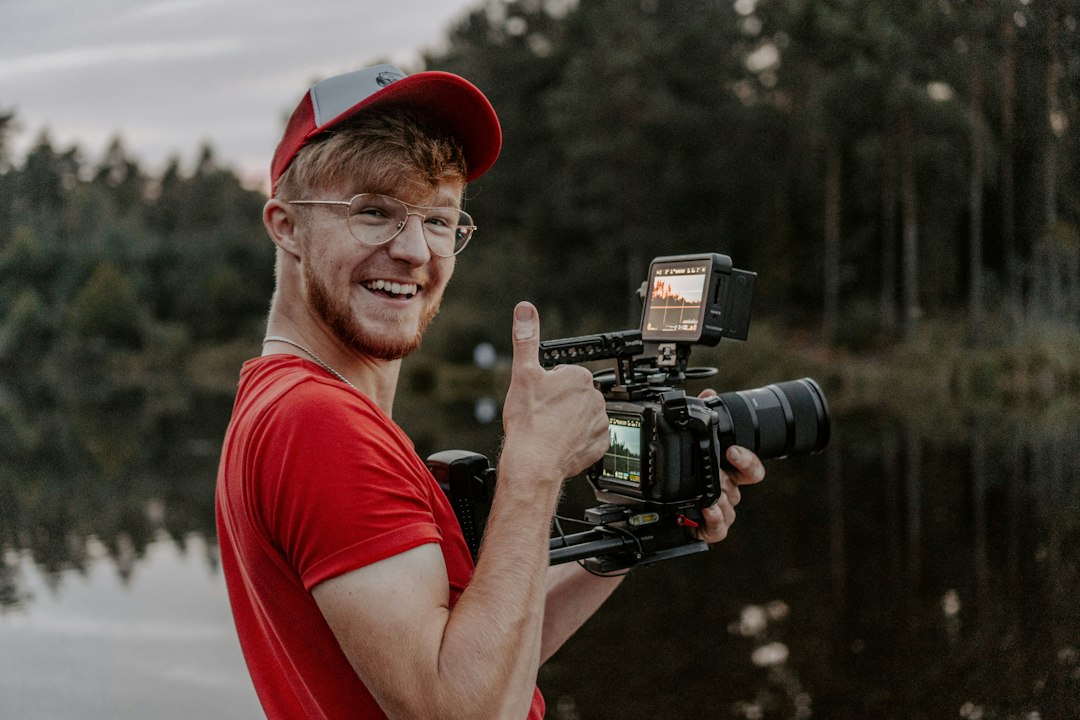
You want to start a weekend photography habit, but the gear aisle at a camera store in Delhi or Bengaluru throws too many bodies, kit lenses and tripod sizes at you at once. A weekend photography habit does not need every accessory on day one. It needs a camera you can carry without hesitation, two or three subjects near your home, and a fixed Saturday or Sunday slot you protect from errands. This guide sets out what to buy first, what to skip, and where to point the lens in your opening weekends.
The picks below favour cameras sold in India with local warranty and service support, and first shoots that need no special access, permit or long travel. Each entry answers a question a first-time buyer actually asks: what it costs, what it suits, and what it will not do for you.
Starter gear and first shoots worth trying
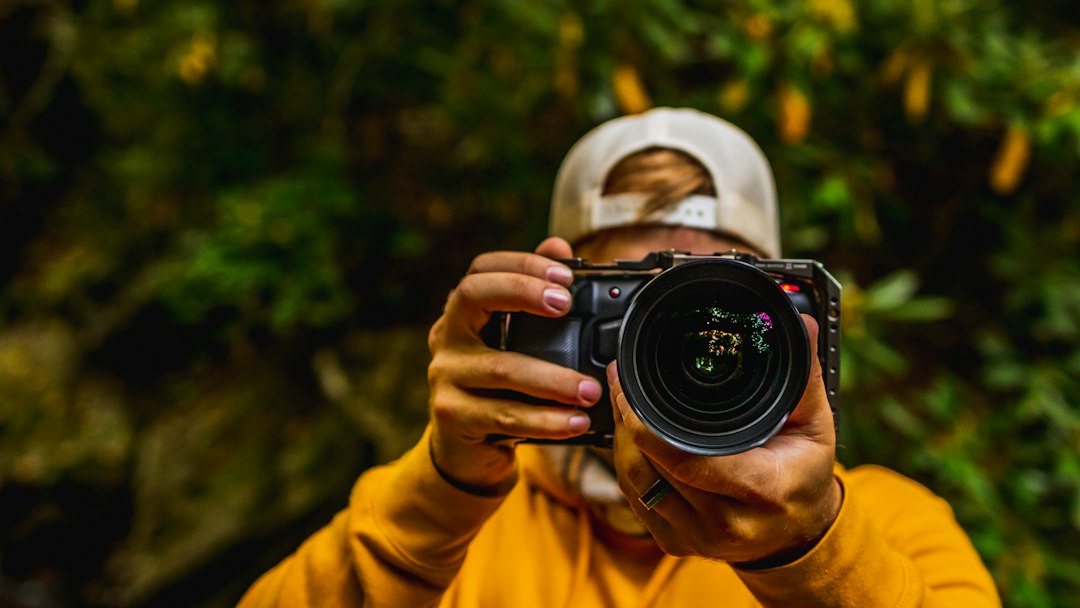
Canon EOS R100: the lightest entry into mirrorless
Canon's smallest and lightest mirrorless camera runs on the RF mount, which the brand is pushing as its future. EF-mount DSLR lenses still work through an adapter that costs roughly ₹12,000, so old glass is not wasted if you upgrade later. In India it sells for around ₹44,990 for a lightweight mirrorless start, though some retailers price the kit closer to ₹55,000. It suits a reader who wants to test the habit before spending heavily.
Nikon D3500: the DSLR that still makes sense
The Nikon D3500 is the best budget camera for beginners at ₹35,490, giving a DSLR body, strong battery life, and a familiar layout without pushing the price too high. A DSLR viewfinder also handles harsh midday sun better than a screen, which matters on an outdoor weekend walk. Choose this over a mirrorless body only if battery anxiety has stopped you from shooting before.
Nikon Z50 II: the camera to grow into
Reviewers frequently recommend this as the most complete, least-compromised mirrorless option under ₹1 lakh in India right now. It sells for roughly ₹80,000 to ₹95,000 with the 16-50mm kit lens, aimed at beginners who want one camera to grow into multiple genres. It costs more than the two options above, so treat it as a second camera purchase once you know portraits, street scenes, or travel interest you most.
Sunday market walk: your first recurring shoot
Pick one weekly market near home (a flower mandi, a fish market, or a weekend flea market) and shoot the same stall-holders over four Sundays. Arrive within the first hour of opening, when stock is still being arranged and light is soft. Ask one vendor for permission before close portraits; most agree once they see you are not filming for commercial use. Repetition teaches you exposure and framing faster than chasing a new location every week.
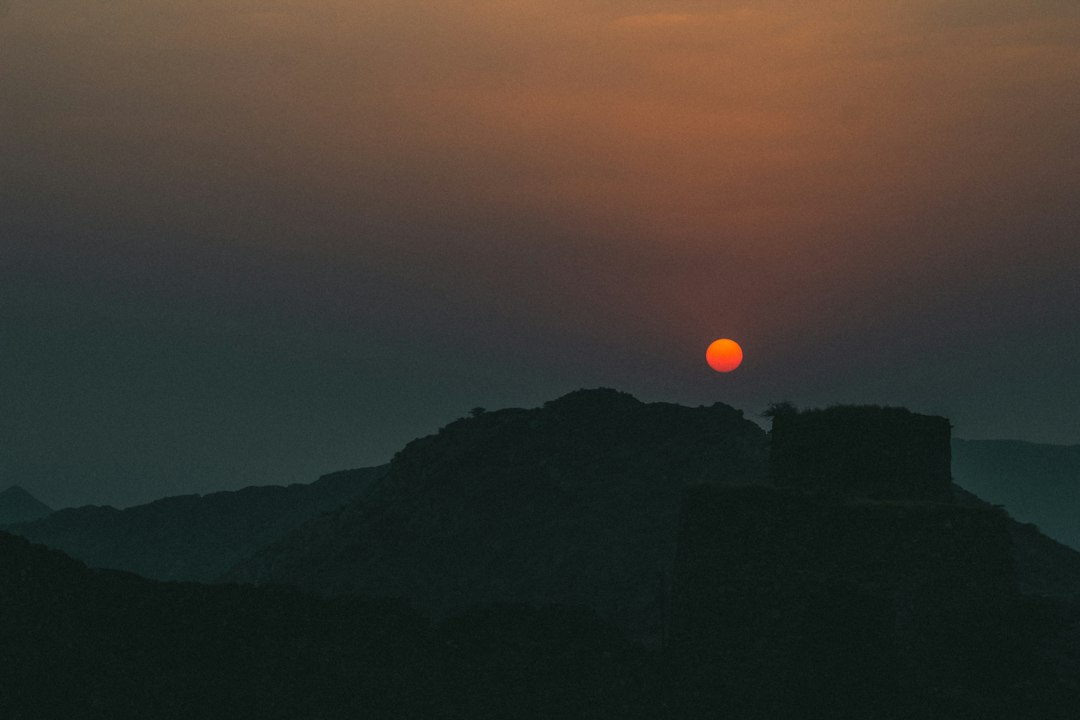
Heritage monument session: sunrise at a fort or stepwell
Cities across India sit near a fort, stepwell, or old gate that opens early and empties by mid-morning. Many ASI-protected monuments require advance written permission for tripods and bulky professional gear, so check the site's rules before you carry a tripod in. Arriving 30 to 40 minutes before sunrise gives you flat, low-contrast light that is far easier to expose correctly than noon sun. Treat the first visit as a scouting trip and the second as the real shoot.
Neighbourhood portrait walk: practising with people
Shoot five portraits of people you already know, such as a shopkeeper, a building guard, or a relative, before you approach strangers. Natural light from an open doorway or a shaded balcony avoids the need for flash entirely. Ask each subject where they want to stand; people relax faster when they choose the spot. This builds the comfort you will need before street portraits with strangers later.
How to choose between them
Weigh battery life against weight before anything else: a DSLR like the D3500 shoots far longer on one charge, while a mirrorless body like the R100 is lighter to carry on a three-hour walk. Weigh price against upgrade room next: the R100 is the cheaper entry, but the Z50 II gives you features you will not outgrow within a year. Buying channel matters too. An authorised dealer with official warranty costs more than a grey-market unit, but grey-market stock at a lower price can mean repair costs near ₹32,000 if something fails, which makes the warranty worth paying for. Start with one body, one kit lens, and a spare battery; add a tripod or a second lens only after you have shot six full weekends.