
CONTACT
  • Login
  • Register
Upgrade
INDIAwebzine
Advertisement
  • Home
    • Our Authors
    • Media Kit
    • Contact
    • Cookie Policy
    • Terms and Conditions
  • News
  • Business
  • Lifestyle
    • Gastronomy
    • Sustainable living
    • Well-being
  • Culture
  • Sports
  • Travel
  • Global India
  • Insights
  • Local Guide
    • Activities in India
    • Hotels in India
    • Nightlife in India
    • Restaurants in India
    • Services in India
    • Shopping in India
  • Home
    • Our Authors
    • Media Kit
    • Contact
    • Cookie Policy
    • Terms and Conditions
  • News
  • Business
  • Lifestyle
    • Gastronomy
    • Sustainable living
    • Well-being
  • Culture
  • Sports
  • Travel
  • Global India
  • Insights
  • Local Guide
    • Activities in India
    • Hotels in India
    • Nightlife in India
    • Restaurants in India
    • Services in India
    • Shopping in India
No Result
View All Result
INDIAwebzine
No Result
View All Result
Home Luxury Lifestyle Sustainable living

Handloom inventory prep for festive season

Inside the post-monsoon rhythm that keeps India's weaving collectives ready for Navratri, Diwali, and beyond.

0
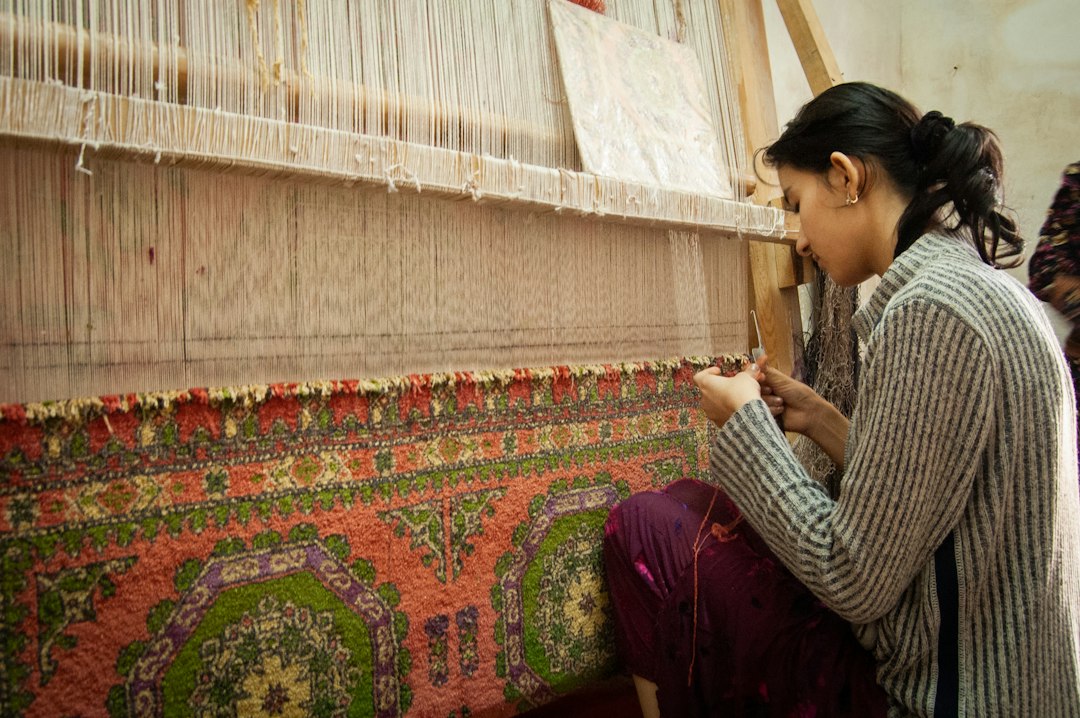
A weaver at her loom building handloom inventory ahead of the festive season in a traditional Indian weaving village.

Handloom inventory is the quiet force that powers India’s festive season, and right now, across hundreds of weaving villages, that engine is running at full speed.

How the monsoon shapes the weaving calendar

The Indian monsoon does more than water the fields. It sets the production clock for the entire handloom sector. When the rains recede in late September, artisan collectives enter their most focused window of the year. Weavers know that Navratri, Dussehra, and Diwali arrive fast, and the time to act is now.

Navratri and Dussehra create an early demand peak, while Dhanteras and Diwali generate another sharp surge. For retailers and producers, this makes inventory timing particularly important. Handloom pieces take far longer to produce than factory garments. A weaver cannot simply press a button when orders spike. The work must start weeks, sometimes months, before the buyer ever opens a festive shopping app.

Your Local Guide to India Your Local Guide to India Your Local Guide to India

Industry observers note that the shift is particularly important for textile manufacturers and wholesalers, where production, finishing, dispatch, and transportation can add several weeks to the supply cycle. For artisan collectives working without large capital buffers, the post-monsoon window is not optional. It is a lifeline.

The scale of the sector behind the saree

Many buyers never think about the scale of human effort behind a single handloom saree. The handloom sector is a vibrant representation of India’s diverse cultural heritage and employs around 3.5 million people. That number includes weavers, dyers, warpers, and the cooperative staff who link village looms to city boutiques and global e-commerce platforms.

The sector employs around 2.5 million female weavers, which forms almost 75 percent of the total workforce. Women in rural areas often rely on their weaving skills as a source of livelihood and empowerment. When a buyer chooses a handloom kurta for Diwali, she is not simply buying fabric. She is supporting a network of skilled women who have spent the post-monsoon weeks building that stock with care.

Seasonal demand increases during more than 30 major festivals annually, including Diwali, Durga Puja, Pongal, Navratri, and Onam. Collectives that prepare early capture this demand. Those that do not are left with unsold stock or missed orders.

How collectives build handloom inventory before festivals

The preparation process is both physical and strategic. Weavers in clusters across Varanasi, Sambalpur, Chanderi, and Kancheepuram begin selecting yarn, preparing warps, and coordinating color palettes as soon as the monsoon moisture leaves the air. The loom room becomes a planning room.

The transformation of clusters like Badturang village in Odisha’s Sambalpur district shows the impact of cluster-level support. The growing popularity of Siddipet Gollabhama sarees reflects how design and market access can create fresh demand. These cases share a common pattern: traditional crafts thrive when design, market access, and institutional support come together.

Government support helps collectives manage the cost of this preparation period. Government backing amplifies this momentum through schemes like the National Handloom Development Programme for holistic growth, the Raw Material Supply Scheme ensuring affordable quality yarns, and MUDRA loans at subsidized rates. Access to affordable raw materials in September means a collective can build handloom inventory without taking on debt that exceeds its festive revenue.

Greater integration with e-commerce platforms and expanding export opportunities have enabled many artisan clusters to reach consumers who were previously inaccessible. Social media adds another layer. Platforms on social media empower artisans as influencers, sharing videos of loom operations or ikat dyeing processes. This visibility builds pre-festive demand before a single saree leaves the village.
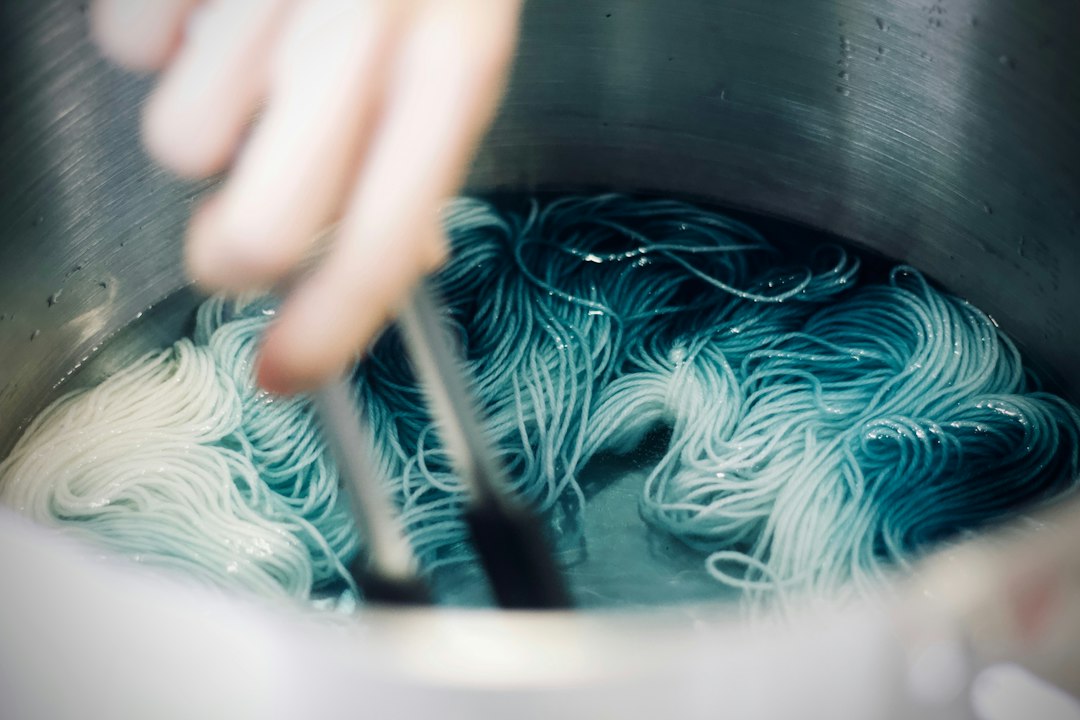
Women artisans in a collective preparing natural dye batches to expand handloom inventory for Navratri and Diwali demand.

Expert perspective on sustainable festive production

The critical task for artisan collectives today is not just producing more. It is producing with intention, in the right quantities, at the right time, with the right market connections. When a collective builds its handloom inventory through the post-monsoon window, it is practicing a form of sustainable supply chain management that factory production simply cannot replicate. The seasonal rhythm of Indian weaving is a feature, not a limitation. Collectives that align with government raw material schemes, use digital pre-booking systems, and connect with ethical retailers before Navratri are consistently the ones that maintain fair wages, reduce waste, and carry their craft forward. The festive season is a test of preparation, and preparation is a year-round discipline.

Industry perspective, sustainable textiles and artisan enterprise professionals in India

Why buyers are choosing handloom for festivals

Something has shifted in the way urban India shops for festivals. Fast fashion once dominated Diwali collections. Today, a growing number of buyers want a garment with a story, a provenance, and a conscience. In an era dominated by fast fashion, handwoven textiles are experiencing a remarkable renaissance, captivating global audiences with their sustainability and authenticity.


-

Homeowner inspecting a rooftop solar panel installation on an Indian house

Rooftop solar in India: a buyer’s checklist

06/10/2026
A woman draping a handloom saree at home as part of her festive reset before the celebration season in India

Festive reset: home and wardrobe in India

18/09/2026
A woman in an Indian kitchen assembling a zero-chemical cleaning kit with lemon, baking soda, and vinegar on the counter

Zero-chemical cleaning kit for Indian homes

05/09/2026
An Indian woman writing a meal plan at her kitchen table, working to reduce food waste before the festive season begins.

Food waste tips for India’s festive season

27/08/2026
A skilled woman artisan weaving handwoven silk sarees on a traditional loom in India

Silk sarees: India’s 5 great weaving traditions

19/08/2026
A woman wearing a breathable handloom kurta at an Indian festive gathering, showcasing festive fashion.

Festive fashion tips for humid August days

18/08/2026

Handloom products are eco-friendly, made from organic materials, and involve minimal use of power, making them a sustainable choice. For a buyer who cares about her environmental footprint, choosing a handloom dupatta over a synthetic one is a direct act of sustainable living. She gets beauty, tradition, and ethics in a single purchase.

Festive purchasing exceeds 70 percent during seasonal periods, and Tier 2 and Tier 3 cities contribute around 55 percent of expanding ethnic wear demand. This means collectives do not need to target only metropolitan buyers. The market for handloom festive wear is wide, deep, and growing in every direction.


A woman selecting a handloom inventory piece at a festive market, choosing sustainable Indian craft over fast fashion.

The future of handloom inventory and festive culture

India’s handloom collectives are not waiting for the market to come to them. They are building handloom inventory with greater precision, greater digital visibility, and a stronger connection to the buyer’s values. Through initiatives like Tata Trusts’ Antaran programme, the goal is to bridge the gap between heritage craftsmanship and contemporary consumer needs, supporting traditional weavers across lesser-known clusters in Assam, Nagaland, Odisha, and Andhra Pradesh to evolve into artisanal entrepreneurs.

India produces 95 percent of the planet’s handwoven fabrics and drives exports globally. That fact alone should make every festive buyer pause. The country you live in is the world’s weaving capital, and the post-monsoon season is when that capital earns its reputation.

This festive season, choose handloom inventory built by real hands in real villages. You will wear the culture, support the community, and carry the tradition forward. Every thread counts.


Discover more about handloom inventory

  • Office of the Development Commissioner for Handlooms, Ministry of Textiles, Government of India
  • Indian Ethnic Wear Market Size, Growth and Forecast Report
  • Late Diwali forces earlier festive inventory planning for India’s apparel sector
Previous Post

Ubtan: India’s original skin-brightening ritual

Next Post

Rooftop solar in India: a buyer’s checklist

Related Posts

Homeowner inspecting a rooftop solar panel installation on an Indian house
Sustainable living

Rooftop solar in India: a buyer’s checklist

06/10/2026
A woman draping a handloom saree at home as part of her festive reset before the celebration season in India
Sustainable living

Festive reset: home and wardrobe in India

18/09/2026
A woman in an Indian kitchen assembling a zero-chemical cleaning kit with lemon, baking soda, and vinegar on the counter
Sustainable living

Zero-chemical cleaning kit for Indian homes

05/09/2026
An Indian woman writing a meal plan at her kitchen table, working to reduce food waste before the festive season begins.
Sustainable living

Food waste tips for India’s festive season

27/08/2026
A skilled woman artisan weaving handwoven silk sarees on a traditional loom in India
Sustainable living

Silk sarees: India’s 5 great weaving traditions

19/08/2026
Next Post
Homeowner inspecting a rooftop solar panel installation on an Indian house

Rooftop solar in India: a buyer's checklist

Leave a Reply Cancel reply

Your email address will not be published. Required fields are marked *

Truelang AI WordPress Translation Plugin Truelang AI WordPress Translation Plugin Truelang AI WordPress Translation Plugin
No Result
View All Result

Our Focus

INDIAwebzine is your international window on India: sustainable lifestyle, business, culture, sports and events for a global audience drawn to the subcontinent's vibrant and diverse scene.

Our Readers

INDIAwebzine addresses readers who engage with India at a high level: professionally, financially, strategically, and as decision-makers in their fields.

Our Approach

Lifestyle, travel, and culture are integrated as context and indicators of economic dynamism, purchasing power, and soft power — not standalone entertainment.

Recent Posts

  • Repo rate decision: what borrowers should do
  • Rooftop solar in India: a buyer’s checklist

© 2025 INDIAwebzine by NOOR & NOOR.

Welcome Back!

Login to your account below

Forgotten Password? Sign Up

Create New Account!

Fill the forms bellow to register

All fields are required. Log In

Retrieve your password

Please enter your username or email address to reset your password.

Log In
Manage Consent
To provide the best experiences, we use technologies like cookies to store and/or access device information. Consenting to these technologies will allow us to process data such as browsing behavior or unique IDs on this site. Not consenting or withdrawing consent, may adversely affect certain features and functions.
Functional Always active
The technical storage or access is strictly necessary for the legitimate purpose of enabling the use of a specific service explicitly requested by the subscriber or user, or for the sole purpose of carrying out the transmission of a communication over an electronic communications network.
Preferences
The technical storage or access is necessary for the legitimate purpose of storing preferences that are not requested by the subscriber or user.
Statistics
The technical storage or access that is used exclusively for statistical purposes. The technical storage or access that is used exclusively for anonymous statistical purposes. Without a subpoena, voluntary compliance on the part of your Internet Service Provider, or additional records from a third party, information stored or retrieved for this purpose alone cannot usually be used to identify you.
Marketing
The technical storage or access is required to create user profiles to send advertising, or to track the user on a website or across several websites for similar marketing purposes.
  • Manage options
  • Manage services
  • Manage {vendor_count} vendors
  • Read more about these purposes
View preferences
  • {title}
  • {title}
  • {title}
No Result
View All Result
  • Home
    • Our Authors
    • Media Kit
    • Contact
    • Cookie Policy
    • Terms and Conditions
  • News
  • Business
  • Lifestyle
    • Gastronomy
    • Sustainable living
    • Well-being
  • Culture
  • Sports
  • Travel
  • Global India
  • Insights
  • Local Guide
    • Activities in India
    • Hotels in India
    • Nightlife in India
    • Restaurants in India
    • Services in India
    • Shopping in India

© 2025 INDIAwebzine by NOOR & NOOR.

Verified by MonsterInsights
enEnglishhiहिन्दी