
Ubtan is India’s original skin-brightening ritual, and it has never left the building: it just waited for the world to catch up.
What ubtan actually is
The word ubtan comes from the Sanskrit term “Udvartana,” which means to cleanse and beautify the skin. It is a herbal blend of grains, pulses, flowers, and spices used as a natural cleanser and exfoliant. The formulation has varied across regions and families for centuries. So there is no single correct recipe, and that freedom is exactly what makes it special.
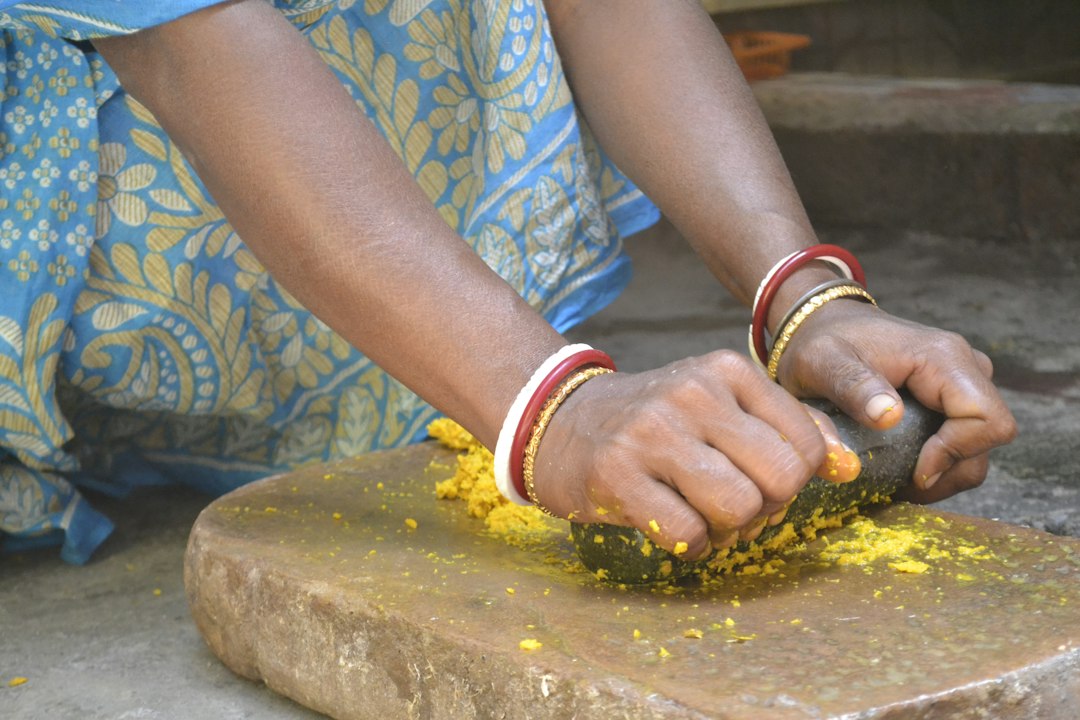
In Maharashtra, ubtan is called “Utane.” In Tamil Nadu, it is called “Kuliyal podi,” which means bathing powder. Every state, and almost every grandmother, has her own version. Many homes in India still keep their own gram-turmeric mixture, and it remains a bathing essential that exfoliates the skin and keeps it soft and glowing.

Beyond its role as a beauty treatment, ubtan holds deep cultural importance. It is a symbol of purification, not just for the body but for the mind and soul. The ritual of applying ubtan connects people with nature and tradition, reflecting India’s deep respect for natural beauty and holistic well-being.
The cultural roots of ubtan
Ubtan is used during Indian wedding ceremonies. It is a tradition to apply ubtan on the bride and groom’s skin during the Haldi ceremony. Ayurvedic massage with ubtan is one of the vital steps of the ritual of Solah Shringar, the sixteen ways of beautifying the body during marriage. This is not just beauty. This is ceremony, memory, and family all mixed into one golden paste.
The application of ubtan is an age-old beautification ritual for the skin, practiced when people did not rely on ready-made cosmetic products. According to Ayurvedic rituals that are 6,000 years old, ubtans were traditionally prepared with a coarsely ground legume as the base.

Today, the ritual travels far beyond weddings. From bridal ceremonies to festive mornings, ubtan has always been a symbol of radiance and self-care. Young Indians are bringing it back into their daily routines, and they are right to do so.
Key ingredients and what they do
Ubtan is a traditional Indian face and body paste made from a combination of plant-based powders, typically including turmeric, gram flour (besan), barley, sandalwood, and sometimes dried rose petals or saffron. Each ingredient earns its place.
Curcumin, the active compound in turmeric, has been studied for its anti-inflammatory and antioxidant properties. Research published in dermatology journals has found that curcumin inhibits melanin synthesis, which directly addresses hyperpigmentation and uneven skin tone. Gram flour is a gentle physical exfoliant. Its mildly coarse texture removes dead skin cells without the aggressive action of harsh scrubs. It also absorbs excess oil, which makes it effective for combination and oily skin types.
Ingredients like rose petals and curd help retain moisture, keeping the skin supple and preventing dryness. Barley contains beta-glucan, a compound known for its ability to soothe irritated skin and support the skin barrier. It also has mild brightening properties when applied to the skin. Together, these ingredients work through 3 actions at once.
Traditional ubtan works through 3 simultaneous mechanisms: mechanical exfoliation from grain or pulse powders, chemical brightening from herbs and spices, and deep nourishment from oils and dairy components.
Expert perspective on ubtan in modern skincare
Ubtans are perhaps Ayurveda’s original multitaskers, and that is what makes them so relevant today. They function as a cleanser, a gentle exfoliator, and a conditioning mask, all at the same time. Because they are dry, anhydrous formulations prepared without water, they do not typically require preservatives, which allows the botanical blend to remain true to its traditional form. You can use them daily for cleansing or once or twice a week as an exfoliating ritual, depending on individual skin needs. Modern masks and chemical exfoliants are not competing with ubtan. They are complementary approaches. Each has its place, and a thoughtful routine can include both.
Industry perspective, Ayurvedic skincare and formulation professionals
How to make ubtan at home
Making ubtan at home takes less than 5 minutes. You need ingredients that are already in your kitchen. Here is a simple, effective recipe for all skin types.
You need:
- 2 tablespoons gram flour (besan)
- 1 teaspoon turmeric powder
- 1 teaspoon sandalwood powder
- 1 teaspoon rose water
- Enough raw milk or plain water to form a paste
Gather these essential components and combine them in a bowl. Add rose water and mix well to create a smooth paste. Apply the ubtan on your face and body, gently massaging in circular motions. Leave it on for 10 to 15 minutes, or until it dries partially. Rinse off with cold water and pat dry.

As per Ayurveda, you should tailor the ubtan according to your dosha or the specifically imbalanced dosha you are experiencing. A Vata dosha ubtan warms and moisturizes the skin. A Pitta ubtan should be used as a cool paste that cools the skin and removes heat toxins. You can adjust the liquid (warm milk, cold rose water, plain water) to suit your skin’s needs on any given day.
Ubtan is entirely plant-based and works through gentle enzymatic and antioxidant mechanisms, so it carries no sensitivity risk. It can be used daily without the concerns that limit the use of chemical brighteners.

Ubtan and the future of Indian beauty
India’s Ayurvedic beauty products market was valued at USD 3.2 billion in 2025 and is expected to grow to USD 8.5 billion by 2032. Ubtan sits at the center of this growth. The demand for chemical-free, preservative-free cleansing solutions is rising sharply. Modern versions of traditional ubtan in powder-to-foam formats are capturing the conscious consumer segment.
Ubtan-based face washes and formulations are among the most accessible entry points for first-time buyers of Ayurvedic skincare, given their lower price points and high purchase frequency. This is not just a trend. It is a return to something India always knew.



Consumers are moving beyond basic herbal ingredients toward specific traditional processes and rituals. Ubtan represents exactly that: a complete ritual, not just a product.
Ubtan belongs in your routine
Ubtan is India’s most honest skin-brightening ritual. It costs very little, uses ingredients from your kitchen, and delivers results that centuries of use have confirmed. Ubtan does not promise overnight miracles. It promises consistent, gentle, real improvement. Add it to your weekly routine and feel what Indian women and men have felt for generations: clean, bright, genuinely cared-for skin. Start with 2 times a week, notice the difference, and let ubtan become a permanent part of how you look after yourself. India gave the world this ritual. It is time we use it with pride.