
Onam festival arrives in 2026 as a 10-day reminder that ancient Kerala knew something about wellness, belonging, and the art of coming home long before these words became trends.
The story behind the flowers and the feast
At its heart, Onam celebrates the annual homecoming of the mythical King Mahabali, a beloved ruler whose reign is remembered as a golden age of prosperity, equality, and justice in Kerala. That story carries real emotional weight. Every gesture of the festival, from the first flower placed on the ground to the final serving of payasam, connects to that feeling of a just and abundant world.
The festival also celebrates the harvest season, expressing gratitude for nature’s abundance and a successful agricultural year. This connection to the earth is not symbolic. It is practical. Kerala’s farmers, backwater communities, and home cooks all participate in the same rhythm of preparation and gratitude.
Onam is observed across all communities in Kerala, including Hindu, Christian, and Muslim families, making it one of India’s great cultural unifiers. That unity is rare and worth celebrating. A festival that belongs to everyone, regardless of faith, is a statement about the kind of society Kerala chose to build.
What a 10-day festival teaches about wellness
The festival starts with Atham (Day 1), when homes are cleaned and decorated with Pookalam. Anizham (Day 5) is famous for the Vallamkali, the snake boat race. Uthradam (Day 9) is full of temple visits and cultural events. On the main day, Thiruvonam (Day 10), people wear new clothes, prepare a large feast called Onasadya, and celebrate with love and unity.
Read that 10-day structure again. It is essentially a guided wellness programme: physical activity, community gathering, creative decoration, mindful eating, and gratitude practice. Modern wellness retreats charge large amounts of money for exactly this combination.

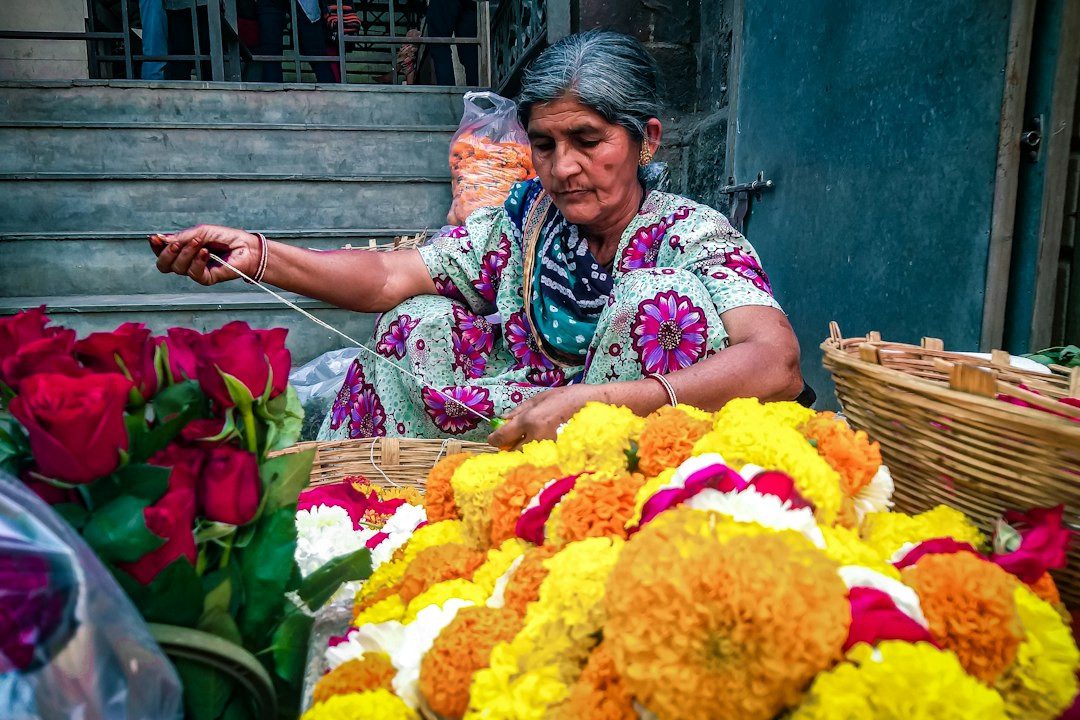
Pookalam, the floral carpet placed at the entrance of a home, is the first image that comes to mind during Onam. The traditional Ona-pookkalam consists of 10 rings to symbolize the 10-day rituals of the festival. Creating a pookalam each morning is a form of active mindfulness. You choose flowers with care. You work together as a family. You create something beautiful and then release it at the end of the festival.
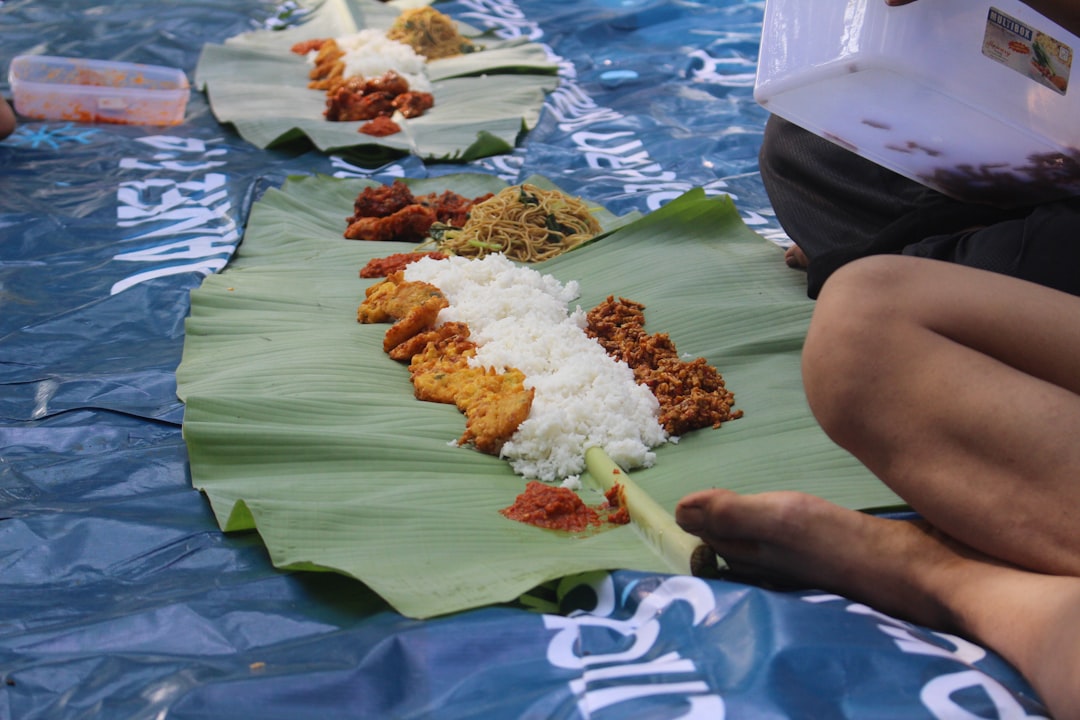
Eating together, seated on the floor, is part of the tradition, a reflection of Mahabali’s egalitarian reign, where everyone was equal at the table. This simple act of sitting on the floor and sharing a meal connects the body and the community in a way that a restaurant table cannot.
The sadya: a plant-based feast centuries ahead of its time
The famous Onasadya is a grand feast served on banana leaves and features elaborate flower-carpet designs, the famous snake-boat races, and anywhere from 9 to 26 dishes depending on the region and the household. Every dish on the leaf arrives in a specific order, and every combination serves a purpose. Digestion, balance, and seasonal nutrition are built into the meal.
Food is central to the Onam experience. Onam Sadya is a vegetarian feast traditionally served on a banana leaf, with several dishes arranged in a carefully structured meal. Nutritionists today talk about diversity of plant foods, fermented ingredients, and eating without distraction. The sadya delivers all 3 in one sitting.
The banana leaf is not just a plate. It adds nutrients, keeps food cool, and requires no washing. It is one of the most sustainable serving tools in the world. Kerala understood zero-waste eating long before it became a movement.
Expert perspective on Onam’s global cultural reach
Onam is no longer a Kerala-only event. When you see Malayali communities in the Gulf, North America, and the United Kingdom organizing full 10-day celebrations with pookalam competitions, sadya lunches, and Kathakali performances, you understand that this festival carries something very deep. People do not just celebrate Onam out of habit. They celebrate it because it gives them an identity anchor in places far from home. The wellness value is real: these gatherings reduce isolation, create intergenerational connection, and give second-generation diaspora children a cultural story to hold on to. Onam is, in this sense, one of the most socially healthy festivals in the world.
Industry perspective, cultural heritage and diaspora community professionals
How the diaspora keeps Onam alive across continents
In the Gulf states, the United States, and the United Kingdom, large Malayali populations organize Onam melas with feasts, dance, and games, keeping the festival firmly on the calendar abroad. These are not small gatherings. They are full cultural productions, organized by community associations that spend months preparing.
Celebrations are notably active among the Malayali diaspora in the UAE, the USA, and Singapore. In many of these cities, Onam has become a moment that non-Malayali friends and colleagues also attend. People of different nationalities join the Malayali community to celebrate Thiruvonam, the most important day of the 10-day harvest festival, with the elaborate vegetarian feast served on banana leaves.






In Dubai, events like Onnichonnam have transformed the festival from a regional tradition into a global cultural gathering, with guests and delegates from over 40 nationalities coming together to mark the occasion. This is the power of Onam. It invites people in, rather than keeping them outside.
Malayali associations in Mumbai, Bengaluru, Delhi, and Chennai also host community sadya lunches, pookalam contests, and cultural evenings for those away from Kerala within India. Even inside India, Onam is a homecoming that travels to wherever Malayalis live and work.

Onam festival and the modern Indian moment
Onam festival is not a relic. It is a living, breathing celebration that keeps finding new expressions without losing its core. Kerala Tourism is actively encouraging foreign visitors to participate in traditional experiences during the 2026 Onam Tourism Week. The world is watching, and Kerala is ready to welcome.
The festival is a cultural treat for visitors who get a first-hand experience of Kerala’s distinct classical, folk, and art traditions. More than 3,000 artists take part in events across 35 venues in Thiruvananthapuram district alone. That scale of cultural production, rooted in a harvest festival, is extraordinary.
Onam festival reminds us that India’s oldest traditions already contain what modern life is looking for: community, mindful eating, creative ritual, and the act of coming home. Celebrate Onam this year with full presence, whether you are in Kochi, Kuwait City, or Calgary. Share your pookalam, sit on the floor, and eat the sadya with your hands. That is wellness. That is belonging. That is Onam festival.
Discover more about Onam festival
- Kerala Tourism: Official Guide to Onam and Kerala’s Cultural Festivals
- Onam 2026: Everything You Need to Know About Kerala’s Harvest Festival (Remitly)
- A&A Associate Brings Onam Spirit to Dubai: Over 40 Nationalities Celebrate Together (Gulf News)