
Monsoon training in India is a test that every serious athlete faces, and the ones who solve it fastest are the ones who reach the top.
Why the monsoon stops outdoor tracks cold
Every June, the rains arrive. In cities like Mumbai, Pune, and Hyderabad, the streets fill within hours. India’s monsoon delivers a demanding combination of torrential rains, oppressive humidity, and tricky surfaces, from slick city streets in Pune to waterlogged paths around Hyderabad. For athletes who train on outdoor tracks, that is a serious problem.

The monsoon creates 3 distinct stress conditions for an athletic track surface. The first is surface-level biological growth. Algae and moss colonise synthetic track surfaces faster than almost any other outdoor sport surface, because of the track’s texture and the warm, humid conditions that Indian monsoons create. This is not a cosmetic issue.
A light algae film on a rubber track surface reduces the coefficient of friction significantly, which on a running surface where athletes push laterally at speed creates genuine injury risk. Coaches who understand this do not wait. They move their athletes inside before the first heavy rain falls.
How indoor facilities fill the gap
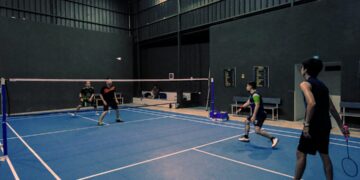
One of the biggest benefits of indoor sport is that weather does not stop play. Athletes can train and compete even during heavy monsoon rains. Across India, this practical advantage has driven a steady growth in quality indoor facilities.
In unpredictable weather conditions affecting outdoor sports, indoor sports are becoming more popular. In urban centers, modern multi-sport indoor complexes are being developed to accommodate badminton, basketball, futsal, and volleyball. For track athletes without access to a covered 200-meter loop, these spaces become conditioning rooms.
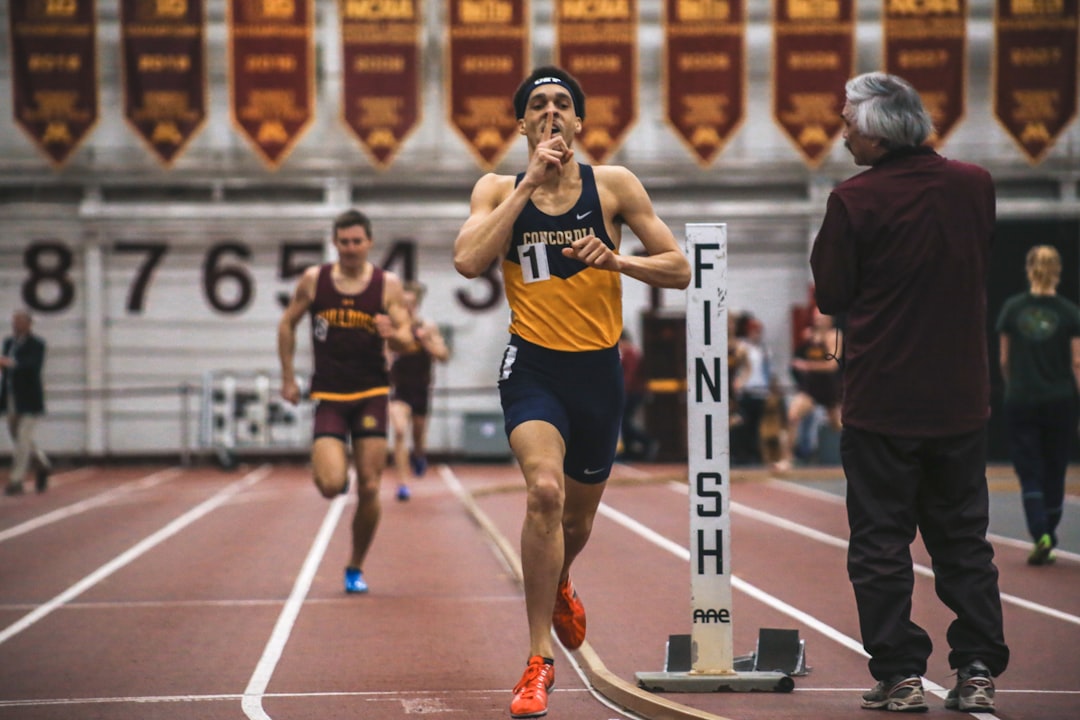
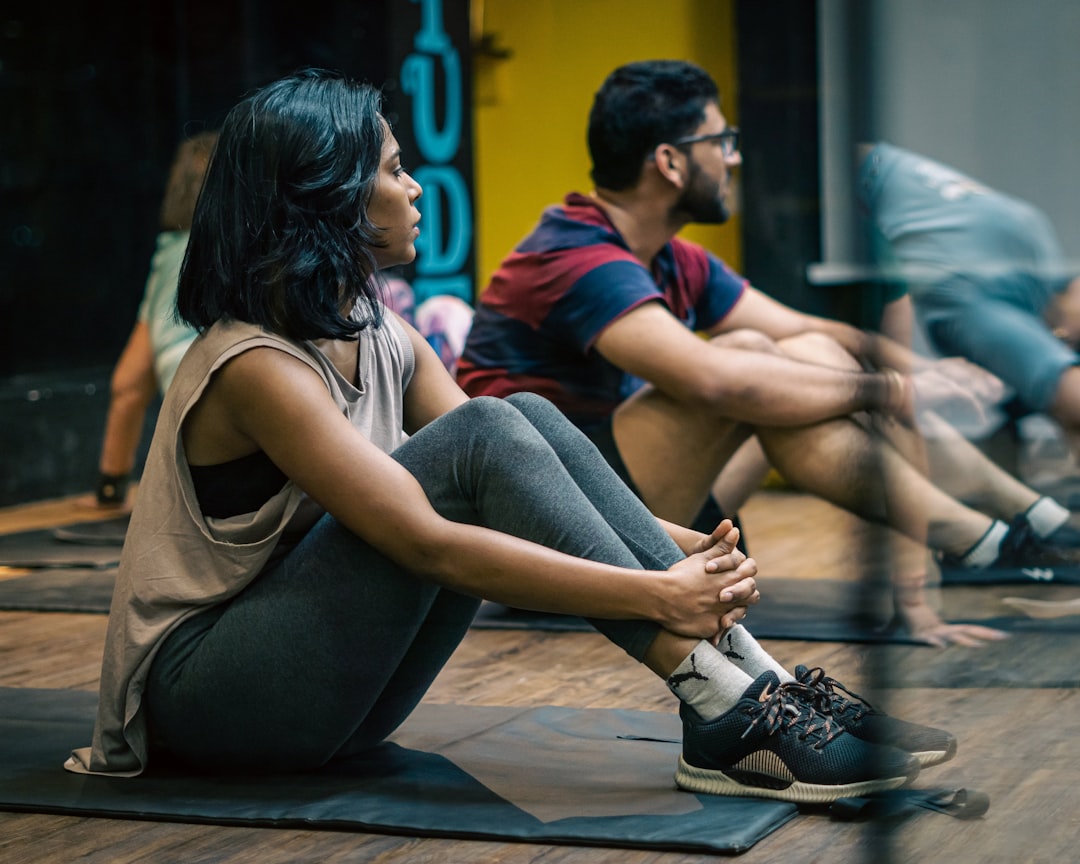
When weather is no longer a barrier, players can focus entirely on skill development, practice sessions, and match strategy. Coaches use this period to build the strength base that outdoor speed work alone cannot build. Treadmill intervals, stair circuits, and resistance work become the program.

What athletes actually do during the rains
The shift to monsoon training is not random. Athletes and their coaches plan it in advance. The Indian Meteorological Department issues alerts categorized as red, orange, and yellow, indicating the intensity of predicted weather conditions. On days with a red alert, it is advisable to skip the outdoor run or limit it to the local area. Instead, athletes can opt for indoor activities like strength training or running on a treadmill.
Those who do venture outside adapt their gear. Quick-dry materials are essential for monsoon season training, wicking away moisture and keeping athletes comfortable. These fabrics reduce chafing, prevent waterlogging, and support peak performance in wet and humid conditions.


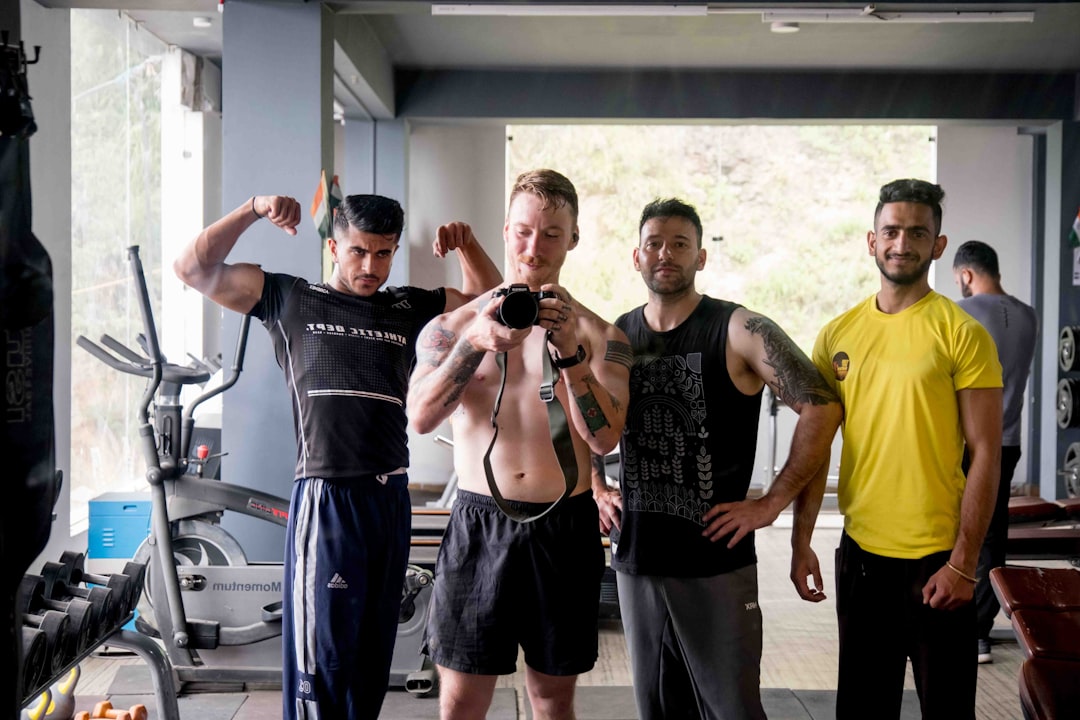
Community and accountability matter too. Neighborhood-focused fitness hubs offer a unique advantage during the monsoon by building a strong community spirit among participants. When athletes exercise alongside familiar faces, the level of mutual motivation and social accountability increases significantly. Group indoor sessions become a feature, not a compromise.
Expert perspective on monsoon training in India
The monsoon is not simply an obstacle. It is a period that reveals the depth of an athlete’s preparation. Serious competitors in India learn early that 4 months of wet season cannot be treated as downtime. The athletes who use this window to build strength, refine technique, and develop sports science habits, including recovery protocols and nutrition planning, consistently outperform those who wait for dry tracks to return. Indoor conditioning, when structured well, builds the muscular base that outdoor running alone never achieves. The key is that coaches must plan the monsoon block before June, not during it. Infrastructure matters too: facilities with proper flooring and controlled humidity allow athletes to train at near full intensity even when rain falls outside for weeks.
Industry perspective, sports conditioning and athlete development professionals in India
The government push behind year-round facilities
India’s government has recognized that weather gaps hurt athlete development. The Sports Authority of India (SAI) has approved the construction of new multipurpose halls at National Centres of Excellence in Chhatrapati Sambhajinagar, Patiala, and Thiruvananthapuram. These facilities are designed as integrated high-performance hubs where training, strength and conditioning, recovery, and sports science coexist under one roof.
At Chhatrapati Sambhajinagar, the focus is on weather-proof training for boxing and other indoor disciplines, addressing disruptions caused by extreme heat and monsoons. This is a direct, official response to the problem that athletes face every year.
In Patiala, Asia’s largest sports institute, the new hall will allow up to 150 athletes to access conditioning, diagnostics, and recovery facilities simultaneously. That scale matters. It means athletes do not need to choose between a wet track and no training at all.
Conclusion: monsoon training is a skill, not just a workaround
Monsoon training in India has moved from problem to practice. The athletes who perform best in the dry season are often the ones who trained the smartest when it rained. Indoor sports facilities in India are now built with professional quality surfaces and equipment that match international standards. The gap between indoor and outdoor performance is closing.
If you visit India between June and September and want to see athletes in action, head to a SAI center or a Khelo India facility. You will find full training sessions running at full effort, rain or not. Monsoon training is not a pause. It is a season of its own, and India’s athletes have learned to use it well. Come and watch. You may train alongside them.
Discover more about monsoon training
- Sports Authority of India: National Centres of Excellence and athlete support programs
- IndiaSportsHub: Indian sports infrastructure push enters a new phase with SAI approvals
- Aguante: Quick-dry materials help maintain comfort in monsoon season training