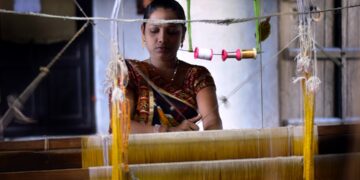

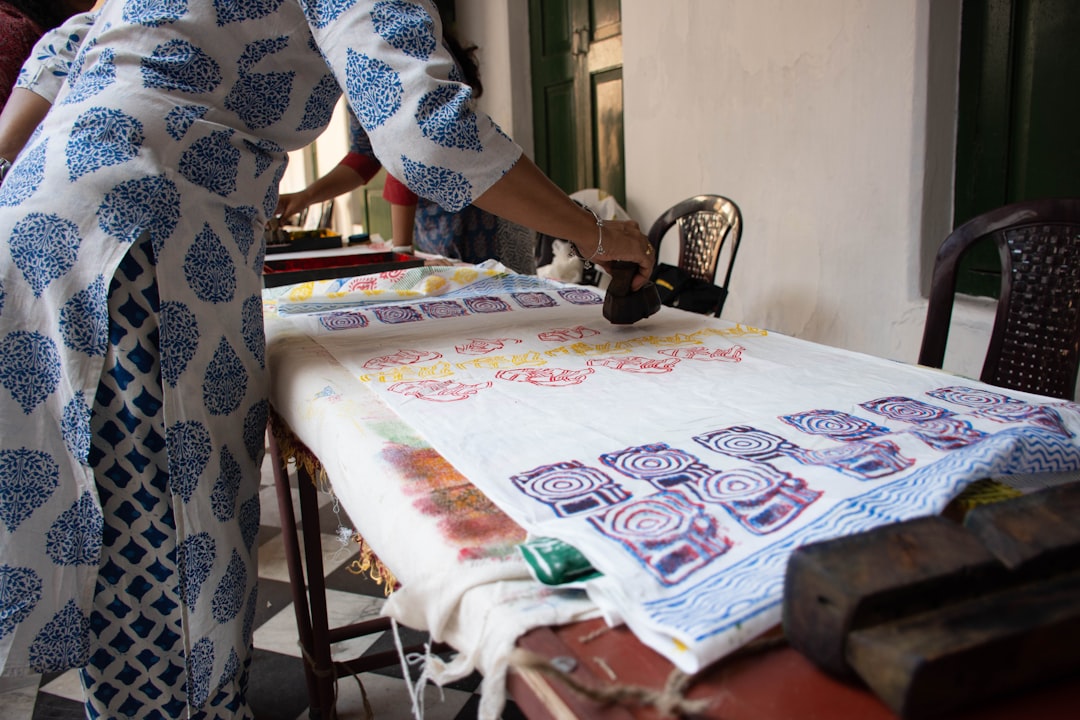
Natural dyes are finding a new home in contemporary Indian fashion, connecting ancient botanical wisdom with the choices of a new generation of conscious consumers.
A tradition older than history
Natural dye knowledge and applications in textiles date back to Mohenjo-Daro in the Indus Valley, around 1100 BC. That is a long time for a craft to survive. India is, by any measure, the birthplace of textile dyeing. The subcontinent’s extraordinary botanical diversity, its complex mineral geology, and the accumulated knowledge of countless generations of dyers have produced a natural colour palette that no other region on earth can match.

Shades of blue were extracted from indigo, yellow from turmeric or saffron, red and burgundy from manjistha (madder) and Indian mulberry. These colours travelled with merchants across oceans. Known as “blue gold,” indigo was one of India’s most valuable exports. The dye was so precious that it fueled colonial trade and even revolts, such as the Indigo Revolt of 1859 in Bengal.
Why natural dyes are returning now
After more than a century of decline following the introduction of synthetic dyes, India’s natural dye traditions are experiencing a renaissance. This revival is driven by growing global awareness of textile pollution, the slow fashion movement, and a renewed appreciation for handmade authenticity.
The environmental case is clear. Behind the bold colours of fast fashion lies one of the most overlooked environmental problems: synthetic textile dyes. Responsible for nearly 20% of global industrial water pollution, these chemical dyes are slowly poisoning rivers, communities, and ecosystems. Natural dyes offer a direct alternative. These dyes come from plants, roots, flowers, barks, and minerals. They are completely biodegradable, non-toxic, and age beautifully over time.
Globally, the natural dyes sector, valued at USD 5.07 billion in 2024, is set to expand at a 5.9% CAGR through 2034. India sits at the centre of this growth. India’s textile dyes sector reached USD 310.4 million in 2024 valuation and projects USD 870.8 million by 2035 at a 9.83% CAGR from 2025 onward.
The plants behind the colours
India’s landscape is a natural dye laboratory. Turmeric has been central to Indian rituals and traditions for centuries. Beyond food and medicine, it was used as a sacred dye in wedding sarees, temple fabrics, and religious offerings. Its antibacterial qualities also made it a practical choice for dyeing children’s clothes.

Madder root (Manjistha) gives warm reds and oranges. Turmeric offers brilliant yellows. Pomegranate rind is a source of golden and grey tones. Myrobalan (Harad) acts both as a dye and a mordant. Each plant brings a specific quality to the fabric. Natural fibres like cotton, linen, hemp, and silk absorb plant dyes best. Synthetic blends are less suitable due to poor pigment bonding.
Researchers continue to discover new sources. A recent study identified plant species such as the Indian barberry (Berberis aristata) and red bistort (Bistorta amplexicaulis) as promising natural dye sources for Pashmina. Published in the journal Coloration Technology in 2025, the study found that these plants can produce a range of shades, from golden hues to reddish and pinkish tones.






Expert perspective on natural dyes in Indian fashion
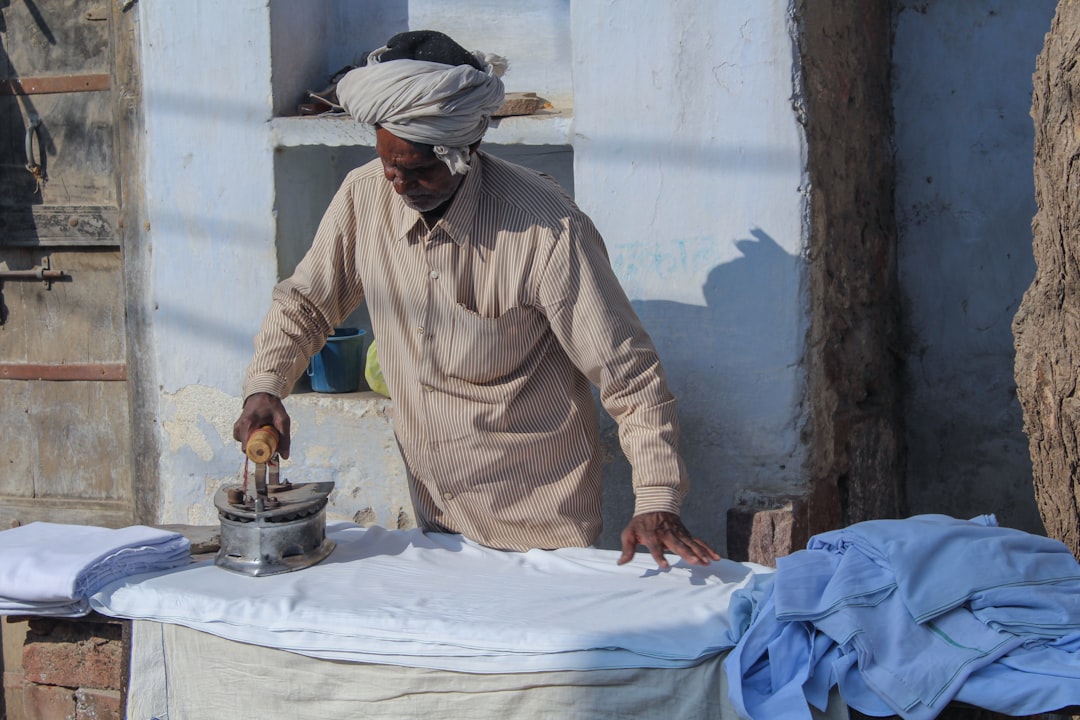
The revival of natural dyeing is, in the most genuine sense, the preservation of India’s colour memory. The artisans who continue these traditions carry an extraordinary depth of knowledge, not written in textbooks but held in the hands, the senses, and the memory of people who have spent lifetimes working with roots, leaves, minerals, and water. This is not nostalgia. This is living knowledge that holds real value for the future of sustainable fashion. In villages across Rajasthan, Gujarat, Madhya Pradesh, Andhra Pradesh, and Tamil Nadu, these methods have changed little in centuries, yet they now speak directly to what the global market is asking for: authenticity, transparency, and care for the environment.
Industry perspective, sustainable textiles and craft revival professionals in India
How government is supporting natural dyes
Policy is now moving in the same direction as consumer demand. The Government of India has outlined measures to promote eco-friendly textiles, organic fibres and natural dyes, citing rising global demand and export potential. Initiatives include cluster-based pilot projects, research collaborations, branding efforts and organic cultivation schemes.
The government is also providing financial assistance for the promotion of natural and vegetable dyes and for the establishment of dye houses, through 2 components: the Mega Cluster Development Programme and Need-based Special Infrastructural Projects. The Tex-Eco Initiative promotes globally competitive and environmentally sustainable textiles and apparel manufacturing. It aligns domestic production with international sustainability standards and supports access to emerging green markets.
Government pilot projects focus on areas such as elimination of hazardous chemicals from the textile value chain, development of eco-friendly and organic textiles, and natural dyeing. One pilot project is being implemented across 400 factories in eight clusters and four fashion houses.

Natural dyes in contemporary fashion and street style
Young designers are collaborating with traditional dyers to create contemporary garments using ancient colour palettes. This is not restricted to luxury fashion. There is a shift to plant-based and chemical-free dyes that minimise water usage and reduce environmental impact. This aligns with India’s rich heritage in natural textile dyeing techniques like madder and indigo.
The “slow colour” movement on platforms like TikTok and Instagram is amplifying the visibility of hand-dyed fashion. Consumers respond to the story behind the garment. The handmade colour connects consumers with nature and craftsmanship. It demonstrates a tangible step toward responsible production. Plant-based pigments are gentle on skin and eco-certified.
Celebrities like Dia Mirza, Bhumi Pednekar, and Alia Bhatt are vocal supporters of sustainable fashion. Their eco-conscious wardrobes have inspired thousands of young Indians to adopt greener lifestyle choices. When style and values align, the message travels fast.
Conclusion: natural dyes belong to all of us
Natural dyes are not a relic from a museum. They are a living, growing part of how India dresses today. Natural dyes empower local communities and promote ethical practices, because they are sourced locally and support artisans, farmers, and economies through short supply chains. Every piece coloured with turmeric or indigo carries the weight of that connection.

The quiet comeback of natural dyes is, in truth, not quiet at all. It is a clear signal that modern India chooses its heritage with pride. The next time you pick up a fabric, look for the colours that the land itself grew. Choose natural dyes. Support the artisans who hold this knowledge. And wear something that tells a true story.
Discover more about natural dyes
- Natural Dyes and Bio-Based Clothing Gain Policy Backing Across India
- India Textile Dyes Market Size and Industry Report to 2035
- Researchers Experiment with Natural Dyes for Pashmina and Silk in Kashmir