

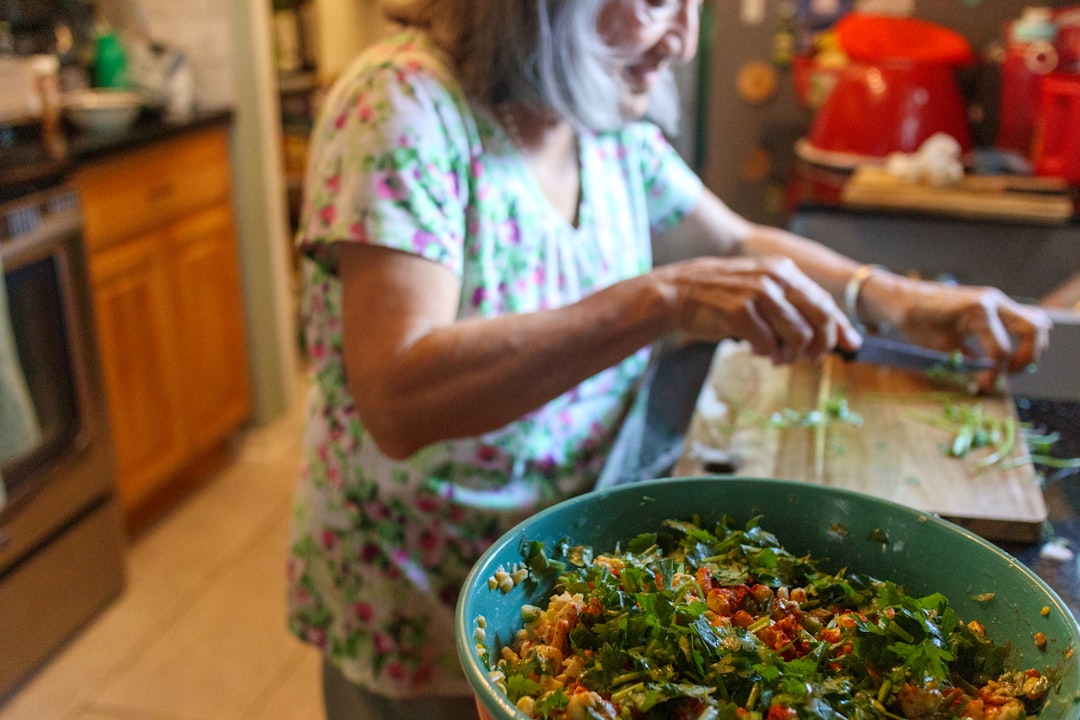
Composting is one of the most powerful things you can do inside your Indian apartment, and it connects you to a tradition that existed long before the word “sustainability” became fashionable.
Why composting belongs in every Indian home
India has a long tradition of composting. Composting has a long tradition in India and is particularly widespread in rural areas. Our grandmothers buried vegetable peels in the courtyard. Our farmers fed the earth before asking it to feed us. Today, urban India has moved into towers and flats, but the same spirit can live on a balcony shelf.

The numbers make the case clearly. The organic fraction of waste in India makes up 40 to 85 percent of total waste, depending on the income and lifestyle of the population. That is the majority of what your family throws away every single day. Landfills have organic waste undergoing anaerobic decomposition, which produces methane, a greenhouse gas 25 times greater than carbon dioxide. Every peel you compost at home is a small but real act of resistance against that damage.
On-site composting is no longer a future plan in Indian cities. It is a reality, with landfills overflowing, climate pressure increasing, and strict government enforcement, so Indian municipalities are now making on-site organic waste treatment compulsory for bulk waste generators. Starting at home today puts you ahead of the curve.
Choosing the right composting method for your space
If you live in a small apartment, you can use a smaller bin placed on a balcony or under the sink. The good news is that 3 proven methods work very well in compact Indian homes. Each one suits a different lifestyle and budget.
Pot composting is the most traditional approach. In Indian homes, people often use bins made of plastic, terracotta, or recycled materials. The container should hold at least 30 litres and have holes on the sides and bottom to allow aeration. Drill small holes if necessary and place a drip tray underneath to collect leachate. Terracotta pots are especially beautiful on a balcony and breathe naturally in India’s warm climate.
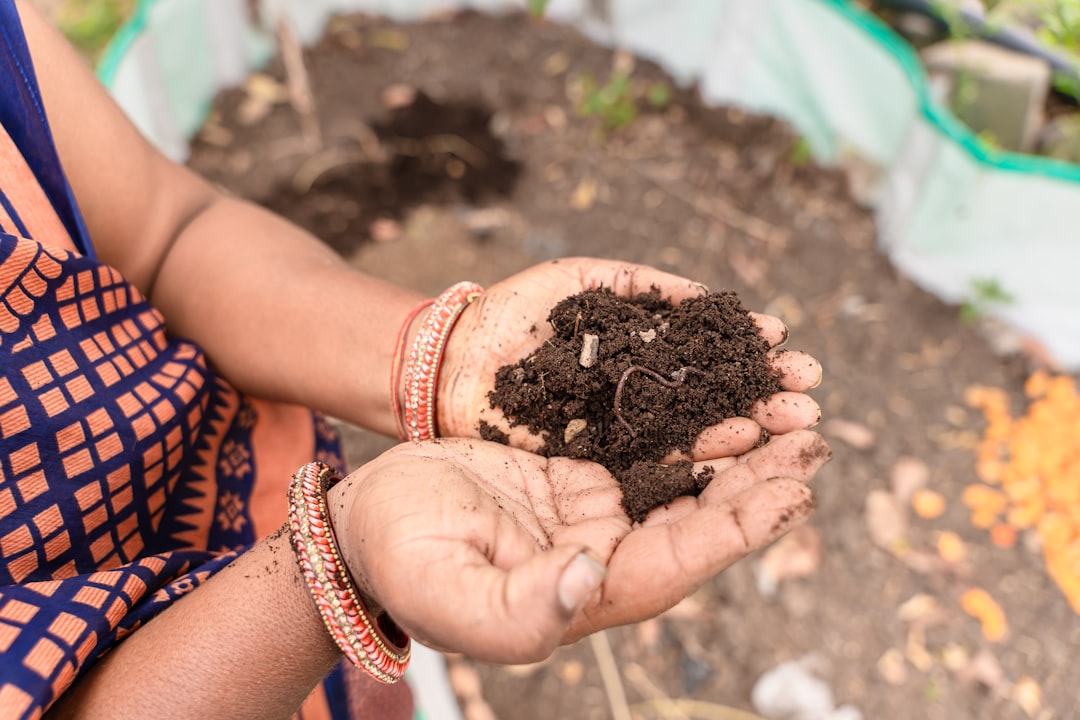
Vermicomposting uses earthworms to do the hard work. Vermicomposting is a technique where earthworms, particularly red wigglers, break down food scraps, turning them into nutrient-rich compost. The worms consume organic materials like fruit and vegetable peels, coffee grounds, and even small amounts of paper, producing rich compost in the form of worm castings. It takes about 3 to 4 months to produce finished compost, but nutrient levels can increase by up to 42 percent for nitrogen, 29 percent for phosphorus, and 57 percent for potassium compared to regular compost.

Bokashi composting is ideal for beginners with very little space. These airtight containers use effective microorganisms to ferment food waste. They are great for tight spaces and are ideal for beginners. Bokashi ferments all food waste, including meat, is countertop-friendly, and produces results in 10 to 14 days. You can keep it under your kitchen sink without any noticeable odour.
Setting up your composting bin step by step
Start with a small collection routine before you think about the bin itself. Start by setting up a simple collection system in your kitchen. A covered bowl or a small bin works perfectly for gathering food scraps like vegetable peels and coffee grounds as you cook and clean up.
Next, layer your bin correctly. First, add a layer of dry leaves or torn paper at the bottom. Then, spread kitchen scraps like fruit and vegetable peels and leftover food on top. Next, add another layer of brown materials to keep things balanced. Maintaining a 3:1 green-to-brown ratio helps control moisture and odour.
India’s climate is actually an advantage here. India’s hot weather helps compost break down faster, but it also needs careful management of moisture. During the rainy season, compost bins should be covered to keep them dry. In the summer, bins should be placed in shaded areas to avoid direct sun. One small trick that honours our roots: traditional Indian methods use cow dung or buttermilk to supply beneficial microbes and speed up the process considerably.






An urban sustainability perspective
Composting in an Indian apartment is not a compromise. It is, in fact, the most direct form of participation in a circular economy that our cities desperately need. Every household that segregates its organic waste and processes it at home reduces the pressure on municipal systems that are already stretched thin. The practice reconnects urban residents with the biological reality of food: it begins in the soil and it must return to the soil. When we compost at home, we stop seeing kitchen waste as a problem and start seeing it as a resource. That shift in perspective is exactly what India’s cities need to scale sustainable living from a niche habit into a mainstream movement. The apartment is not too small for composting. The mind just needs to expand a little.
Industry perspective, sustainability and urban waste management professionals in India
Keeping your composting bin odour-free and pest-free
The most common reason people stop composting is an unexpected smell or the appearance of small insects. Both problems are easy to prevent with a few clear rules. For a healthy, odour-free compost pile, keep out items that attract pests or slow decomposition. Government guidelines warn against adding meat, fish, dairy products, oils, chemically treated fruit skins, plastics, or metals. These materials can produce foul odours or contaminate your compost.
If you notice a bad odour, mix in more brown materials like dry leaves to balance the moisture and improve airflow. Always chop your kitchen scraps into smaller pieces before you add them. It is better to cut waste into smaller pieces so it breaks down more quickly. Sprinkle a little neem oil to deter insects as a natural, chemical-free solution that every Indian household already understands.
Stir the compost once a week for better aeration. After 2 to 3 months, your compost will be ready for use. The finished material looks like dark, crumbly soil with an earthy smell. Your balcony plants, your terrace herb garden, and your building’s flower beds will thank you.
What to do with finished compost
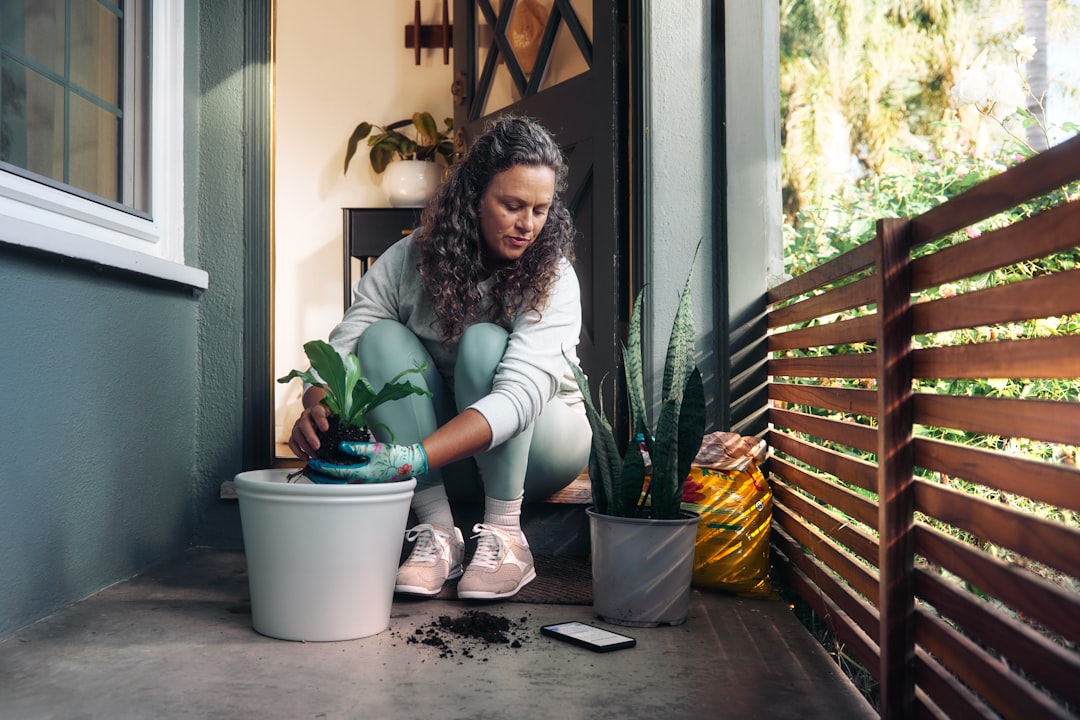
Compost is not just a soil amendment. It is a living ecosystem that benefits every part of your garden. Mix compost into containers for vegetables and herbs, top-dress flowering plants, or use it to start microgreens. Many urban apartment residents in India use their finished compost for tulsi plants, curry leaf plants, and balcony vegetable boxes.
If you produce more compost than you need, share it. At Silver Crest in Powai, residents process organic waste on-site and use compost for landscaping while donating the surplus to farmers. Your building’s Residents’ Welfare Association can connect you with local parks or nearby farmers who welcome organic compost. One community leader inspired 350 households to adopt composting, cutting open dumping by 60 percent and creating cleaner, safer streets. Your single bin can become a neighbourhood movement.

Start composting and start a small revolution
Composting is the simplest and most meaningful step toward a sustainable life in your Indian apartment. Every time you add vegetable peels to your bin, you reduce landfill waste, feed your plants with pure nutrition, and honour a tradition that this land has always known. Start composting today with 1 small bin, 1 handful of dry leaves, and 1 cup of kitchen scraps. Share your progress with neighbours and watch composting grow from your kitchen counter into your entire building. India’s cities need this change, and it begins with you.
Discover more about composting
- Swachh Bharat Mission Urban: Official Portal
- Earth5R Community Composting Initiative: Urban India Case Studies
- The Better India: Top Composting Tips for Urban Homes in India
[End of deliverables]