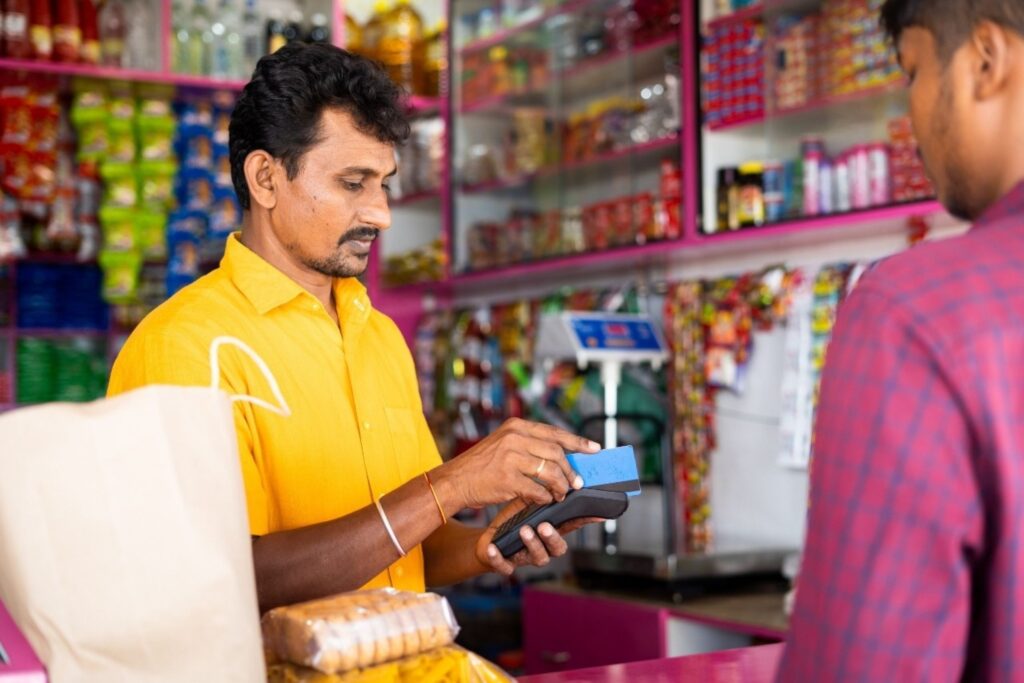

In January 2026 alone, India processed 21.70 billion digital payments transactions, accounting for 81% of all retail digital transactions in the country. This is not a technology story. It is an economic transformation story. In less than a decade, India has built the most active real-time digital payments system in the world. Digital payments now touch every part of Indian life, from vegetable vendors in rural markets to corporate treasury departments in Mumbai’s financial district. For general readers, understanding this revolution helps explain why India is consistently described as the most important fintech market on earth.
What Makes India’s Digital Payments System Unique
The Unified Payments Interface processed 228.3 billion transactions worth $3.4 trillion in calendar year 2025. This single-country payment network now accounts for approximately 50% of all real-time digital payment volume globally, a share no other payment system in any country has come close to matching.

UPI was launched in 2016 by the National Payments Corporation of India (NPCI). Launched less than a decade ago, UPI today facilitates over 20 billion transactions each month and accounts for 84% of India’s digital retail payments. Furthermore, UPI surpassed 500 million unique users in India by early 2026, spanning all demographics. No payment system in history has reached this scale this quickly.
How UPI Works and Why It Matters
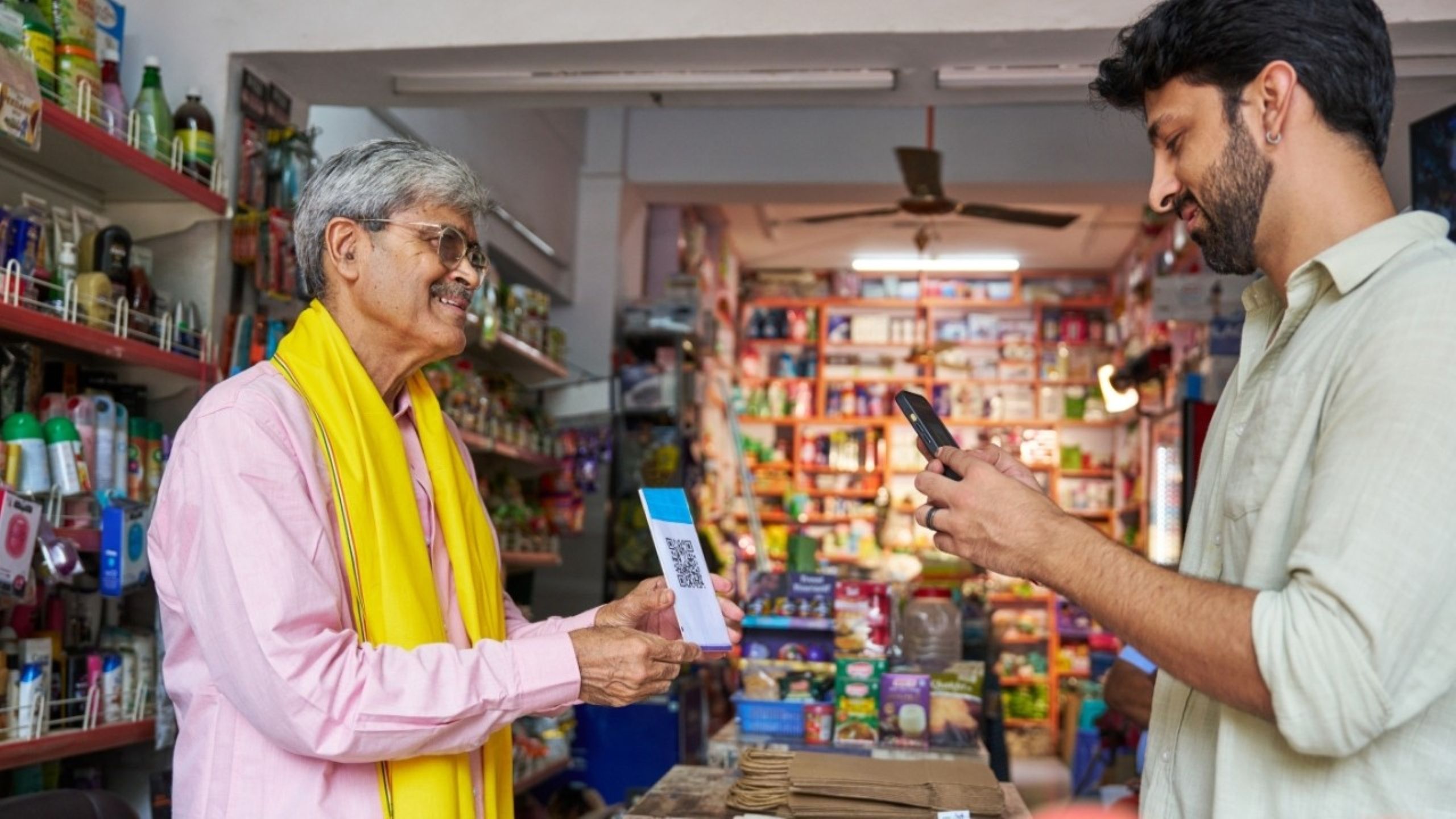
UPI is a real-time payment system that allows any bank account holder in India to send and receive money instantly using a mobile phone. The system works through a simple identifier called a UPI ID, which links directly to a bank account. UPI has revolutionised person-to-person and merchant payments with interoperability, zero merchant fees, and 24/7 availability. From government subsidies to small shop QR codes, UPI has embedded itself into the daily economic fabric of India.
Additionally, UPI Lite now supports offline transactions up to a 5,000 rupee limit in 2026, boosting access in low-connectivity areas. This feature is particularly important for rural India, where internet connections are not always reliable. Consequently, digital payments are no longer limited to urban smartphone users with strong data connections.
The Scale of India’s Fintech Market in 2026
India’s digital payments market is valued at $7.93 billion in 2026. However, the transaction volume tells a more complete story than the market value alone. India contributes 49% of total global real-time payment transactions. For a country that was largely cash-dependent as recently as 2015, this represents one of the fastest economic transformations in modern history.
India’s fintech market is projected to surpass $400 billion by FY2029, driven by UPI and digital innovation. UPI is expected to account for 65% of all transactions by 2026, creating significant opportunities for fintech startups, banks, and businesses. Moreover, UPI is projected to reach 1 billion transactions per day by FY2028, a figure that would make it larger than most national economies’ entire payment systems.

A Professional’s View on Digital Payments in India
Rahul Nair, Product Manager, Digital Banking Division, Bengaluru
“Three years ago, I still carried cash as a backup. Today I have not used a physical note in over 6 months. UPI has removed every friction point that used to make digital payments feel complicated.”
“The most significant change is not in cities. It is in small towns and rural areas. My parents in Kerala, who never used a smartphone for banking before 2020, now use UPI daily for everything from buying vegetables to paying electricity bills.”
Rainwater harvesting tips for home
Rainwater harvesting is one of the smartest things an Indian household can do during monsoon season. From simple barrel setups...
Pranayama breathwork for WFH burnout
Millions of Indian professionals working from home face rising burnout with blurred boundaries and constant screen time. Pranayama breathwork offers...
-
Monsoon commute dressing done right
The Indian monsoon is beautiful, but it tests every office-goer's wardrobe. This guide covers the best fabrics, footwear, and traditional-meets-modern...
Plastic-free kitchen brands worth switching to
India has some of the most creative homegrown brands making plastic-free kitchen essentials rooted in ancient materials. From coconut shell...
How Digital Payments Are Driving Financial Inclusion
One of the most important outcomes of India’s digital payments revolution is financial inclusion. The Direct Benefit Transfer system ensures government aid reaches beneficiaries directly, eliminating intermediaries. Digital footprints allow small merchants and informal workers to access formal credit and insurance products for the first time.
India is home to over 900 million internet users and over 500 million smartphone users. The convergence of mobile connectivity, financial inclusion, and innovation has set the stage for a transformative shift in how hundreds of millions of people access financial services. Furthermore, India is on track to become a $1 trillion digital economy by 2030, with real-time payments, AI-enabled services, and small business digitalisation driving growth.
How India’s Digital Payments System Is Going Global
India is no longer content to lead only domestically. NPCI International has expanded UPI to 11 countries, joined Project Nexus as a founding member alongside Singapore, Malaysia, Thailand, and the Philippines, and helped build domestic payment systems in Peru, Namibia, and Trinidad and Tobago.
UPI has expanded to 12 or more countries by 2026, including destinations across South Asia and beyond. UPI QR payments are already active in countries including Singapore, the UAE, Bhutan, France, and Sri Lanka. Additionally, cross-border UPI transactions grew 1,936% year-over-year, driven partly by the fact that India receives $135.46 billion in annual inward remittances, the largest remittance inflow of any country in the world.
Conclusion: Digital Payments Are Redefining India’s Economy
Digital payments in India have moved far beyond convenience. They are now a fundamental layer of the economy, connecting hundreds of millions of people to financial services, government benefits, and global commerce. UPI’s record of 21.70 billion monthly transactions, 500 million users, and 50% of global real-time payment volume confirms that India has built something the world has not seen before. The fintech revolution in India is not slowing down. It is accelerating, and its next phase, covering credit, insurance, cross-border trade, and rural expansion, will be even more significant than what has already been achieved.