

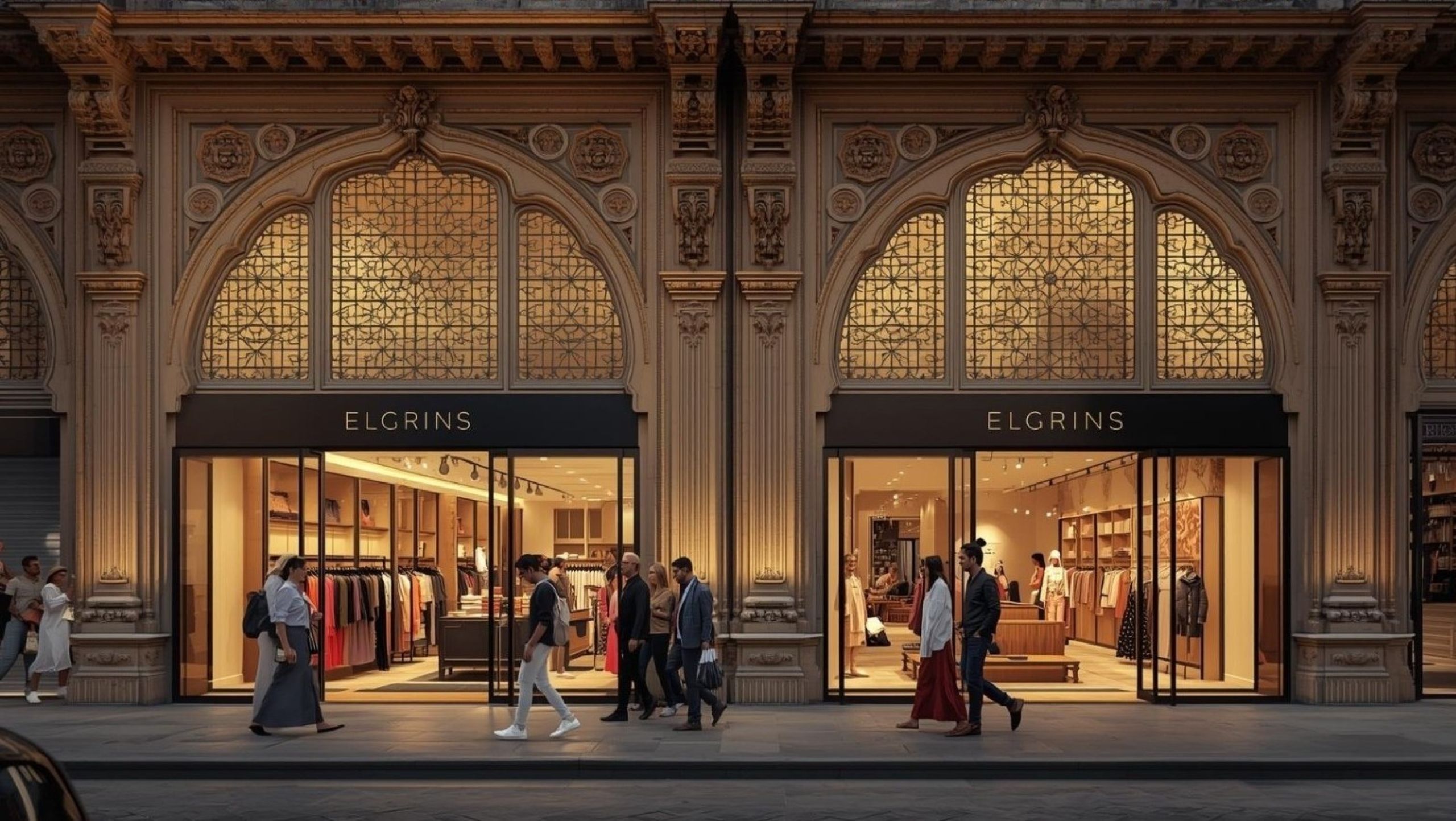
Why Does Luxury Fashion Grow Rapidly in India?
India’s luxury fashion boom stems from its rapidly expanding high-net-worth individual population. Furthermore, the country now hosts over 800,000 millionaires with growing purchasing power. This wealthy demographic drives massive demand for international designer brands consistently.

Additionally, young Indian consumers embrace luxury fashion as status symbols and lifestyle choices. The under-40 demographic represents 60% of luxury purchases versus 40% globally. This youthful market ensures decades of continued growth for premium brands.
Meanwhile, increased international travel exposes Indians to global luxury fashion trends regularly. For instance, shoppers compare prices across markets and demand authentic products locally. This sophistication pushes brands to establish strong Indian presences quickly.
What Drives Luxury Fashion Performance in India?
Wedding season spending powers significant luxury fashion retail spikes throughout the year. Moreover, Indian weddings account for ₹15,000-20,000 crores in luxury purchases annually. These celebrations drive demand for designer wear, jewelry, and accessories consistently.
Additionally, corporate professionals in tier-1 cities fuel consistent luxury fashion consumption patterns. Mumbai, Delhi, and Bangalore professionals allocate 15-20% of income to premium products. This stable spending base complements seasonal wedding-driven sales effectively.
Digital influence accelerates luxury fashion awareness and aspiration among Indian consumers dramatically. Specifically, social media showcases international trends creating demand for global brands. This digital exposure translates to in-store purchases at premium shopping destinations.

How Do Mall Economics Support Luxury Fashion?
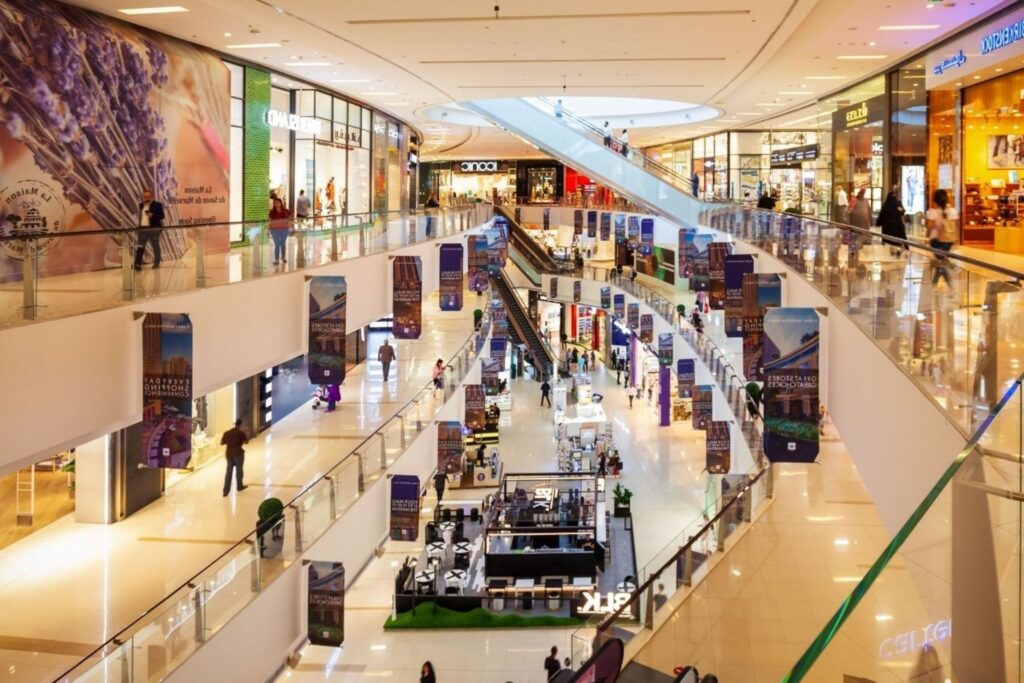
Indian luxury malls concentrate premium brands creating destination shopping experiences nationwide. Furthermore, developments like DLF Emporio Delhi and Palladium Mumbai attract wealthy consumers. These malls invest heavily in ambiance, service, and exclusive brand partnerships.
Additionally, luxury fashion anchors mixed-use developments in Indian metros increasingly over time. Indeed, premium brands activate ground-floor retail in residential and commercial complexes. This integration creates aspirational environments driving property values upward by 20-30%.






Real estate developers compete fiercely for exclusive luxury fashion tenant agreements across India. For example, they offer reduced rents, longer lease terms, and marketing support. These incentives accelerate brand entry and shape India’s luxury retail landscape.

Craft export: scale without losing handmade soul
India's craft export sector is worth nearly USD 5 billion and growing fast. Founders across the country are now building...
Onam festival: Kerala’s harvest goes global
Onam festival is no longer just Kerala's harvest celebration. It is a 10-day global ritual of homecoming, plant-based eating, mindful...

Kerala retreats for Ayurvedic reset
Kerala retreats during Onam season offer something rare: the chance to celebrate one of India's most beloved festivals while undergoing...

Zero-chemical cleaning kit for Indian homes
A zero-chemical cleaning kit does not require a specialty store or a large budget. India's own kitchen shelves hold 5...
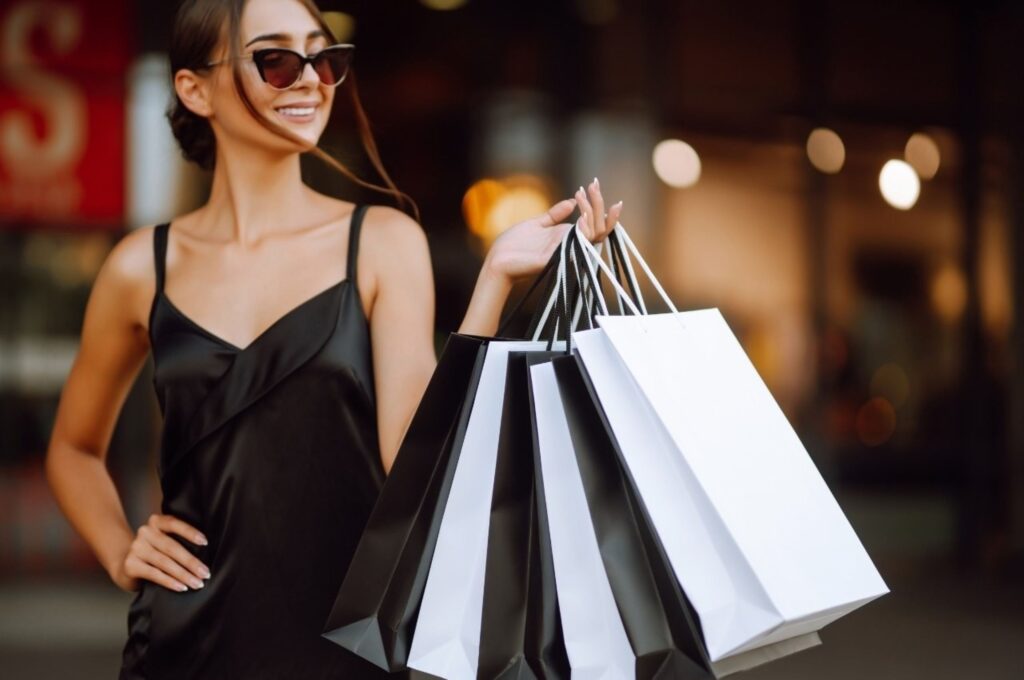
How Do Formats and Challenges Shape Indian Luxury Fashion?
Delhi’s DLF Emporio represents India’s premier luxury fashion destination with 100+ brands. Furthermore, Mumbai’s Jio World Plaza combines luxury retail with cultural experiences attracting affluent shoppers. Bangalore’s UB City offers climate-controlled luxury shopping appealing to tech professionals.
However, import duties up to 40% challenge luxury fashion pricing competitiveness significantly. Additionally, smaller market size versus China affects brand commitment and inventory investment. Infrastructure gaps and service training needs also impact customer experiences across stores.
Despite challenges, brands adapt through India-exclusive collections and localized marketing strategies. Moreover, improved logistics and staff training elevate service standards matching global expectations. Understanding these dynamics proves essential for investors evaluating Indian luxury fashion opportunities.










This article provides a masterly and high-level analysis of the luxury retail paradigm shift in India as we navigate 2026. It is fascinating to observe how the Indian luxury market has evolved from ‘transactional consumption’ to ‘experiential engagement,’ driven by a sophisticated and increasingly globalized domestic consumer base.
Your insights into the ‘Phygital’ transformation—where AI-driven personalization meets the bespoke physical intimacy of the atelier—are particularly spot on. The expansion of global luxury houses beyond the traditional hubs of Delhi and Mumbai into vibrant markets like Hyderabad, Chandigarh, and Bangalore is a testament to the deepening of India’s wealth corridors. Furthermore, the emphasis on ‘Mindful Luxury’ and the integration of sustainable Indian craftsmanship into global supply chains shows a mature understanding of how the 2026 consumer values heritage as much as exclusivity.
For global brands and retail strategists, this piece serves as a vital blueprint for capturing value in a market projected to exceed $30 billion by the end of the decade. Thank you for this rigorous synthesis of market data and aesthetic trends. This is an essential read for anyone looking to master the complexities of the ‘New Luxury’ economy in the Indian subcontinent.
Great read! It’s really fascinating to see how the luxury fashion market in India is evolving in 2026. The retail landscape is definitely changing, and brands have to adapt quickly. Thanks for the detailed breakdown!
Reading this right after watching a friend struggle to find a genuine Manish Malhotra lehenga online for her sister’s wedding, and the part about counterfeits really hits home. The market is exploding but the trust issue with online luxury is still massive in India. I do think the Reliance partnership model with Valentino and Balenciaga is going to change that game faster than people expect. Curious what happens to the small designer boutiques in the meantime.
Luxury sneakers growing at 25 to 30 percent year on year is the data point most foreign brands are still sleeping on.