

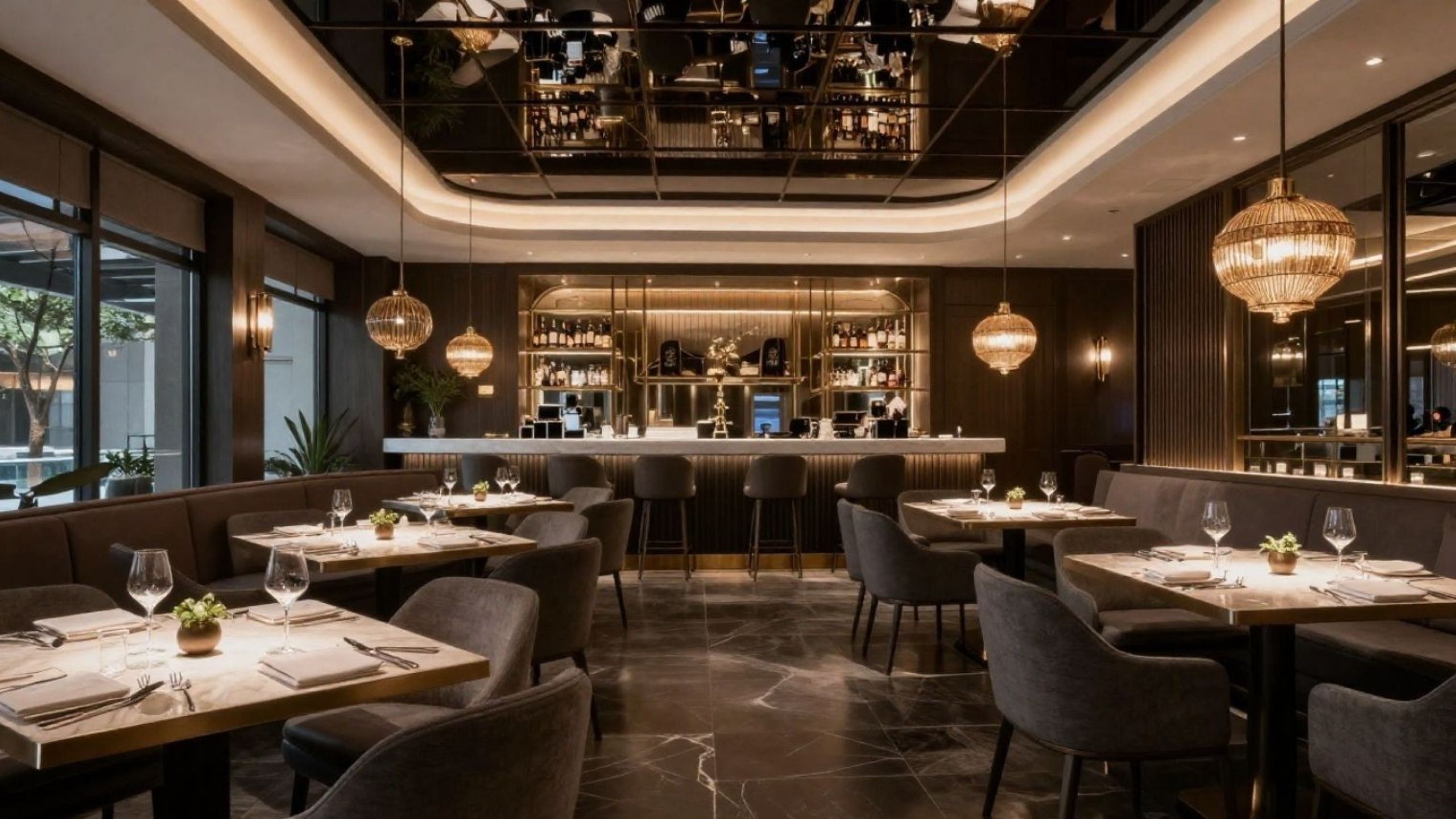
What Drives India Fine Dining Appeal for Investors?
India fine dining market reaches ₹22,000 crore annually in 2026. Consequently, Michelin Guide India launched Mumbai and Delhi expanding coverage. Industry analysts project 18.5% annual growth through 2030.

Additionally, growing middle class creates 600 million potential customers. Therefore, disposable incomes rise enabling premium dining experiences regularly. Moreover, younger generations prioritize experiential spending over material goods.
International chef presence validates market sophistication and maturity levels. For instance, celebrity chefs including Ritu Dalmia and Prateek Sadhu. Thus, culinary innovation attracts global attention and investment interest.
Which Indian Cities Lead Michelin Restaurant Investment?
Mumbai hosts India’s highest concentration of fine dining establishments. Furthermore, South Mumbai and BKC attract affluent residents and tourists. Premium locations command ₹400-800 per square foot monthly rent.
Delhi NCR Gurgaon and South Delhi serve corporate entertainment market. However, weekday business lunch demand ensures revenue stability. Also, wedding and celebration culture supports event business significantly.
Bangalore tech entrepreneurs drive premium dining culture growth rapidly. Meanwhile, international exposure creates demand for global cuisines. Certainly, cosmopolitan population supports diverse culinary concepts successfully.

Mumbai and Goa combine tourism with resident fine dining demand. For example, coastal luxury resorts house Michelin-quality restaurants. Besides, wealthy second-home owners support year-round operations.
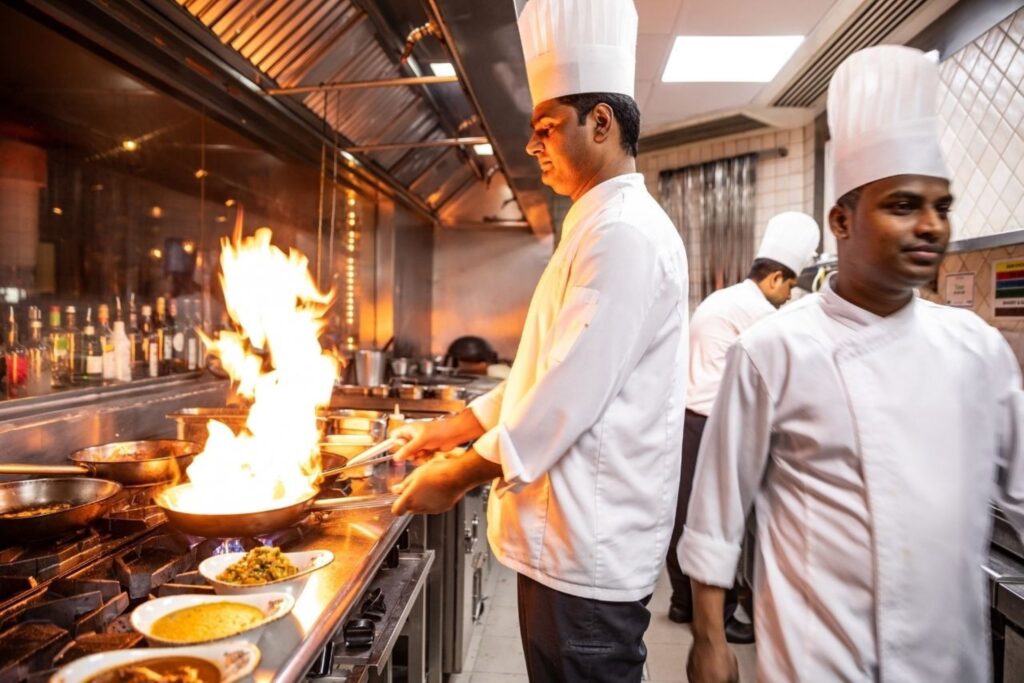
How Does India Michelin Economics Compare Globally?
Average check sizes reach ₹5,000-8,000 per person excluding alcohol. Nevertheless, purchasing power creates accessible luxury for target demographics. Specifically, comparable to mid-tier European dining experiences relatively.






Operating margins average 15-18% versus 20-25% international markets typically. On the other hand, labor and ingredient costs lower offsetting. Additionally, high-volume turnover compensates for lower absolute margins.
Investment multiples for premium restaurants reach ₹8-25 crore acquisitions. For instance, significantly lower than European ₹35-90 crore valuations. Besides, Indian properties appreciate faster reflecting market growth.
Labor costs represent 30-35% revenue creating employment-intensive operations. Thus, skilled chef shortage drives wage inflation currently. Furthermore, training programs essential for maintaining service standards.


Craft export: scale without losing handmade soul
India's craft export sector is worth nearly USD 5 billion and growing fast. Founders across the country are now building...

Onam festival: Kerala’s harvest goes global
Onam festival is no longer just Kerala's harvest celebration. It is a 10-day global ritual of homecoming, plant-based eating, mindful...

Kerala retreats for Ayurvedic reset
Kerala retreats during Onam season offer something rare: the chance to celebrate one of India's most beloved festivals while undergoing...

Zero-chemical cleaning kit for Indian homes
A zero-chemical cleaning kit does not require a specialty store or a large budget. India's own kitchen shelves hold 5...
How Does Regional Cuisine Diversity Create Investment Opportunities?
North Indian fine dining reinterprets traditional recipes through modern techniques. Therefore, deconstructed kebabs and molecular gastronomy applications attract diners. Premium establishments command ₹6,000-10,000 average checks successfully.
South Indian cuisine elevated beyond casual dining stereotypes recently. However, progressive restaurants showcase Chettinad, Kerala, and Karnataka specialties. Also, fermentation techniques and regional ingredients gain appreciation.
Coastal seafood concepts capitalize on India’s 7,500km coastline diversity. Meanwhile, Mangalorean, Goan, and Bengali fish preparations attract enthusiasts. Certainly, sustainable sourcing and seasonal menus enhance authenticity.
Regional wine pairings from Nashik and Bangalore vineyards complement cuisine. For instance, Indian wines paired with local flavors create unique experiences. Besides, domestic wine industry growth supports premium beverage programs.
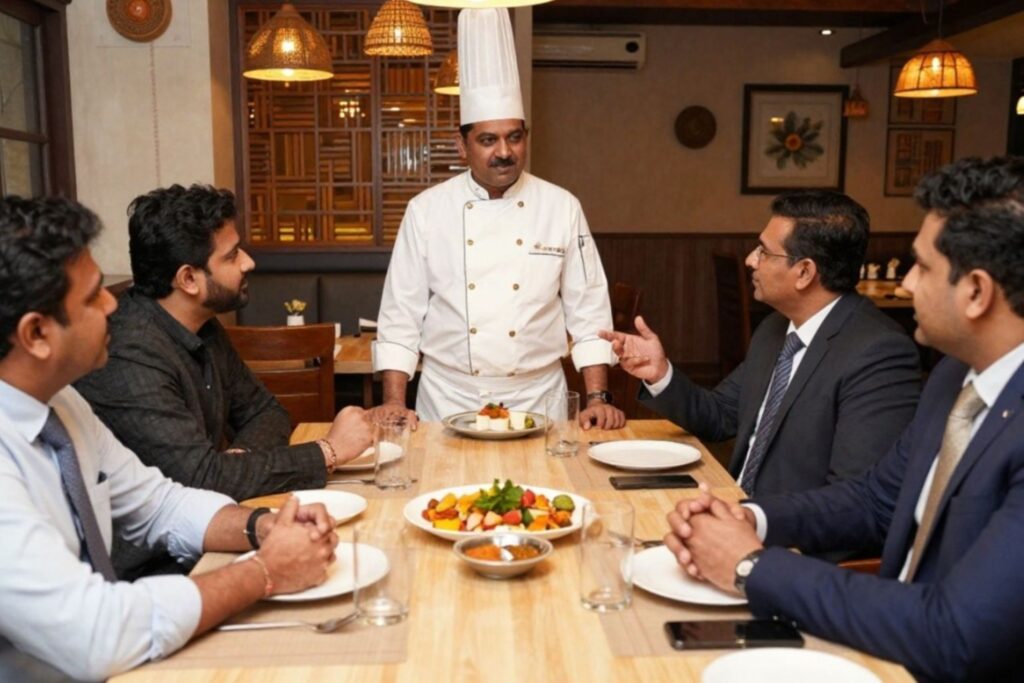











This investment guide offers a sophisticated and timely overview of the luxury culinary landscape in India as we progress through 2026. The entry and expansion of global benchmarks like the Michelin Guide signify more than just culinary recognition; they represent the formalization of India’s ‘Gastronomic Infrastructure’ as a high-yield investment asset.
It is particularly compelling to see how the 2026 market is moving toward ‘Experiential Luxury,’ where traditional heritage flavors are being reimagined through avant-garde techniques. Your analysis of the ROI (Return on Investment) in the fine-dining segment—driven by an increasingly affluent domestic middle class and a surge in international culinary tourism—is spot on. Furthermore, the emphasis on ‘Farm-to-Table’ sustainability within the luxury tier shows that the Indian market is perfectly aligned with global ESG (Environmental, Social, and Governance) standards.
For institutional investors and hospitality moguls, this piece serves as a vital roadmap for navigating a sector where cultural capital meets fiscal growth. Thank you for this brilliant synthesis of culinary art and economic strategy. This is essential reading for anyone looking to understand the future of the ‘Experience Economy’ in the Indian subcontinent.
Vineet Bhatia at Ziya in the Oberoi Mumbai still serves some of the most refined Indian food I have eaten anywhere.