

What Are ESG Funds?
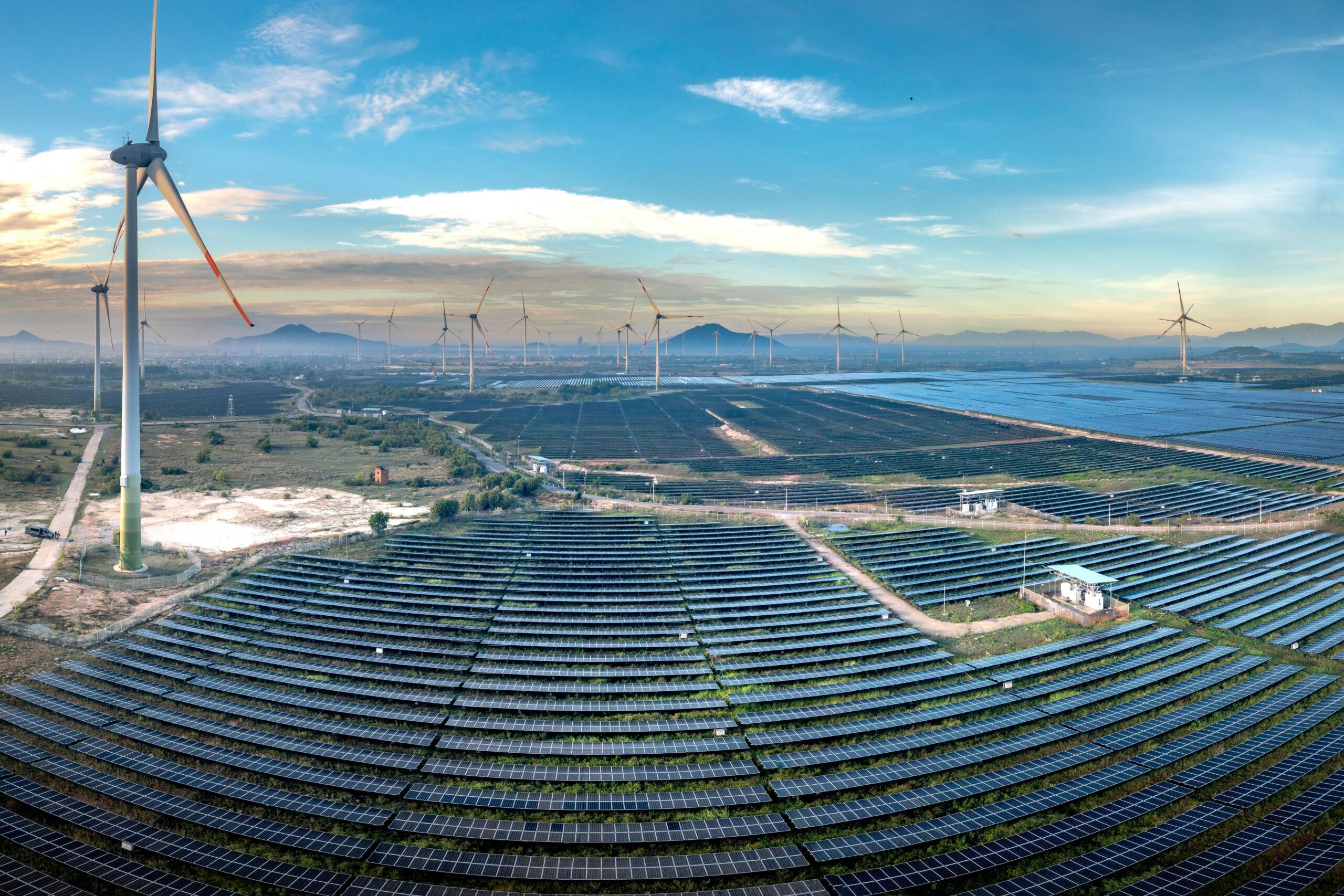
ESG Funds screen companies based on environmental impact and ethical practices. These investment vehicles avoid polluters and controversial industries. Instead, they focus on clean energy, water conservation, and fair labor.

Furthermore, ESG screening happens through rigorous analysis. Fund managers evaluate carbon emissions and board diversity. They also assess community relations and supply chain transparency. Therefore, only responsible companies make the cut.
Additionally, Indian regulations now mandate ESG disclosures. SEBI introduced comprehensive guidelines in 2024. This framework ensures investor protection and data accuracy.
Green Bonds Transform Indian Markets
Green bonds finance renewable energy and eco-friendly projects. These debt instruments raised ₹45,000 crore in 2025 alone. Consequently, solar farms and wind projects received crucial funding.
Indeed, the green bond market expanded rapidly across India. Corporate giants like Reliance and Adani issued major offerings. Meanwhile, public sector banks entered this sustainable financing space.
For instance, State Bank of India launched India’s largest green bond. The ₹10,000 crore issue funded clean transportation projects. Such initiatives demonstrate mainstream acceptance of sustainable finance.


Why Sustainable Investment Matters in 2026
Climate change poses real financial risks to portfolios. Extreme weather events cost Indian businesses billions annually. Therefore, sustainable investment protects against these emerging threats.
Moreover, millennials and Gen Z demand ethical options. These generations control increasing wealth in urban centers. They want their money aligned with their values.






Statistics show compelling performance trends for sustainable funds. ESG portfolios delivered 12.4% returns in 2025. This outpaced traditional equity funds by 1.8 percentage points.


Craft export: scale without losing handmade soul
India's craft export sector is worth nearly USD 5 billion and growing fast. Founders across the country are now building...

Onam festival: Kerala’s harvest goes global
Onam festival is no longer just Kerala's harvest celebration. It is a 10-day global ritual of homecoming, plant-based eating, mindful...

Kerala retreats for Ayurvedic reset
Kerala retreats during Onam season offer something rare: the chance to celebrate one of India's most beloved festivals while undergoing...

Zero-chemical cleaning kit for Indian homes
A zero-chemical cleaning kit does not require a specialty store or a large budget. India's own kitchen shelves hold 5...

Conclusion
ESG Funds represent the future of Indian investment strategy. These products combine financial returns with positive societal impact. Moreover, green bonds provide fixed-income alternatives for conservative investors.

The sustainable market continues expanding across Pune, Hyderabad, and Kolkata. Consequently, 2026 offers unprecedented opportunities for conscious capital allocation. Therefore, investors should explore ESG Funds within their portfolios today.
Indeed, sustainable investment is no longer optional but essential. Start your green investment journey with proper research and guidance.











Seeing all these massive investment numbers is wild. I just focus on filming my simple daily routine for Facebook and staying out of the whole corporate hustle. As long as these “green funds” actually protect the outdoors, I think it’s a positive thing. Definitely a different world from mine, though
The SEBI BRSR framework you mentioned is genuinely a turning point. I work in compliance for a listed company and the difference between this year and even two years ago in how seriously boards take ESG disclosures is night and day. That said, the assurance requirement for FY 2024-25 data is going to expose how many companies were just ticking boxes.
The Net Zero by 2070 commitment sounds ambitious but the article glosses over how dependent India still is on coal for baseload power. ESG funds avoiding those companies might feel virtuous but it does not actually move the needle on emissions.