
भारत भर के बौद्ध सर्किट उन यात्रियों को पुरस्कृत करते हैं जो बिहार के प्रसिद्ध स्थलों से आगे निकलकर बुद्ध के पदचिह्नों का अनुसरण करते हुए ऐसी जगहों तक जाते हैं जो वास्तव में अनछुई सी महसूस होती हैं।
भारत के बौद्ध सर्किट क्यों सिर्फ 1 राज्य से कहीं आगे हैं
अधिकांश यात्री जानते हैं कि बोधगया बिहार में स्थित है, जहाँ बुद्ध ने बोधि वृक्ष के नीचे ज्ञान प्राप्त किया था। बौद्ध धर्म में तीर्थयात्रा के 4 प्रमुख स्थल हैं: लुम्बिनी, बोधगया, सारनाथ और कुशीनगर। ये नाम हर गाइडबुक में दिखाई देते हैं। हालाँकि, भारत का बौद्ध भूगोल इस प्रसिद्ध चौकड़ी से कहीं अधिक विशाल है।

भारत का पर्यटन मंत्रालय 'स्वदेश दर्शन योजना' के माध्यम से बौद्ध पर्यटन को सक्रिय रूप से बढ़ावा देता है, और बौद्ध सर्किट को देश भर में बौद्ध विरासत स्थलों को बढ़ावा देने के लिए उस योजना के तहत एक विषयगत सर्किट के रूप में मान्यता दी गई है। परिणामस्वरूप ऐसे मार्गों का एक नेटवर्क तैयार हुआ है जो अब उन दर्जनों स्थानों को जोड़ता है जिन्हें अधिकांश अंतर्राष्ट्रीय पर्यटक कभी नहीं सोचते। पर्यटन मंत्रालय द्वारा तीन बौद्ध सर्किटों की पहचान की गई है, जिन्हें केंद्र सरकार, राज्य सरकारों और निजी हितधारकों के सहयोग से विकसित किया गया है।
इस संरचना को जानना आपको योजना बनाने में मदद करता है। आप 5-दिन के छोटे मार्ग की यात्रा कर सकते हैं या इसे 15 दिनों तक बढ़ा सकते हैं और उन जगहों तक पहुँच सकते हैं जो अभी भी शांत, व्यक्तिगत और वास्तविक महसूस होती हैं।
ओडिशा का डायमंड ट्राइंगल: एक बौद्ध सर्किट जहाँ लगभग कोई भीड़ नहीं है
ललितगिरि, रत्नागिरी और उदयगिरि, जिन्हें सामूहिक रूप से ओडिशा का डायमंड ट्राइंगल (हीरा त्रिभुज) कहा जाता है, भारत के सबसे महत्वपूर्ण बौद्ध अवशेषों में से हैं। फिर भी बहुत कम अंतर्राष्ट्रीय यात्री इन्हें अपने मानक यात्रा कार्यक्रम में शामिल करते हैं। डायमंड ट्राइंगल भुवनेश्वर से 100 किमी दूर स्थित है। यह अपने हवाई अड्डे वाले एक अच्छी तरह से जुड़े शहर से थोड़ी दूर पर है।
इन 3 स्थलों में से प्रत्येक कुछ अलग प्रदान करता है। ललितगिरि ओडिशा के सबसे पुराने बौद्ध स्थलों में से एक है, जो एक अवशेष मंजूषा के लिए प्रसिद्ध है, जिसके बारे में माना जाता है कि उसमें बुद्ध के पवित्र अवशेष हैं। रत्नागिरी, जिसे "ज्वेल हिल" के नाम से जाना जाता है, 5वीं से 13वीं शताब्दी के बीच भव्य स्तूपों और उत्कृष्ट मूर्तियों के साथ फला-फूला। उदयगिरि ओडिशा का सबसे बड़ा बौद्ध मठ परिसर है, जहाँ प्रार्थना गृहों, स्तूपों और मठों के विशाल खंडहर मौजूद हैं।
रत्नागिरी, उदयगिरि, ललितगिरि और जिरंग बौद्ध सर्किट भारत के सबसे महत्वपूर्ण बौद्ध विरासत परिदृश्यों में से एक का प्रतिनिधित्व करता है, जिसमें प्राचीन मठ, पुरातात्विक अवशेष और बौद्ध शिक्षण परंपराओं से जुड़े ऐतिहासिक संबंध शामिल हैं। ओडिशा के अधिकारी आगंतुक बुनियादी ढांचे में सक्रिय रूप से सुधार कर रहे हैं, इसलिए भीड़ आने से पहले यह यात्रा करने का एक अच्छा समय है।

बिहार विस्तार: वैशाली, केसरिया और राजगीर
बिहार में बोधगया से कहीं अधिक कुछ है। जो यात्री विस्तारित सर्किट का अनुसरण करते हैं, उन्हें बहुत अधिक गहराई और बहुत कम पर्यटकों वाली जगहें मिलती हैं। वैशाली भावनात्मक गहराई रखती है। यही वह जगह है जहाँ बुद्ध ने अपना अंतिम उपदेश दिया था और अपनी आसन्न मृत्यु की घोषणा की थी। उन्होंने अनित्यता, अनासक्ति और स्वीकृति के बारे में बात की, वे विषय जो बौद्ध शिक्षाओं के केंद्र में हैं।
पास ही, केसरिया लगभग हर आगंतुक को आश्चर्यचकित कर देता है। केसरिया स्तूप दुनिया के सबसे ऊंचे बौद्ध स्तूपों में से एक है, जिसे वैशाली के लिच्छवियों को बुद्ध की अंतिम विदाई की याद में बनाया गया था। अपने आकार के बावजूद, केसरिया शांत, भीड़-भाड़ रहित और विनम्र बना हुआ है। बड़े आकार और शांति का यह संयोजन भारत में कहीं और दुर्लभ है।
राजगीर, जो पाटलिपुत्र से पहले मगध साम्राज्य की राजधानी थी, वह जगह है जहाँ बुद्ध वर्षा ऋतु के दौरान गृध्रकूट पहाड़ी पर निवास करते थे। रत्नागिरी के दूसरे छोर पर सप्तपर्णी गुफा है, जहाँ बुद्ध की मृत्यु के बाद पहली अंतरराष्ट्रीय बौद्ध परिषद आयोजित की गई थी। यूनेस्को की विश्व धरोहर स्थल नालंदा विश्वविद्यालय के खंडहर पास ही हैं और बौद्ध शिक्षण केंद्र के रूप में क्षेत्र के ऐतिहासिक महत्व को उजागर करते हैं। राजगीर और नालंदा को एक साथ कवर करने के लिए कम से कम 2 पूरे दिन की योजना बनाएं।




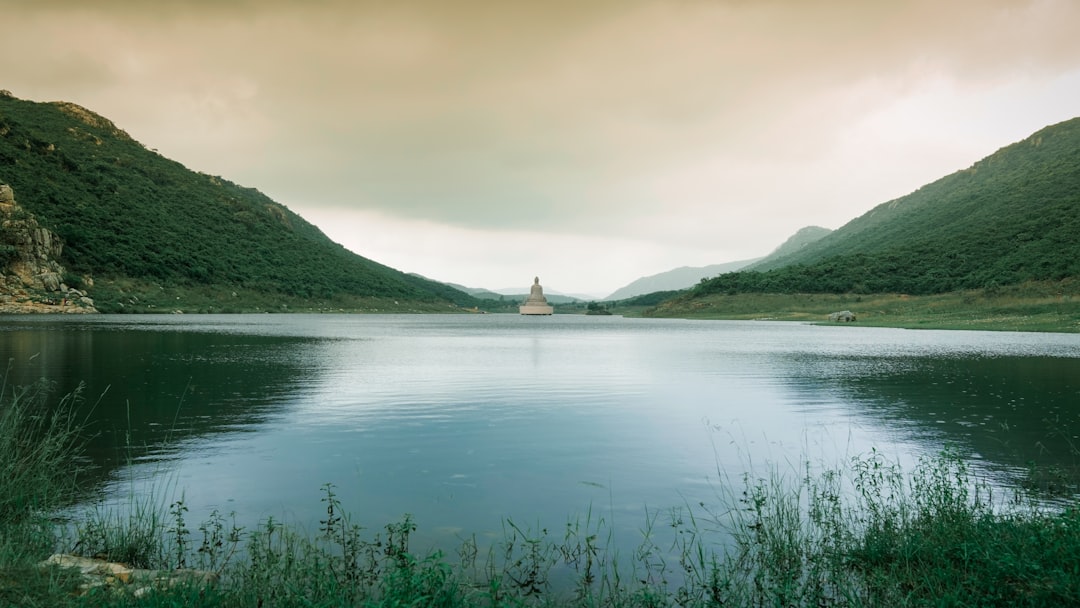
भारत के बौद्ध पर्यटन विकास पर विशेषज्ञ दृष्टिकोण
भारत के बौद्ध सर्किट आध्यात्मिक पर्यटन से कहीं अधिक का प्रतिनिधित्व करते हैं। ओडिशा, बिहार और पूर्वोत्तर के स्थल जीवंत समुदायों को उस विरासत से जोड़ते हैं जिसने अधिकांश एशिया को आकार दिया है। जो यात्री इन मार्गों पर जाते हैं, वे अक्सर बताते हैं कि अनुभव प्रसिद्ध स्थलों की तुलना में अधिक व्यक्तिगत है, ठीक इसलिए क्योंकि बुनियादी ढांचा अभी भी विकसित हो रहा है और स्थल अपना मूल वातावरण बनाए हुए हैं। स्वदेश दर्शन और प्रसाद जैसी योजनाओं के माध्यम से सरकार का निवेश महत्वपूर्ण है, लेकिन वास्तविक मूल्य वह है जो ये स्थल पहले से ही प्रदान करते हैं: गहरा इतिहास, वास्तविक शांति, और स्थानीय गाइड जिनके पास ऐसा ज्ञान है जिसे कोई भी ट्रैवल ऐप प्रतिस्थापित नहीं कर सकता है। पूर्वोत्तर बौद्ध सर्किट, जो अब एक राष्ट्रीय प्राथमिकता है, उन मार्गों को खोलेगा जो कुछ साल पहले तक बाहरी लोगों के लिए अनिवार्य रूप से अज्ञात थे। यह यात्रा करने का सही समय है, इससे पहले कि सामूहिक पर्यटन इन जगहों की बनावट को स्थायी रूप से बदल दे।
उद्योग परिप्रेक्ष्य, भारत में बौद्ध विरासत और तीर्थयात्रा यात्रा पेशेवर
अरुणाचल प्रदेश और पूर्वोत्तर: भारत का सबसे नया बौद्ध सर्किट फ्रंटियर
पूर्वोत्तर भारत में बौद्ध सर्किट एक पर्यटन और विरासत पहल है, जिसकी घोषणा केंद्रीय बजट 2026 में अरुणाचल प्रदेश, सिक्किम, असम, मणिपुर, मिजोरम और त्रिपुरा में बौद्ध मठों, तीर्थ केंद्रों और कनेक्टिविटी विकसित करने के लिए की गई थी। यह इसे इस समय एशिया के सबसे रोमांचक नए यात्रा मार्गों में से एक बनाता है।
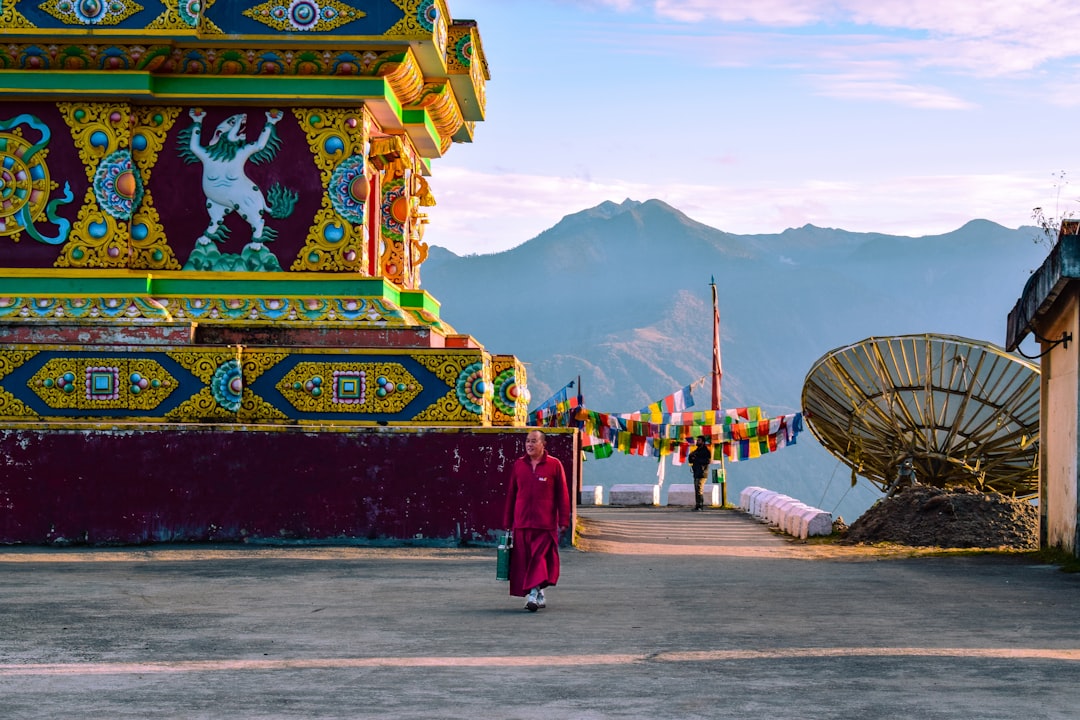
तवांग मठ अरुणाचल प्रदेश का सबसे बड़ा बौद्ध मठ और भारत के सबसे प्रतिष्ठित आध्यात्मिक केंद्रों में से एक है। तवांग जिले में 3,048 मीटर की ऊंचाई पर स्थित, यह 17वीं सदी का गेलुगपा मठ तिब्बती बौद्ध धर्म का एक प्रतीक है। तवांग के लिए सड़क यात्रा सेला दर्रे से होकर गुजरती है और ऐसे दृश्य प्रदान करती है जो लंबे समय तक आपके साथ रहते हैं। अक्टूबर में भी गर्म कपड़े साथ रखें।
यह पहल रणनीतिक रूप से पूर्वोत्तर भारत को दक्षिण और दक्षिण पूर्व एशिया के बीच एक सभ्यतागत सेतु के रूप में पुनः स्थापित करती है, और यह पर्यटन और कनेक्टिविटी के माध्यम से आर्थिक विकास का समर्थन करते हुए भारत की सॉफ्ट पावर कूटनीति को मजबूत करती है। यात्री के लिए, व्यावहारिक लाभ सरल है: सड़कें बेहतर होती हैं, गेस्ट हाउस खुलते हैं, और वे मार्ग जिनके लिए कभी गंभीर योजना की आवश्यकता होती थी, अब अधिकांश आगंतुकों के लिए प्रबंधनीय हो गए हैं।
अपने बौद्ध सर्किट यात्रा की योजना बनाने के लिए व्यावहारिक टिप्स
भारत में अधिकांश बौद्ध सर्किट की यात्रा करने का सबसे अच्छा समय अक्टूबर से मार्च है। अक्टूबर से मार्च उत्तर प्रदेश के कुशीनगर जैसे स्थलों के लिए सबसे अच्छी मौसम की स्थिति प्रदान करता है। अरुणाचल प्रदेश में तवांग के लिए, यही समय लागू होता है, अक्टूबर से मार्च में स्पष्ट हिमालयी दृश्य और मठ उत्सवों तक पहुंच मिलती है।
बिहार और उत्तर प्रदेश के मार्गों के लिए ट्रेनें पहले से बुक करें। एक विशेष बौद्ध सर्किट ट्रेन प्रमुख स्थलों को जोड़ती है, और कुल 88 जोड़ी ट्रेनें गया को नई दिल्ली, कोलकाता, चेन्नई और वाराणसी से जोड़ती हैं। ओडिशा के लिए, भुवनेश्वर के लिए उड़ान भरें और 3 दिनों के लिए एक ड्राइवर किराए पर लें। अरुणाचल प्रदेश के लिए, आपको इनर लाइन परमिट की आवश्यकता है। अपनी यात्रा से कम से कम 2 सप्ताह पहले इसके लिए ऑनलाइन आवेदन करें।
ग्रामीण क्षेत्रों में नकदी साथ रखें। अधिकांश स्थलों पर प्रवेश शुल्क कम हैं: नालंदा खंडहर में प्रवेश शुल्क 50 रुपये है। कई छोटे स्थल कुछ भी शुल्क नहीं लेते हैं। कई स्थानों पर मठों में बजट आवास उपलब्ध हैं, जो अनुभव में इजाफा करते हैं और स्थानीय समुदायों का सीधे समर्थन करते हैं।

निष्कर्ष: स्पष्ट से परे भारत के बौद्ध सर्किट का अनुसरण करें
इन बौद्ध सर्किटों की खोज करने से यात्रियों को व्यस्त पर्यटन पथों से दूर अछूती सुंदरता और आध्यात्मिक प्रथाओं का अनुभव करने का अवसर मिलता है। इन कम ज्ञात स्थलों पर अक्सर भीड़ कम होती है, जो शांत चिंतन के लिए एक अंतरंग माहौल प्रदान करती है। भारत के बौद्ध सर्किट ओडिशा के प्राचीन डायमंड ट्रायंगल, बिहार के भावुक तीर्थ स्थलों, और पूर्वोत्तर की मठों से भरी घाटियों को एक ही गंतव्य से कहीं अधिक बड़ी किसी चीज़ में जोड़ते हैं। एक सर्किट से शुरू करें, फिर दूसरे के लिए लौटें। प्रत्येक मार्ग आपको बुद्ध की दुनिया और भारत के बारे में कुछ अलग सिखाता है। सोफी रेनार्ड ओडिशा से शुरू करने की सलाह देती हैं: यह करीब है, सुलभ है, और लगभग पूरी तरह आपकी है। भारत के बौद्ध सर्किट की यात्रा की योजना बनाएं और इस देश की उस परत को खोजें जिसे अधिकांश यात्री कभी नहीं पहुंचते।
बौद्ध सर्किट के बारे में अधिक जानें
- बौद्ध पर्यटन सर्किट, पर्यटन मंत्रालय, भारत सरकार
- Northeast India में बौद्ध सर्किट, Travel and Tour World विश्लेषण (2026)
- ओडिशा बौद्ध विरासत पर्यटन: Jirang Monastery Partnership, Travel and Tour World (2026)