
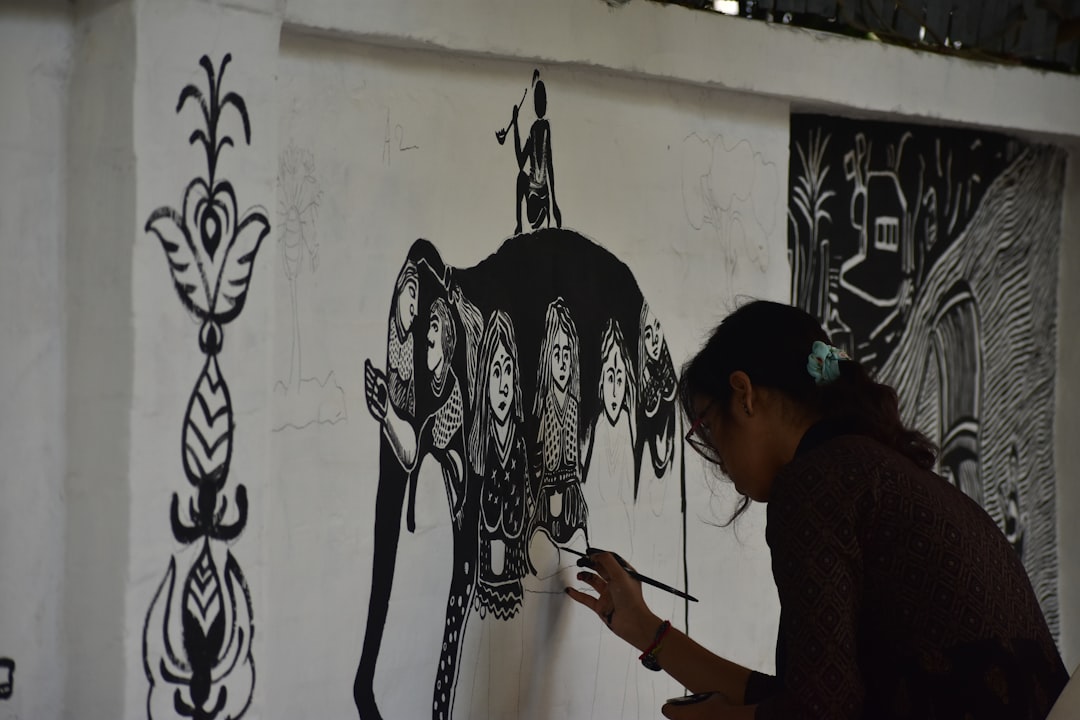
Warli कला पहली बार देखने वाले अधिकांश आगंतुकों को रोक देती है: लाल-भूरे रंग की दीवार पर घेरे में नाचती सफेद छड़ी जैसी आकृतियाँ, जो गुफा चित्रों और कभी न खत्म होने वाली कहानी के बीच कहीं स्थित हैं।
Warli समुदाय ने महाराष्ट्र और गुजरात, Dadra and Nagar Haveli, तथा Daman and Diu के कुछ हिस्सों में एक मनोरम विरासत छोड़ी है। एक बाहरी व्यक्ति के लिए, यह कला सरल लगती है। फिर आप करीब से देखते हैं। हर बिंदु, हर त्रिभुज, नर्तकियों का हर घूमता हुआ घेरा अर्थ लिए हुए है। Warli कला सजावट से कहीं अधिक है। यह जीवन और विश्वासों का दृश्य वर्णन है, और प्रत्येक पैटर्न एक कहानी कहता है, फसल चक्र से लेकर आदिवासी अनुष्ठानों तक। यह मार्गदर्शिका आपको शुरुआत करने के लिए व्यावहारिक उपकरण प्रदान करती है।
Warli कला वास्तव में क्या है
Warli पेंटिंग एक आदिवासी कला है जिसे मुख्य रूप से महाराष्ट्र, भारत में North Sahyadri Range के Warli लोगों द्वारा बनाया जाता है। ऐसा लगता है कि यह समृद्ध कलात्मक विरासत लगभग 10,000 ईसा पूर्व शुरू हुई थी, और हस्ताक्षर भित्ति शैली की गूँज Bhimbetka Rock Shelters में पाई जा सकती है। वह लंबा इतिहास कला को जटिल नहीं बनाता है। बिल्कुल इसके विपरीत।
अन्य भारतीय लोक कला रूपों के विपरीत, जो चमकीले रंगों और धार्मिक देवताओं का उपयोग करते हैं, Warli अलग है। यह मोनोक्रोमैटिक (आमतौर पर लाल या भूरे रंग पर सफेद) है और सामाजिक जीवन पर केंद्रित है। पौराणिक कथाओं या शाही विषयों पर ध्यान केंद्रित करने के बजाय, Warli कला आदिवासी समुदायों के दैनिक जीवन का जश्न मनाती है। दृश्यों में अक्सर खेती की गतिविधियाँ, वन परिदृश्य, जानवर, त्योहार और नृत्य करती आकृतियाँ शामिल होती हैं। इन दृश्यों के माध्यम से, कलाकार ग्रामीण जीवन की लय और मनुष्यों तथा प्रकृति के बीच के संबंध को संप्रेषित करते हैं।
2014 में, Warli पेंटिंग Geographical Indications (GI) बन गईं, जिन्हें Warli समुदाय की बौद्धिक विरासत के रूप में मान्यता मिली। जब आप यह कला सीखते हैं, तो आप एक जीवित परंपरा में प्रवेश करते हैं।
ज्यामितीय भाषा: आकृतियाँ और रूपांकन
Warli पेंटिंग की विशिष्टता इसकी तकनीकों में निहित है, जो सीधी लेकिन गहराई से प्रतीकात्मक हैं। कलाकार प्रकृति के तत्वों और मानवीय गतिविधियों का प्रतिनिधित्व करने के लिए वृत्त, त्रिभुज और वर्ग जैसी बुनियादी ज्यामितीय आकृतियों का उपयोग करते हैं। प्रत्येक आकृति का क्या अर्थ है, यह सीखकर शुरुआत करें।
वृत्त सूर्य और चंद्रमा जैसे खगोलीय पिंडों को दर्शाते हैं। त्रिभुज पहाड़ों और पेड़ों का प्रतिनिधित्व करते हैं, जो नुकीले शिखरों और शंक्वाकार आकृतियों से प्रेरित हैं। वर्ग पवित्र बाड़ों या भूमि के टुकड़ों को इंगित करते हैं। लोगों और जानवरों का प्रतिनिधित्व उनके सिरों पर जुड़े 2 उल्टे त्रिभुजों द्वारा किया जाता है। ऊपरी त्रिभुज धड़ को और निचला त्रिभुज श्रोणि को दर्शाता है, और उनका अनिश्चित संतुलन ब्रह्मांड के संतुलन का प्रतीक है।

Warli कला में रूपांकन सजावटी तत्वों से कहीं अधिक हैं। वे कहानियाँ सुनाते हैं और प्रकृति, अनुष्ठानों तथा सामुदायिक मूल्यों से संबंधित संदेश देते हैं। यदि आप कई Warli पेंटिंग को करीब से देखें, तो आप लोगों का एक सर्पिल या घेरा देखेंगे जो एक-दूसरे का हाथ पकड़े हुए हैं। यह Tarpa नृत्य का प्रतिनिधित्व करता है। किसी भी पूर्ण रचना का प्रयास करने से पहले इन आकृतियों का अभ्यास करें।
शुरुआत करने वालों के लिए उपकरण और सामग्री
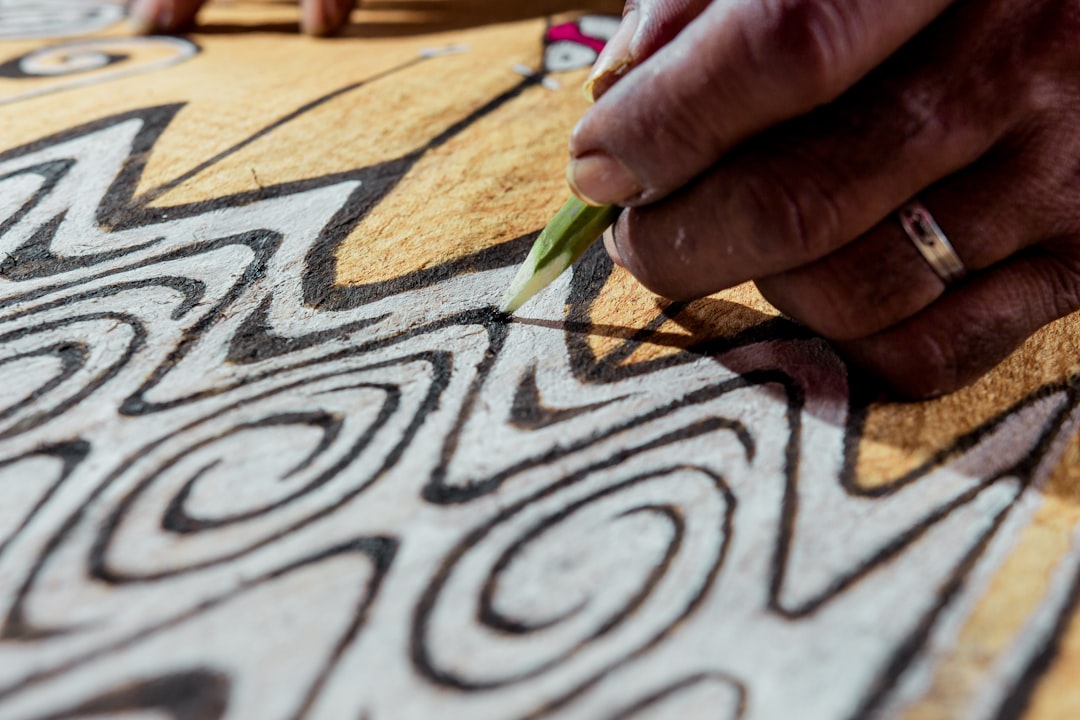
जबकि पारंपरिक Warli कलाकार चावल के पेस्ट और बांस की छड़ियों जैसी प्राकृतिक सामग्रियों का उपयोग करते थे, आधुनिक शुरुआती लोगों को अधिक लचीलापन प्राप्त होता है। पारंपरिक विधि में सभी प्राकृतिक उत्पादों का उपयोग किया जाता था। पहले चरण में, एक चिकना कैनवास बनाने के लिए दीवार को Geru नामक मिट्टी के मिश्रण से लेपित किया जाता है। अगला, गोबर और पानी के मिश्रण को फैलाकर एक सादा आधार बनाया जाता है। इन पेंटिंग के लिए विशिष्ट सफेद रंग चावल के पाउडर के पेस्ट के माध्यम से बनाया जाता है। अंत में, पेंटिंग अंत में कुचली हुई बांस की छड़ियों के ब्रश का उपयोग करके बनाई जाती हैं।
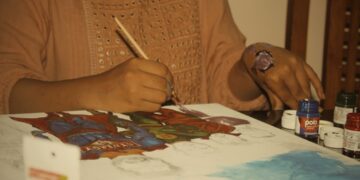
आज, आपको शुरुआत करने के लिए इसकी आवश्यकता नहीं है। Warli कला के शिक्षार्थियों के बीच लोकप्रिय होने का एक कारण यह है कि इसमें बहुत कम सामग्री की आवश्यकता होती है। शुरुआत करने के लिए, आपको ड्राइंग पेपर या कैनवास, सफेद ऐक्रेलिक या पोस्टर पेंट, एक महीन ब्रश या बांस की छड़ी, हल्के स्केचिंग के लिए एक पेंसिल, और भूरे, लाल या काले रंग का गहरा आधार चाहिए।
अपनी टूलकिट को सरल और लागत प्रभावी रखें। Warli का जादू कल्पना और पुनरावृत्ति में निहित है, न कि महंगे कला के सामान में। एक क्राफ्ट पेपर बैग या भूरे कागज की एक शीट की कीमत लगभग कुछ भी नहीं है। वहां से शुरू करें।

आज Warli कला पर विशेषज्ञ परिप्रेक्ष्य
Warli कला सामाजिक परिवर्तन का एक जीवित दस्तावेज है। समकालीन Warli कलाकारों ने अपने काम में प्रौद्योगिकी, पर्यावरणीय चिंताओं, शिक्षा और सामाजिक मुद्दों सहित आधुनिक तत्वों को शामिल करना शुरू कर दिया है, जबकि मुख्य ज्यामितीय शैली और कहानी कहने का दृष्टिकोण बरकरार है। कई परिवर्तनों के बावजूद, कला अभी भी अपना मूल चरित्र बनाए रखती है: ज्यामितीय आकृतियाँ, सरल रचनाएँ और एक मजबूत कथा गुणवत्ता। परंपरा और परिवर्तन के बीच का यह संतुलन ठीक वही है जो Warli समुदाय की सांस्कृतिक पहचान को संरक्षित करने में मदद करता है। जब शुरुआती लोग इस रूप के प्रति ईमानदारी से, इसकी उत्पत्ति के प्रति सम्मान और इसके प्रतीकवाद की समझ के साथ आते हैं, तो वे मनुष्यों और उनके पर्यावरण के बीच एक बहुत लंबी बातचीत में योगदान देते हैं। यह परंपरा केवल महाराष्ट्र की नहीं है। यह किसी भी ऐसे व्यक्ति की है जो यह सुनने को तैयार है कि आकृतियाँ क्या कहती हैं।
उद्योग परिप्रेक्ष्य, भारत में लोक कला और आदिवासी सांस्कृतिक विरासत के अभ्यासकर्ता
चरण-दर-चरण: आपका पहला Warli कला प्रोजेक्ट
अपने कैनवास को तैयार करके शुरुआत करें। आप एक देहाती पृष्ठभूमि बनाने के लिए भूरे या क्राफ्ट पेपर का उपयोग कर सकते हैं। पेंसिल का उपयोग करके, हल्के से उन प्राथमिक आकृतियों और छड़ी जैसी आकृतियों को स्केच करें जो आपके दृश्य का निर्माण करती हैं। ज्यामितीय आकृतियों का उपयोग करके जानवरों, पेड़ों या उपकरणों जैसे छोटे तत्व जोड़ें। पेंसिल के निशानों को फिर से ट्रेस करने के लिए सफेद पेंट या सफेद जेल पेन का उपयोग करें, क्योंकि यह कंट्रास्ट कला के आकर्षण की कुंजी है। बिंदुओं, रेखाओं और संकेंद्रित वृत्तों जैसे दोहराव वाले पैटर्न के साथ पृष्ठभूमि या पात्रों को बढ़ाएं। यदि पेंट का उपयोग कर रहे हैं, तो अपने टुकड़े को संभालने या प्रदर्शित करने से पहले इसे पूरी तरह सूखने दें।
एक नर्तक, एक पेड़ या एक ग्रामीण घर जैसे छोटे दृश्यों से शुरुआत करें। कई तत्वों को शामिल करने के लिए अपनी रचनाओं का धीरे-धीरे विस्तार करें। कई शुरुआती लोग त्योहार के दृश्यों या खेती की गतिविधियों से शुरुआत करते हैं, क्योंकि ये Warli पेंटिंग की पारंपरिक कहानी कहने के केंद्र में हैं।
आप एक चरणबद्ध दृष्टिकोण का उपयोग कर सकते हैं: आकृतियों और वस्तुओं को रेखांकित करने वाले हल्के पेंसिल स्केच के साथ शुरू करें, फिर सफेद पेंट या स्याही से डिजाइन को ट्रेस करें, और बनावट जोड़ने के लिए बिंदुओं और रेखाओं जैसे छोटे विवरण भरें। बुनियादी रूपांकनों के साथ तीन ठोस अभ्यास सत्र आपको एक पूर्ण दृश्य के लिए तैयार करेंगे।
Warli कला का भविष्य
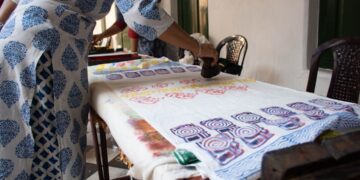
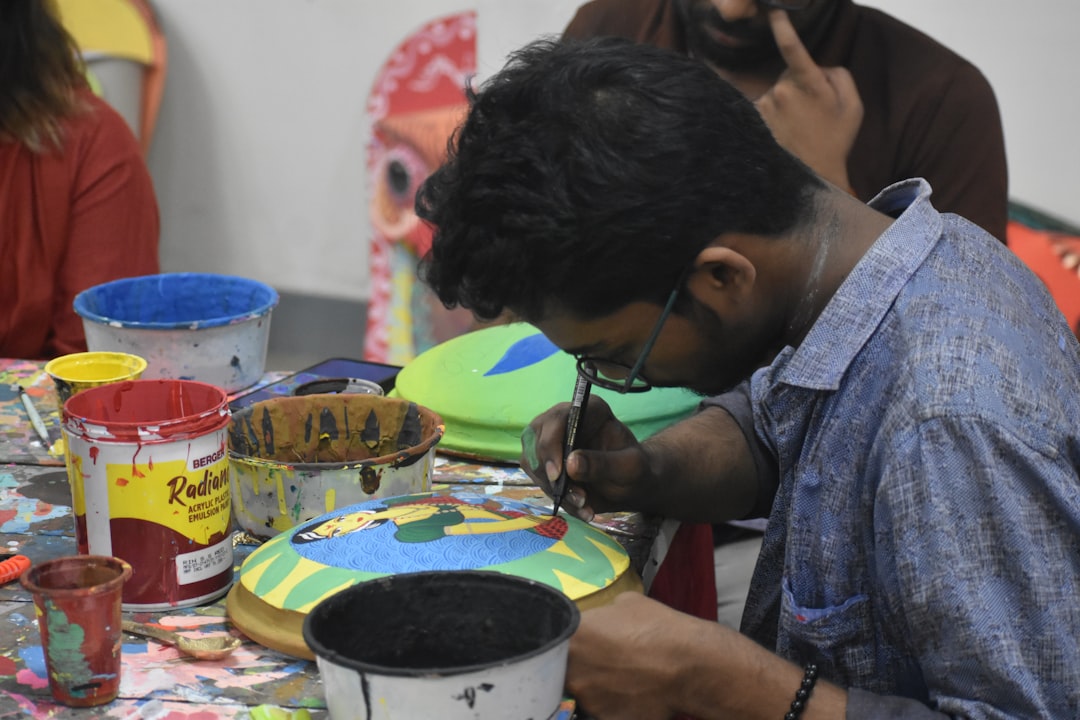
पारंपरिक रूप से, Warli कला को चावल के पेस्ट का उपयोग करके मिट्टी की दीवारों पर पेंट किया जाता था। आज, कलाकार कागज, कैनवास, कपड़े और सिंथेटिक रंगों का उपयोग करते हैं। यह बदलाव व्यावसायीकरण और व्यापक दर्शकों के अनुकूलन को इंगित करता है। आज, Warli पेंटिंग का अभ्यास कागज, किताबों के कवर, स्टेशनरी, प्रिंटिंग ब्लॉक, फर्नीचर, दर्पण, लकड़ी के फ्रेम और यहां तक कि कपड़े और कैनवास आधारित सामग्रियों जैसी विभिन्न सामग्रियों पर किया जाता है।
Amravati, Maharashtra का एक Warli कलाकार खेती, कटाई, नृत्य और सामुदायिक समारोहों के दृश्यों को चित्रित करने के लिए सरल ज्यामितीय रूपों और लयबद्ध पैटर्न का उपयोग करता है। वही सटीक दृष्टिकोण आपके पहले सत्र से ही आपके लिए उपलब्ध है। कई परिवर्तनों के बावजूद, Warli कला अभी भी अपनी मूल शैली बनाए रखती है: ज्यामितीय आकृतियाँ, सरल रचनाएँ और एक कहानी कहने का दृष्टिकोण। परंपरा और परिवर्तन के बीच का यह संतुलन Warli समुदाय की सांस्कृतिक पहचान को संरक्षित करने में मदद करता है।

आज ही अपना Warli कला अभ्यास शुरू करें
Warli कला उन दुर्लभ रचनात्मक परंपराओं में से एक है जो उपकरणों के मामले में आपसे बहुत कम मांगती है लेकिन बदले में बहुत कुछ देती है। 3 आकृतियों और भूरे कागज के एक टुकड़े के साथ, आप हजारों वर्षों की मानवीय अभिव्यक्ति से जुड़ सकते हैं। Warli कला भारत की समृद्ध लोक कला परंपराओं का एक अद्भुत परिचय प्रदान करती है। केवल कुछ ज्यामितीय आकृतियों और सरल उपकरणों के साथ, कोई भी ग्रामीण जीवन और प्रकृति से प्रेरित सार्थक दृश्य बनाना शुरू कर सकता है। 1 नाचती आकृति के साथ शुरुआत करें। फिर एक पेड़ जोड़ें। फिर आग के चारों ओर पड़ोसियों का एक घेरा। हर Warli कलाकार ने इसी तरह शुरुआत की थी। आपका Warli कला अभ्यास उस क्षण से शुरू होता है जब आपका ब्रश पृष्ठ को छूता है, इसलिए आज ही उस ब्रश को उठाएं।
Warli कला के बारे में और जानें
- महाराष्ट्र में वर्ली पेंटिंग, अविश्वसनीय भारत (भारत सरकार)
- वर्ली कला को पुनर्जीवित करना: UNDP India रिपोर्ट
- वर्ली में सामाजिक और ऐतिहासिक परिवर्तन का प्रतिनिधित्व, IJCRT मई 2026