


Demographic dividend is not just an economist’s term. On World Population Day this year, it is the most personal conversation young India can have.
What “demographic dividend” actually means for you
Economists define the demographic dividend as a boost in economic growth that a country with a large share of its population in the working age can expect, provided the right policies are in place. In plain language, it means that when a nation has more people earning than depending, it creates the conditions for rapid growth.

The United Nations Population Division estimates India’s median age at roughly 29 years, meaning half of India’s 1.45 billion citizens are younger than 29. Compare that with 40 in the United States, 48 in Japan, and 39 in China, and the scale of India’s youth advantage becomes clear.
The demographic dividend refers to the economic growth potential that arises when a large proportion of a country’s population is of working age, earning, saving, consuming, and contributing to productivity. India is currently in the heart of this window, with approximately 68% of its population between the ages of 15 and 64.
Why the window is open now, but not forever
India’s demographic dividend phase is expected to last until 2055, peaking around 2041 when the working-age share may exceed 65%. That sounds reassuring. However, the window is not unlimited.
The working-age population is approaching its peak. The share of Indians who are of working age will peak in the next 3 to 4 years according to UN population projections, after which it will begin to decline. This makes the decisions that your generation makes today far more consequential than any previous generation has faced.
Countries that harnessed similar demographic windows, including South Korea, China, and Vietnam, became manufacturing and innovation powerhouses in a single generation. But countries such as Brazil and South Africa failed to convert their demographic promise into progress because they did not invest adequately in education, skills, and job creation. India today stands somewhere between these two extremes, with immense potential but uneven preparedness.

The 2026 world population day theme speaks directly to Indian youth
The theme for World Population Day this year is “Realizing the hopes and aspirations of young people, today and for the future.” The theme reflects a new report on the findings of the UNFPA Demographic Futures Survey, which asked more than 100,000 internet-connected people aged 18 to 39 in 73 countries about their partnership, reproductive, and life aspirations.
Around the world, demographic change is prompting urgent debate about fertility, family life, and the future. The Lives, Choices and Futures report brings together one of the most geographically diverse bodies of evidence on how young adults’ hopes and decisions about relationships, parenthood, and the future take place in an uncertain world.
For young Indians, this global conversation has a very specific local flavour. Our generation carries the weight of family expectation, the energy of entrepreneurship, and the pull of both ancient values and global ambition. All 3 can coexist. In fact, they must.
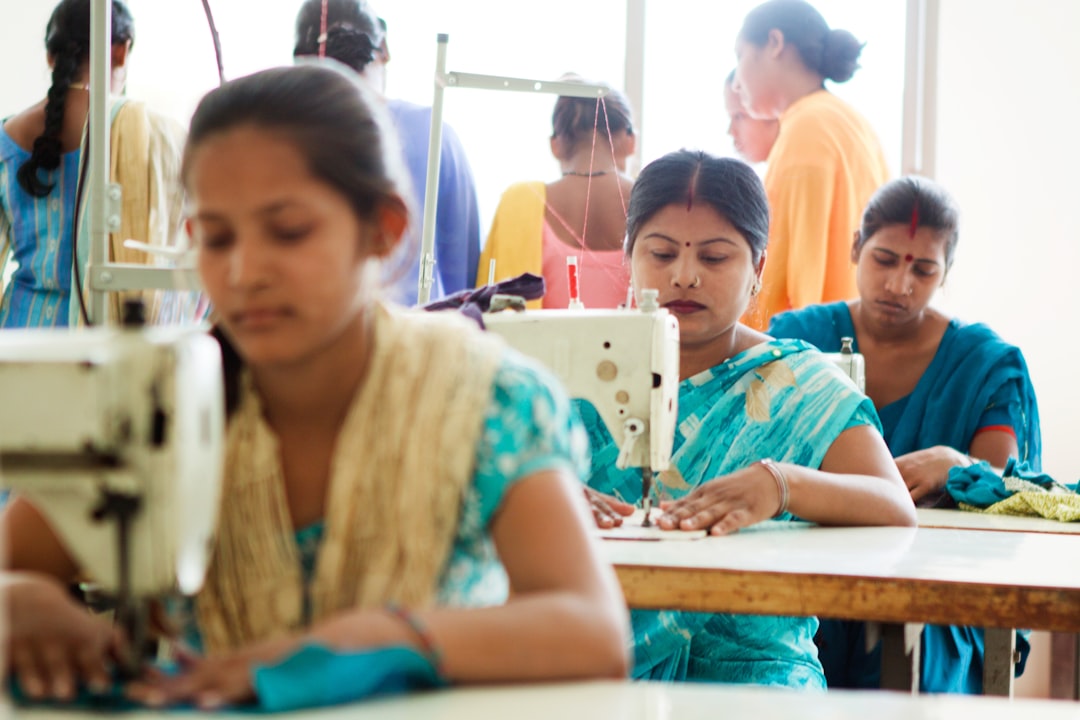
Expert perspective on India’s demographic opportunity
India’s demographic advantage is real, but it is fundamentally a test of governance rather than a guarantee of destiny. The logic is straightforward: a smaller share of dependents relative to the working-age population enables greater investment per child in healthcare, nutrition, education, and skills. Better-equipped workers are more productive, and that boosts per capita income. In addition, women are more likely to enter the labour force when families are smaller, which raises household incomes and overall growth. But this dividend accrues only when the extra labour force is educated, healthy, and productively employed. The challenge for India is not numbers. It is converting those numbers into human capital, and human capital into meaningful, dignified work. That conversion is a governance task, not an automatic reward.
Industry perspective, population and governance research professionals in India






Skilling, well-being, and the real work ahead
India is home to 367 million young people, the largest youth population in the world, yet the nation is still working to translate this demographic advantage into an economic one. According to the State of Working India 2026 report, the country is nearing the peak of its demographic dividend, but the window to reap its benefits is narrowing as unemployment among graduates remains high and job creation lags.
The Skill India Mission and Pradhan Mantri Kaushal Vikas Yojana have been instrumental in providing vocational training to millions of youth. These initiatives focus on foundational and advanced skills, from IT services and AI to renewable energy and healthcare management. Still, much more is needed, particularly in smaller cities and rural areas.
The India Skills Report 2026 shows India’s employability rate rising to 56.35%, signalling a rapid improvement in how job-ready the youth are. Progress is real. However, this progress must reach every state, every income level, and every gender equally. Well-being is not separate from economic opportunity. Mental health, physical health, and a sense of purpose all determine whether young Indians can contribute fully to this national moment.

The cultural strength you already carry
Here is what no data point can fully capture. Indian youth carry a cultural inheritance that is itself a form of wealth. The discipline of yoga, the community logic of joint families, the ancient habit of jugaad (creative problem-solving), the spirit of seva (service): these are not obstacles to modernity. They are advantages within it.
About 24.3% of the incremental global workforce over the next decade will come from India. This is significant considering the rapidly ageing population in the developed world, which is creating challenges to labour supply in various sectors of the global economy. The world needs what India has. The question is how well India prepares its young people to deliver it.
The rise of the gig economy and digital platforms has created flexible employment opportunities, particularly for youth. Remote work models and hybrid job structures are integrating India’s talent pool into the global workforce. A young woman from Jaipur can now design for a firm in Berlin. A developer from Bhopal can build for a startup in Singapore. The demographic dividend is already crossing borders.

Your generation holds the answer
The demographic dividend is India’s greatest modern opportunity, and it belongs to your generation. The UN Population Division estimates that India’s demographic dividend will peak around 2036 to 2041 and effectively close by 2055. After that, the share of population above 60 will rise sharply, requiring substantial investment in pensions, healthcare, and elder care.
So the time is now. Invest in your own skilling. Prioritise your well-being. Lift those around you. The demographic dividend is not a gift that arrives automatically. It is a promise that your generation must choose to keep. India’s ancient wisdom and modern ambition point in exactly the same direction: forward, together, with purpose.
Share this article with a young Indian who needs to hear it today.
Discover more about demographic dividend
- World Population Day 2026: Realizing the Hopes and Aspirations of Young People
- India’s Demographic Dividend Is a Test of Governance, Carnegie Endowment for International Peace
- From Demographic Dividend to Skill Dividend: India’s Inclusive Growth Imperative