

Why Does Culinary Tourism Thrive in India?
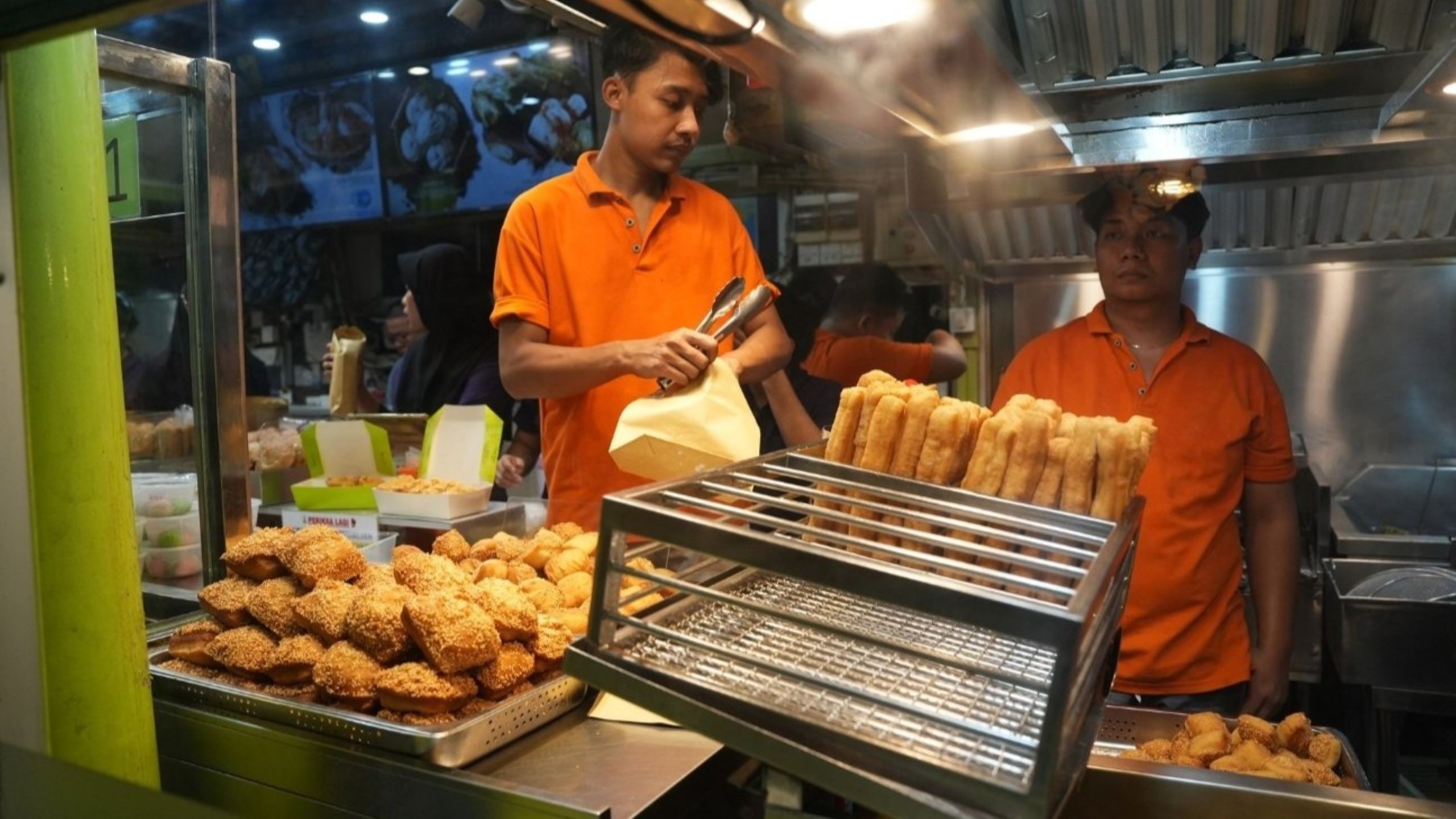
India’s culinary tourism success stems from extraordinary regional diversity across 28 states. Furthermore, each region offers unique flavors, ingredients, and cooking techniques spanning millennia. This variety ensures travelers discover new tastes throughout their journeys continuously.
Additionally, social media amplifies culinary tourism by showcasing India’s vibrant food scenes. For instance, Instagram reels featuring Mumbai street food attract millions of views. This digital exposure converts viewers into visitors seeking authentic culinary experiences.
Meanwhile, government initiatives like Dekho Apna Desh promote culinary tourism alongside heritage sites. Specifically, food festivals and culinary trails receive official support and marketing budgets. These programs position Indian cuisine as cultural ambassadors attracting international travelers.
What Drives Culinary Tourism Economic Growth?
International travelers increasingly prioritize culinary tourism experiences when visiting India currently. Moreover, food tourism spending averages 30-35% of total travel budgets for visitors. This allocation creates billions in revenue for restaurants, markets, and cooking classes.
Additionally, domestic culinary tourism grows as Indians explore regional cuisines beyond homelands. For example, Bengalis visit Kerala for seafood while Punjabis explore Tamil Nadu. This internal travel generates year-round revenue supporting local food businesses consistently.
Premium culinary tourism experiences command high prices attracting affluent travelers seeking exclusivity. Specifically, private chef experiences, farm-to-table dinners, and heritage meals charge ₹5,000-25,000. These premium offerings elevate India’s culinary tourism market positioning substantially over time.

How Does Restaurant Scene Support Culinary Tourism?
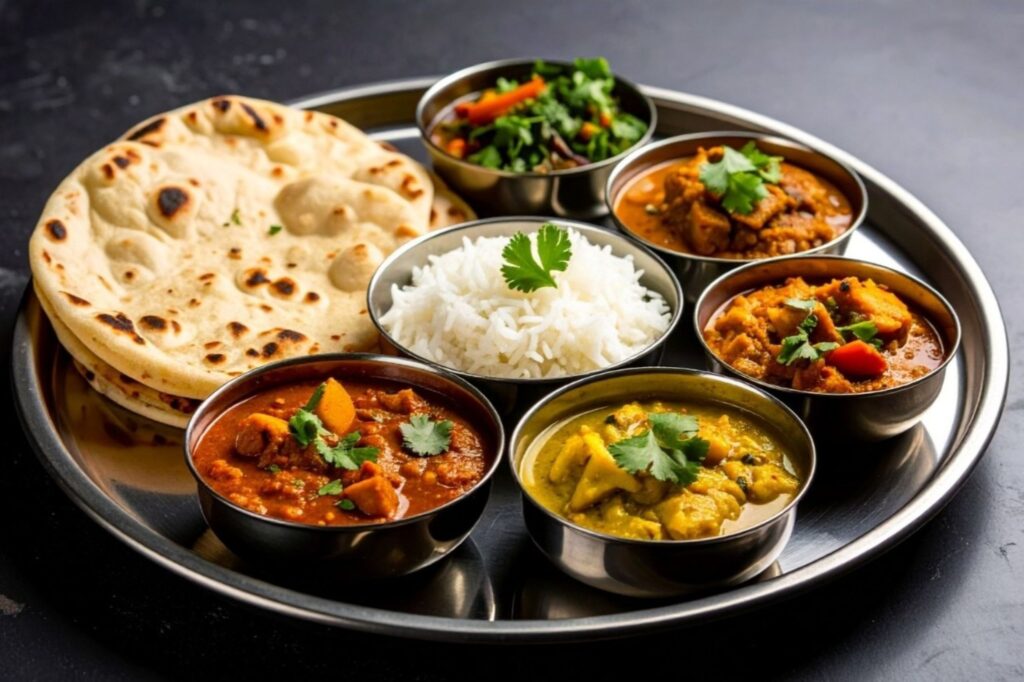
India’s restaurant scene evolves rapidly catering to sophisticated culinary tourism demands nationwide. Furthermore, fine dining establishments now rival global standards while celebrating regional ingredients. This quality elevation attracts international food critics and Michelin guide attention.
Additionally, regional specialty restaurants preserve authentic culinary tourism experiences amid modernization pressures. For instance, century-old eateries in Old Delhi maintain traditional recipes attracting tourists. These establishments become cultural landmarks generating steady revenue through heritage appeal.






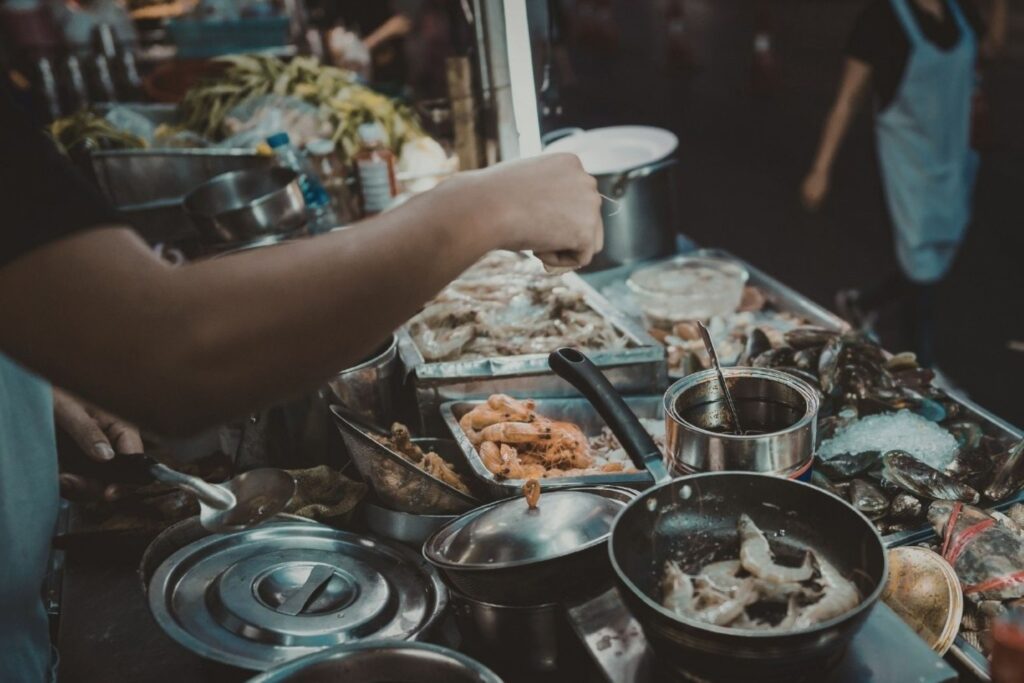
Street food vendors represent essential culinary tourism infrastructure providing affordable authentic experiences. Indeed, cities like Mumbai, Kolkata, and Jaipur organize guided food walks. These tours generate income for vendors while educating tourists about culture.


Onam festival: Kerala’s harvest goes global
Onam festival is no longer just Kerala's harvest celebration. It is a 10-day global ritual of homecoming, plant-based eating, mindful...

Kerala retreats for Ayurvedic reset
Kerala retreats during Onam season offer something rare: the chance to celebrate one of India's most beloved festivals while undergoing...

Zero-chemical cleaning kit for Indian homes
A zero-chemical cleaning kit does not require a specialty store or a large budget. India's own kitchen shelves hold 5...

Carnatic music: a complete beginner’s guide
Carnatic music is one of South India's most profound classical traditions, built around ragas, rhythm, and centuries of devotional composition....
How Do Regions and Innovations Shape Culinary Tourism?
Delhi’s street food scene drives massive culinary tourism with Old Delhi food walks. Furthermore, Paranthe Wali Gali and Chandni Chowk attract thousands of food tourists. These historic areas generate crores through authentic affordable culinary experiences.
Kerala’s farm-to-table culinary tourism experiences blend nature with traditional Malayali cuisine. Additionally, backwater houseboat dining packages integrate food into broader tourism offerings. This integration maximizes revenue while showcasing regional agricultural diversity effectively.
However, food safety concerns challenge culinary tourism growth requiring improved standards consistently. Moreover, language barriers and payment infrastructure gaps affect tourist experiences occasionally. Addressing these issues through training and technology proves essential for sustained growth.











A masterly and deeply immersive analysis of the ‘Experience Economy’ through the lens of Indian gastronomy in 2026. This article perfectly captures the strategic pivot where food is no longer just a commodity, but a sophisticated macroeconomic pillar that drives international tourism and regional development.
It is particularly insightful to see the emphasis on ‘Hyper-localism’ and the formalization of the street food ecosystem. By integrating digital storytelling and blockchain-backed ‘Farm-to-Fork’ transparency, India is setting a global benchmark for ethical and experiential culinary tourism. Your breakdown of the ‘Spices as Soft Power’ strategy—where regional flavors are packaged as high-value cultural exports—demonstrates a profound understanding of how the 2026 consumer values authenticity above all else.
Furthermore, the synergy between the hospitality sector and rural agritourism, as highlighted in this piece, proves that the future of Indian food economics lies in its ability to bridge the gap between ancestral tradition and futuristic tech-led delivery. Thank you for this rigorous and visionary synthesis. This is a must-read for global investors, food-tech innovators, and travelers looking to understand the true flavor of India’s resilient growth. A brilliant contribution to the discourse on cultural economics!
A masterly and deeply immersive analysis of the ‘Experience Economy’ through the lens of Indian gastronomy in 2026. This article perfectly captures the strategic pivot where food is no longer just a commodity, but a sophisticated macroeconomic pillar that drives international tourism and regional development.
It is particularly insightful to see the emphasis on ‘Hyper-localism’ and the formalization of the street food ecosystem. By integrating digital storytelling and blockchain-backed ‘Farm-to-Fork’ transparency, India is setting a global benchmark for ethical and experiential culinary tourism. Your breakdown of the ‘Spices as Soft Power’ strategy—where regional flavors are packaged as high-value cultural exports—demonstrates a profound understanding of how the 2026 consumer values authenticity above all else.
Furthermore, the synergy between the hospitality sector and rural agritourism, as highlighted in this piece, proves that the future of Indian food economics lies in its ability to bridge the gap between ancestral tradition and futuristic tech-led delivery. Thank you for this rigorous and visionary synthesis. This is a must-read for global investors, food-tech innovators, and travelers looking to understand the true flavor of India’s resilient growth.
The 2026 trajectory for India’s culinary tourism highlights a masterclass in leveraging the ‘Experience Economy.’ It’s impressive to see how the industry has moved beyond generic food tours into structured ‘Phygital’ models and heritage storytelling. The shift toward high-value, sustainable gastronomy—supported by initiatives like ‘One District, One Cuisine’—is clearly turning regional biodiversity into a powerful economic engine. This evolution proves that for the modern traveler, authenticity is the new luxury. A very compelling analysis of food as a core pillar of macroeconomic growth
The shift from sightseeing to food-led travel is so real, last year my partner and I literally planned an entire two-week trip around Malabar cuisine and ended up skipping half the temples we had on the list. What I appreciate about this piece is that it doesn’t romanticize street food while ignoring the hygiene reality, that balance is rare. The point about homestays being where real culinary exchange happens is spot on. We learned more in one afternoon with a family in Kochi than at any cooking class.
GI-tagged product promotion is the single most underrated lever in this whole strategy.